






 Portuguese
  Spanish


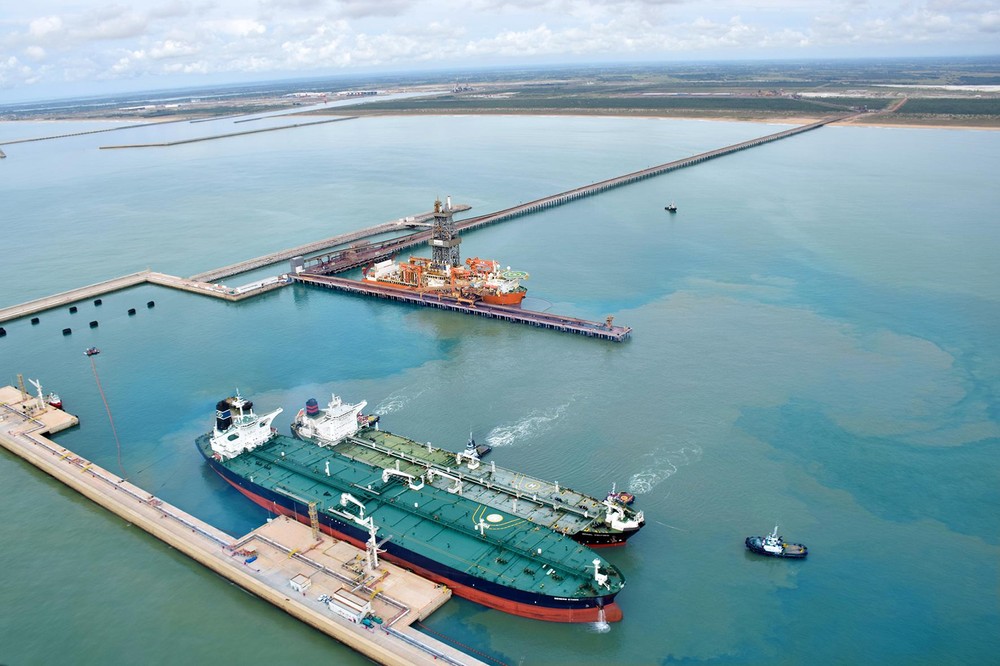

The Açu Port, Located in São João da Barra, in the State of Rio de Janeiro, Negotiates the Installation of Hydrogen Plants
The use of green hydrogen as an energy source is estimated to attract investments of up to US$ 500 billion by 2030, and the development of this technology will bring a range of opportunities for Brazil, especially for the state of Rio de Janeiro. The Açu Port, in São João da Barra, may host some green hydrogen plants in the future. See also: Açu Port – Açu Petróleo Signs Contract with Petrobras to Export 240 Million Barrels of Oil in Two Years
- Oil and Gas Receive Artificial Intelligence in Production Wells
- To Expand Production Capacity, Gerdau Will Invest US$ 500 Million in a Plant in the State of Minas Gerais
- Fuel of the Future: Brazil Aims to Achieve 30% Renewable Fuels by 2030
- Oil and Gas Sector in Espírito Santo Could Generate More Than 1,000 Jobs with Decommissioning and Exploration Projects
- Port of Suape Will Use Solar Energy Generated in Pernambuco and Become One of the First Brazilian Ports to Operate with Renewable Energy
The Use and Installation of Green Hydrogen Projects at the Açu Port
In the country, green hydrogen projects amount to US$ 22 billion. The Açu Port is betting on this production, utilizing water and wind and solar plants that are expected to be installed in the area. Filipe Segantine, Sustainable Business Development Manager at Açu Port, says, “It opens a range of low-carbon production options, also using ammonia, which has greater hydrogen transport potential. We are participating in the development of technology and the market.”
Giorgio Luigi Rossi, coordinator of Firjan Internacional and one of the mediators of the series “Hydrogen Routes: Energy of the Future and Opportunities for Rio,” states that it is a unique opportunity to discuss this extremely relevant topic for the industry and its international competitiveness. The European Union and the U.S. have ambitious carbon emission reduction targets by 2050 and will rely on hydrogen, analyzed the executive.
-
France Revamps 530 Social Housing Units with Large Balconies and Glass Facades Without Demolishing Existing Buildings

-
10-Year-Old Max Makes History with Paris Fashion Show, Launches Own Brand, Hires Staff, and Sets World Record as Youngest Runway Designer

-
Bolivian Female Construction Workers Form Association to Combat Discrimination and 38% Pay Gap in the Industry
-
Near Amsterdam, residents buy land and discover they must also build streets, manage drainage, handle waste, and grow food on half their plot.




Sectors That Attract Green Hydrogen Production
The opportunity to expand and integrate the production of this fuel with solar energy, offshore wind, and the Oil and Gas market, mainly through the use of old platforms, such as in the Campos Basin. In the case of Green Hydrogen, its production can also be an outlet for biogas generated in sugarcane plants, enhancing the sugar-alcohol industry in the region. Açu Port has already signed several memorandums for the installation of green hydrogen plants.
Check Out This News: Construction of a Green Hydrogen Plant at Açu Port in Rio de Janeiro Being Analyzed by Companies
Controlled by Prumo Logística, Açu Port Operations, together with Fortescue Future Industries, signed a memorandum of understanding to study the feasibility of building a 300 megawatt (MW) green hydrogen plant on-site. The document also contains other projects for solar and wind energy in the states of Rio de Janeiro and Espírito Santo.
The Australian mining company Fortescue, which owns Fortescue Future Industries, plans to construct a green hydrogen plant in Brazil to achieve its carbon neutrality target. The company, which is the fourth-largest iron ore producer in the world, announced plans to achieve carbon neutrality by 2030 and hopes to reach its original target in ten years. As part of this goal, the company aims to produce green hydrogen at a commercial scale by 2023.
The availability of green hydrogen and renewable energy will further promote the sustainable industrialization of Açu Port, including the production of green steel, fertilizers, chemicals, fuels, and other manufactured products. According to the terms of the memorandum of understanding, the hydrogen will be used for the production of 250,000 tons of ammonia per year, widely used in the agricultural fertilizer sector. Açu’s CEO, José Firmo, stated in a joint interview that the plant itself will be powered by wind and solar projects.








