Portuguese
  Spanish



Technological Innovations As A Key To Efficiency And Competitiveness
The Brazilian port sector faces a significant challenge: a 15-year delay compared to the global average, as revealed by a recent study from the National Center for Transatlantic Navigation (Centronave). The demand for cargo exceeded the operational capacity of Brazilian ports as early as 2021, highlighting the urgent need for investments to enhance the sector’s competitiveness. Among viable solutions, the adoption of new logistics technologies stands out to improve efficiency and safety in port operations.
Digital Transformation At Rio Brasil Terminal
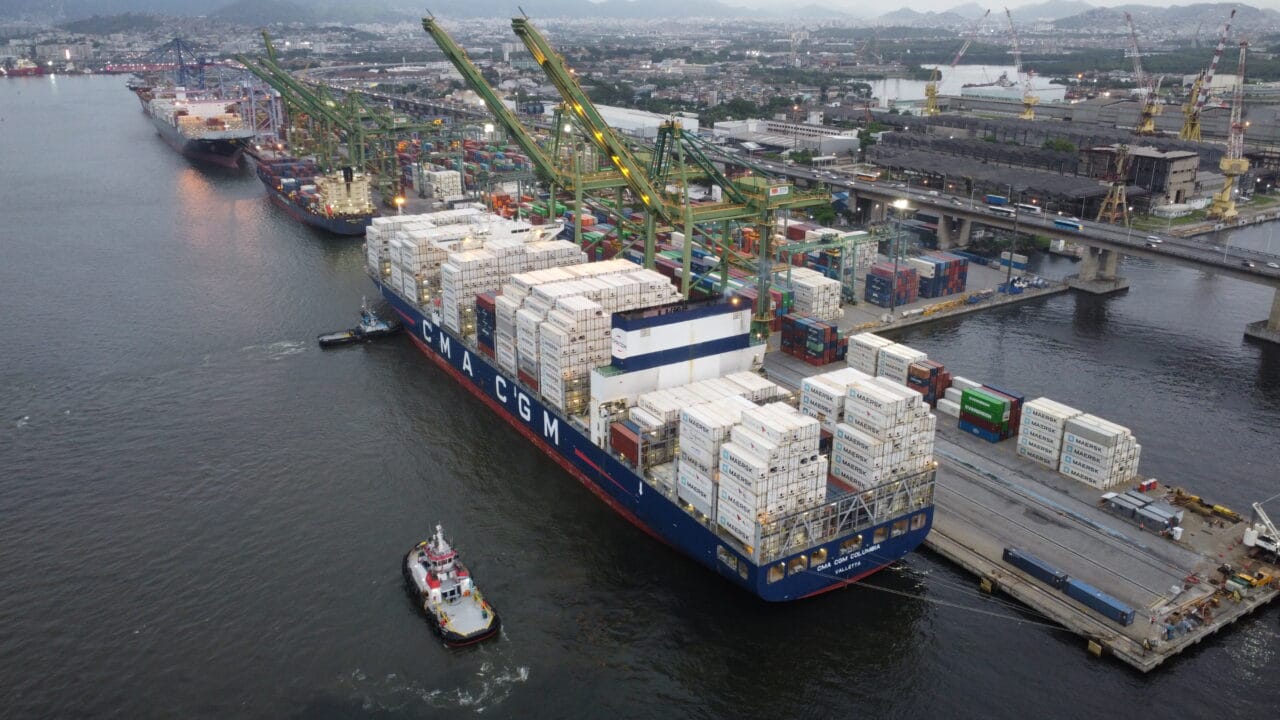
A successful example of digital transformation is the Rio Brasil Terminal, part of the ICTSI group, which implemented the Smart Logistics Platform from Athenas Logistics. The adoption of this technology resulted in greater agility, cost reduction, and increased efficiency. More than 150 pieces of equipment were connected to the platform through the Internet of Things (IoT), and over 20 systems, including Siscomex Importação and SAP, were integrated into the solution. The implementation of the technology had a positive impact not only on the operational area but also on management and regulatory processes.
Benefits Of Automation And Technological Integration
Rogério Magela, CEO of Athenas, emphasizes the importance of integration between hardware and software to achieve high efficiency. The use of Artificial Intelligence, 3D Digital Twin, IoT, and robots has been fundamental in improving operational and management processes. Automation has provided benefits such as agility at the automatic Gate, where drivers can access the terminal without human intervention, and the creation of a 3D warehouse for real-time visualizations of movements.
-
The Port of Itaqui closes the best first semester in history with over 17 million tons and takes off as the locomotive of the Northern Arc.

-
With two giant sails instead of relying solely on the engine, a modern cargo ship crosses the Atlantic carrying cars, forklifts, and goods to test using less diesel in maritime transport.

-
Brazil’s North-South Railway to Auction Two Grain Terminals in Central Tocantins

-
AI-powered traffic cameras in São Paulo now issue fines for cellphone use and seatbelt violations around the clock




Challenges And Opportunities In The Port Sector
Technological innovation emerges as an essential response to the challenges faced by the Brazilian port sector. The adoption of new technologies, as demonstrated by Rio Brasil Terminal, represents a crucial step towards modernization and increased efficiency of the country’s ports. Additionally, technological integration helps to overcome operational capacity obstacles and adapt to the growing demands of the market.
The Need To Advance And Adapt
An analysis of the Brazilian port sector indicates that technological innovation is not just an option, but a necessity to maintain competitiveness and meet global demands. Brazilian ports need to advance quickly to overcome the delay and align with international standards, ensuring a more promising future for the sector.
For professionals and companies involved in the port sector, digital transformation offers an opportunity to improve operational efficiency, reduce costs, and enhance management and safety. As the Brazilian port sector moves towards a more technological and efficient future, the prospects for growth and success become increasingly tangible.
Source: Cassio Valler-Press Advisory of Athenas Logistics.