





 Portuguese
  English
  Spanish
  5 min of reading
  2 comments


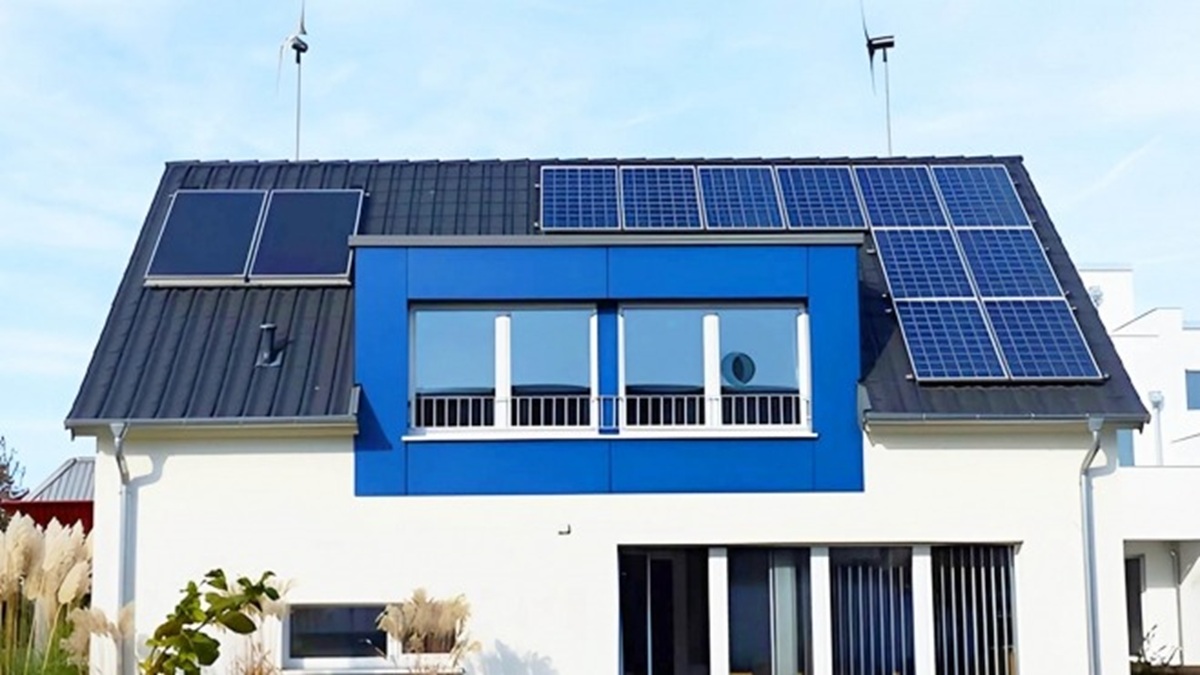


With Robust Design and a 1.5-Meter Rotor, German Technology Provides Energy Independence for Homes in Over 100 Countries, Allowing Integration with Solar Systems and Batteries to Ensure Constant Electricity Supply in Various Climatic and Local Conditions.
The SkyWind NG micro wind turbine, manufactured in Germany with a 1.5-meter rotor, generates up to 1,500 kWh annually in homes. The 19 kg equipment operates in over 100 countries, offering integration with batteries and support for electric vehicle charging in adverse weather conditions.
Technical Specifications, Design, and Global Generation Capacity
The SkyWind NG is a micro wind turbine developed and manufactured in Germany. The equipment features a rotor with a diameter of 1.5 meters. The total weight of the structure is light, reaching approximately 19 kg.
The design was conceived for installations in various residential locations. Installation can be performed on rooftops, masts, or gardens. Operation is feasible anywhere there is enough wind to generate electricity consistently.
-
A 400-meter colossus powered by natural gas has just set sail from Shanghai to Europe, carrying over 24,000 containers. It is the world’s largest dual-fuel container ship and can cross the planet without refueling even once.

-
A new study overturns the central idea we learned about planets and suggests that Earth is the exception rather than the rule; most rocky worlds in the galaxy may not have a core or mantle, just a single turbulent fluid extending to the center.
-
Scientists reanimated a 48,500-year-old virus in the laboratory that had been frozen in the Siberian permafrost since before the extinction of the Neanderthals, and it was still capable of infecting living organisms after tens of millennia dormant in the ice.
-
The oldest nuclear aircraft carrier still in operation in the world is currently on Brazilian soil making its final journey before retirement, and two American military planes landed in Salvador and Fortaleza to support the mission.



The structure is fully metallic to provide robustness. The design aims to withstand adverse weather conditions during operation. Specific braking systems have been incorporated to ensure safety in storm situations.
The rotor control is performed automatically by the system. SkyWind states that the annual energy production varies between 100 and 1,500 kWh. This volume directly depends on the installation location and the average wind speed in the area.
The rotor design includes special aerodynamic coatings. The aim of this engineering is to keep noise levels low to reduce costs associated with soundproofing. The recorded noise is around 34 dB at a wind speed of 10 m/s.
This noise measurement considers a height of 25 meters. Product acceptance is demonstrated by the number of installed units. About 10,000 of these devices are currently in operation.
The global presence of the technology spans over 100 countries. The solution is considered ideal for areas with constant wind due to its size. The lightweight and compact design makes it easier to adopt in different geographies.
Connection Versatility, Storage, and Hybrid Operation
The equipment comes with a 230/110 V AC inverter. This version is specifically intended for standard household use. There is also a 12/24 V DC version available on the market.
The DC version is designed for direct battery charging. The turbine can operate without batteries if connected to the electrical grid. In this scenario, the system compensates for the direct consumption of the residence.
The SkyWind NG offers versions with integrated inverters from the factory. This feature simplifies the physical connection to the domestic electrical grid. In remote locations, the 12/24V battery versions are preferable.
The turbine features very low visual intrusion due to its small size. The acoustic impact is also minimized by the optimized design. This makes installation feasible in sensitive residential environments.
Large wind turbines would pose problems in the same urban environments. The flexibility of installation is a technical differential of the product. The system allows for the creation of a solar-wind hybrid arrangement.
The combination with solar panels is a strategic solution for continuous generation. The panels ensure energy during the day. The turbine takes over production when winds are weak or during the night.
The SkyWind NG generates energy even in total darkness. It also operates on cloudy days when solar production is low. The equipment fills the seasonal gap left by photovoltaic technology.
Essential Viability Conditions and Technical Limitations
The economic viability of the micro turbine depends on essential conditions. The average annual wind speed must be verified before purchase. A minimum of 3.5 to 4.0 m/s at the installation site is recommended.
The ideal scenario requires locations with speeds above 5.5 m/s. Performance drops significantly if the wind is weak in the region. The investment may take a long time to recover in these situations.
The presence of obstacles at the site also affects the financial return. Installation must be carried out correctly by elevating the turbine. It is necessary to avoid physical interference from nearby buildings or tall trees.
Turbulence reduces efficiency on roofs or pergolas without sufficient height. Low roofs also hinder wind capture. The electrical system must comply strictly with local regulations.
The initial costs of the equipment are considered relatively high. The estimated production of 100 to 1,500 kWh/year critically depends on climatic conditions. In locations without sufficient wind, the return is slow.
The company emphasizes the robustness of the components used in manufacturing. The quality German design aims to ensure a long lifespan. The durability of the equipment can exceed 20 years of use.
Impact on Electric Mobility and Energy Resilience
The SkyWind NG serves as a complementary solution for electric vehicle owners. The generation of several hundred kWh powers low-power home chargers. This helps alleviate peak demand on the conventional electrical grid.
The system reduces dependence on energy supplied by the utility company. The cost per kilometer driven may decrease with the use of domestic wind energy. The turbine provides energy for part of the household’s needs.
The technology becomes a reliable source in areas with good wind speed. Coastal and mountainous regions are especially benefited during many hours. Generation occurs even when the sun is not shining.
This improves the energy resilience of homes with electric vehicles. It is possible to charge cars at night or in adverse weather conditions. Utilizing the turbine also reduces indirect carbon emissions.
The micro turbine stands out in the domestic niche due to its compact design. The AC/DC power options and low noise are important differentiators. Compatibility with solar energy expands usage possibilities.
The equipment will not replace large wind farms or solar plants. Its role is complementary in residences or remote stations. Small projects benefit from the diversification of the energy matrix.
To obtain the maximum benefit, it is essential to check wind speed. Assessing whether the estimated production justifies the cost is fundamental. If the conditions are met, it is a clean and sustainable investment.







Es una opción muy buena para obtener electricidad en combinación con paneles fotovoltaicos. Dónde se puede conseguir información técnica?
Wonderfull, more options create a world more free.