Portuguese
  Spanish


Initiative Aims To Increase Energy Efficiency And Promote Sustainable Economy
Small and medium industries in São Paulo now have a new opportunity to develop projects focused on energy efficiency, with the support of the federal government and national and international organizations. PotencializEE, an innovative program managed by the Ministry of Mines and Energy (MME) and coordinated by the German Agency for International Cooperation (GIZ), has reopened its applications, promising significant advances in industrial processes and contributing significantly to the decarbonization of the Brazilian economy.
This unique program aims to reduce energy waste in São Paulo’s industries, relying on partnerships with influential entities from the energy, industrial, and financial sectors. Among the collaborators are the National Service for Industrial Training (SENAI), the National Bank for Economic and Social Development (BNDES), and the Energy Research Company (EPE). Environmentally, PotencializEE aims to reduce emissions by 1.1 MtCO₂e by the end of 2025 and about 4.5 MtCO₂e by 2050.
The Impact Of Energy Efficiency On Competitiveness
The focus of PotencializEE on small and medium industries in São Paulo is not limited to energy efficiency but also encompasses increasing competitiveness. The reduction in production costs, one of the many benefits of greater energy efficiency, contributes to strengthening the sustainable economy and the competitiveness of companies in the market.
-
They exchanged the idea of a large house for a 35 m² warehouse, spent US$ 12,000 on the structure, and created a tiny house in Colorado with space to live and work.

-
While modern cities rely on pumps and electricity, in Iran, ancient tunnels carried water through the desert using only slope and gravity.
-
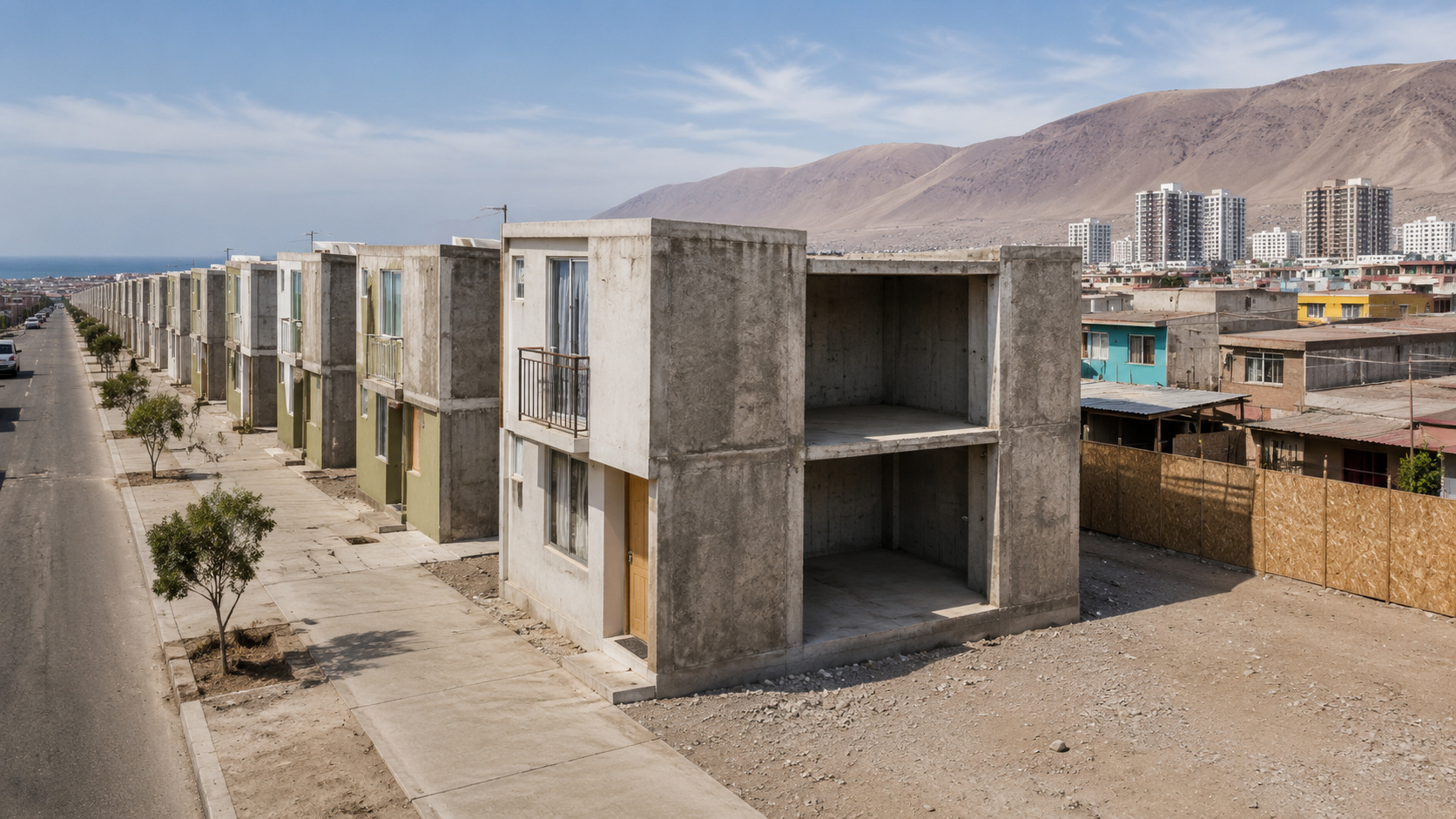
Instead of sending families far from the city, a project in Chile intentionally created incomplete houses on expensive urban land and left technical space for each to grow.
-
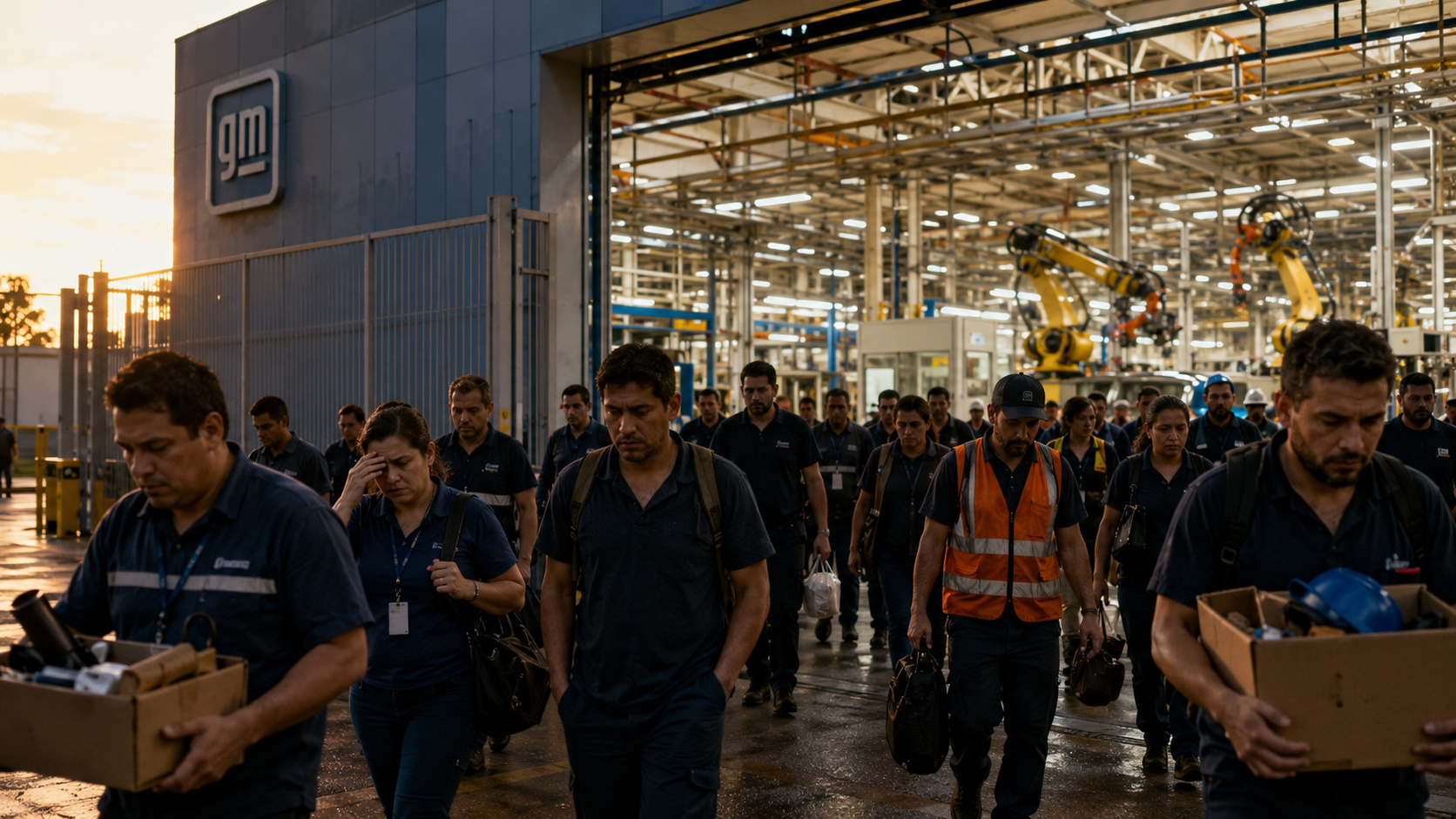
General Motors Replaces Over a Thousand Workers with 50 Cobots at Electric Vehicle Plant, UAW Union Criticizes Move Amid Industry’s Automation Push

One of the crucial phases of the program is carried out in partnership with SENAI, which operates on various fronts, including industrial awareness, training and certification of consultants, conducting energy diagnostics, and supporting the implementation of efficient projects. More than a thousand industries in São Paulo have already benefited from the program, such as Jampac Alimentos, which managed to significantly reduce electrical energy costs in its refrigeration processes after consulting with SENAI.
Registration And Consultation Process
To participate in PotencializEE, interested companies must access the program’s website and fill out a simple form. Applications are open throughout the year. The selected industries will undergo an eligibility analysis and will then receive consultation from SENAI, focused on diagnosing and improving the company’s energy efficiency.
The Green Industry Project And Its Role
The Green Industry, an initiative from the National Confederation of Industry (CNI), highlights the contributions of Brazilian industry to the environmental agenda. This project reaffirms the industrial sector’s commitment to stimulating the implementation of climate commitments in Brazil. For more information about the Green Industry, visit the project website and its social media.
For additional clarifications, the project’s advisory team is available via email or WhatsApp.
This project, PotencializEE, represents a significant step for industries in São Paulo toward sustainability and efficiency. By promoting the reduction of energy consumption and supporting the green economy, the program not only contributes to environmental health but also to the economic viability of the industries involved.
Source: Green Industry – CNI.