Portuguese
  Spanish


Rare Pest Classified As Quarantine Is Registered For The First Time In São Paulo, Closes An Area In Mirassol, Infests 50 Hectares And Forces Agriculture To Reinforce Vigilance Against Risks In Soy, Maize And Cotton.
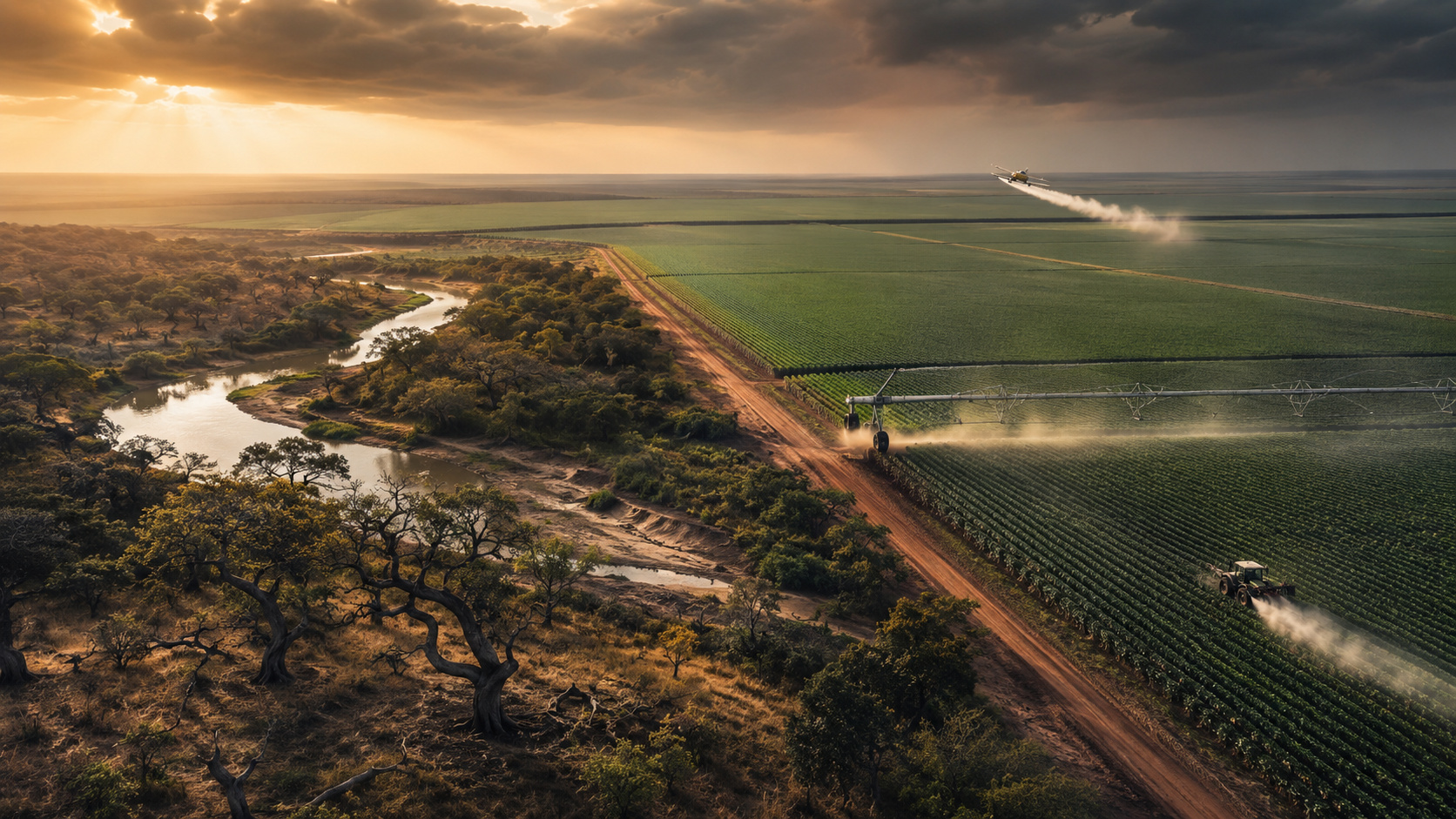
The rare pest that until now was restricted to a few properties in Mato Grosso and Mato Grosso do Sul has officially reached the state of São Paulo and has already caused an extreme measure. A rural area in Mirassol was closed after technicians detected the presence of the species Amaranthus Palmeri, known as Caruru Palmeri, in about 50 hectares, with the largest focus along a highway. Classified as a quarantine pest, it requires isolation of the area and a strict containment protocol.
In practice, the first record of this rare pest in São Paulo changes the level of attention of the agricultural defense system, especially in a region of strong agricultural production. The case in Mirassol raises an alert for soybean, corn, and cotton producers, who now face the real possibility of rapid spread both within and outside their properties, whether by wind or by the movement of machines, trucks, and people.
Rare Pest Forces Property In Mirassol Into Quarantine
The starting point for the entire operation was field observation. During a routine pass through a property in Mirassol, a technician from the regional department of São José do Rio Preto identified a plant of amaranth that was different from the native species he is used to seeing in the region.
-
India’s Sugar Export Cuts and Ethanol Shift Amid El Niño Threat Could Impact Global Prices and Stocks

-
Quarantine Pest Threatening Palm Trees Puts Brazilian Authorities on Alert, Prompts Monitoring at University of Taubaté and Potential Control Measures Across São Paulo
-
Global Alert: Report Finds 159 Pesticides in Coffee Beans Sold in Europe, Posing Serious Risks to Millions of Farm Workers
-
Low-Demand Brazilian Beef Offal Gains Popularity Abroad: Indonesia Purchases $19.5 Million, Boosting Revenue and Reducing Waste

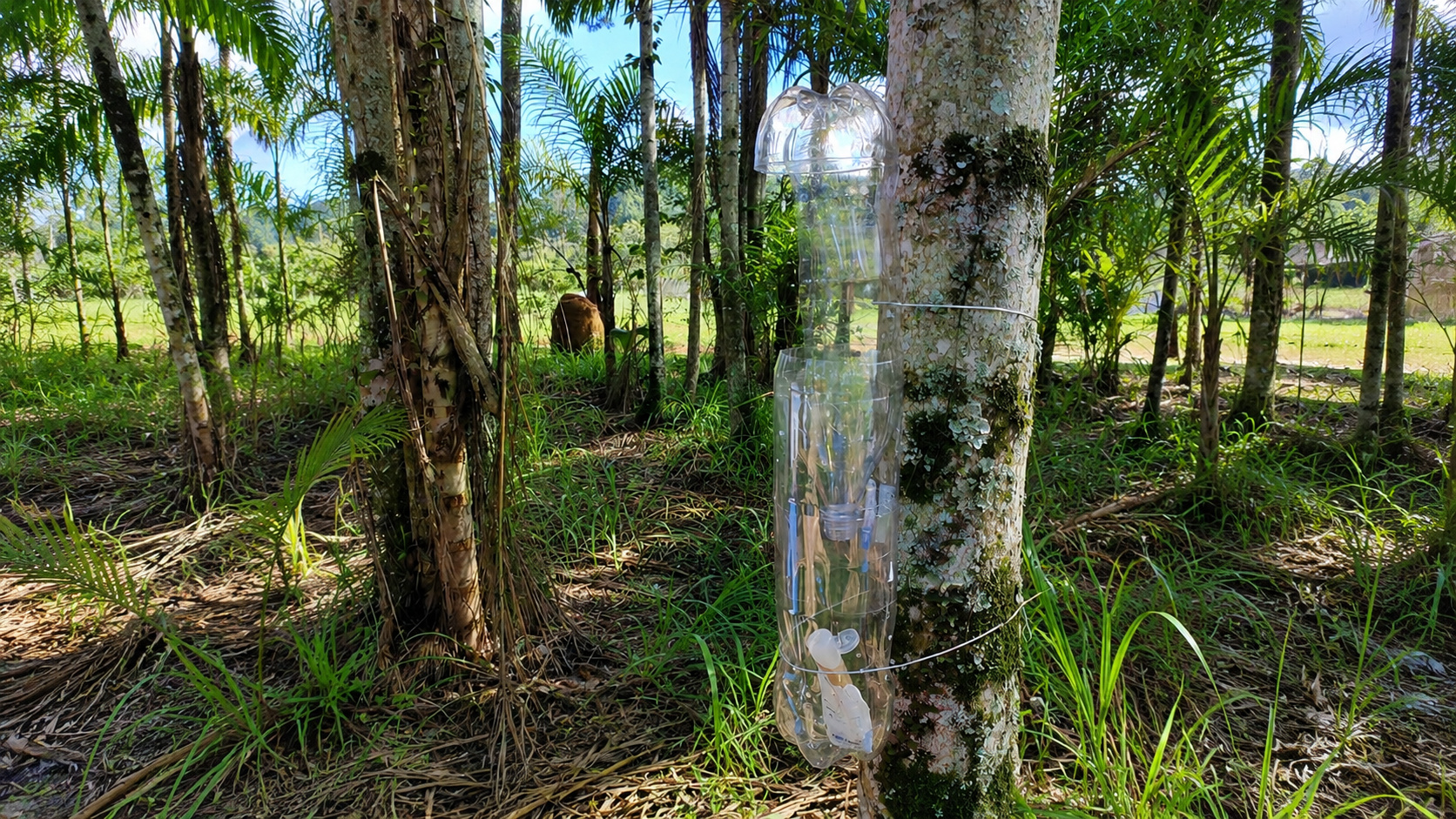


The plant was collected and sent to the official laboratory, and the report, received on February 3rd, confirmed the presence of the rare quarantine pest Amaranthus Palmieri.
Following this confirmation, the property was closed for sanitary measures. The area was placed in quarantine to prevent the rare pest from “traveling” with machines, vehicles, clothes, or footwear, which could lead the problem to other farms and even to other municipalities.
Infested plants were eradicated and teams began to monitor the surroundings to check for more foci outside the 50 hectares initially mapped.
How The Rare Pest May Have Reached São Paulo

Until the record in Mirassol, the cases of this rare pest in the country were concentrated in Mato Grosso and Mato Grosso do Sul.
The working hypothesis of agricultural defense is that Amaranthus Palmieri may have arrived in the São Paulo interior “hitching a ride” on some equipment coming from these regions.
According to technicians, agricultural machines, implements, and trucks can shed seeds of the rare pest while traveling between states and properties, especially when moving from infested areas to clean areas without proper cleaning care.
The fact that the largest focus was found along a highway reinforces this suspicion. A single pass of a set of contaminated machines could have been sufficient to introduce the species into the area.
Why The Rare Pest Concerns Soy, Corn, And Cotton Farmers
Amaranthus Palmieri is not just any invasive plant. It is described as a competitive and highly aggressive rare pest, with rapid growth and a large capacity for seed production.
In a practical agricultural scenario, this means direct competition for light, water, and nutrients with high-value crops such as soy, corn, and cotton.
Technicians emphasize that a single plant of the rare pest can produce over 1 million seeds, making control much more challenging if the foci are not identified early on.
In large-scale areas, a momentary lapse in care can turn into widespread infestation within a few crops, directly impacting productivity and management costs.
Explosive Dissemination: Wind, Machines, And Traffic Within The Farm
Another factor that makes this rare pest so dangerous is the method of dispersion. The seeds are very small and lightweight, allowing the wind to easily transport them beyond the original area of occurrence.
At the same time, the normal movement of a farm functions as a “corridor” for the pest’s advance.
Agricultural machines, implements, trucks, and even the soles of boots can carry the rare pest from one area to another without anyone noticing.
That’s why the property in Mirassol was closed, with restricted access: the lower the flow of people and equipment in the contaminated perimeter, the less likely Amaranthus Palmieri will reach neighboring crops and spread throughout the region.
What Agriculture Is Doing Now To Contain The Rare Pest


After the confirmation of the first focus in São Paulo, the Secretary of Agriculture held a technical meeting to align containment measures.
Professionals from the sector, extensionists, and agricultural defense teams participated, with a central message: vigilance against the rare pest needs to be constant and collaborative.
Regional teams are conducting a sweep around the property in Mirassol to check for other points of infestation.
So far, according to technicians, only this area is officially affected by the rare pest in the state, which makes containment efforts still viable if the protocol is taken seriously by everyone involved in the production chain.
Role Of Extensionists And Producers In Combating The Rare Pest
A point emphasized in the meeting was the role of rural extensionists and the producers themselves. They are the ones who maintain direct and frequent contact with the crops, and therefore can be the first to notice something different.
Whenever there is suspicion of a rare pest or strange plants in soy, corn, or cotton areas, the guidance is to immediately communicate with agricultural defense.
From this communication, official teams can collect samples, send them for laboratory analysis, and, if necessary, confirm new foci.
Without this rapid link between the field and enforcement, the risk is for the rare pest to advance silently through several plots until the problem becomes too large to contain with point measures, requiring more drastic and costly actions.
What This First Focus Of The Rare Pest In São Paulo Teaches The Producer
The case in Mirassol provides some clear lessons for producers in São Paulo and other states. First of all, it shows that the rare pest does not respect state borders or invisible barriers between properties.
The transit of seeds can occur in seemingly simple details, such as a machine that has not been properly cleaned, a truck circulating among various clients in the same day, or a lack of attention to strange plants at the edges of crops.
Secondly, it reinforces that a rapid response makes a difference. Identifying, reporting, and isolating the rare pest at the first focus increases the chances of avoiding a much larger problem in the future, with productivity losses and increased costs of chemical and mechanical control.
The sooner agriculture acts, the greater the likelihood of keeping Amaranthus Palmieri away from large-scale production areas.
And you, if you found a different plant at the edge of your crop, would you notify agricultural defense immediately, or would you think it’s not worth worrying too much about a rare pest in São Paulo?