Portuguese
  Spanish


Discover How the Navy and Petrobras Protect the Pre-Salt and Submarine Routes of the South Atlantic from Invisible Threats
The pre-salt, which accounts for over 75% of the national oil and gas production, is not only a source of wealth but also a crucial point of Brazilian sovereignty. Protecting underwater infrastructures, such as communication cables, pipelines, and sensors, has become a vital mission, especially for the Brazilian Navy, which leads this strategic defense.
Invisible Cables and Real Risks in the Depths of the South Atlantic
Imagine a network of submarine cables over 30,000 km long connecting not only Brazil but the world. Through them, nearly 97% of global data traffic flows, including the functioning of the banking system and civil and military communication. But these cables, along with the pre-salt pipelines, are constant targets of silent attacks: physical sabotage, cyber invasions, and technological espionage.
“The protection of these infrastructures cannot be neglected. The impact of an attack can paralyze everything from agribusiness to satellite coordination,” warns Rear Admiral Luiz Roberto Barcellos, a cyber defense specialist in the Navy. To stay ahead of these threats, the Navy uses cutting-edge technology, such as Autonomous Underwater Vehicles (AUVs) and fixed monitoring stations, in addition to the Blue Amazon Management System (SisGAAz).
-
OPEC+ Boosts Oil Supply by 188,000 Barrels per Day in July 2026, Leading to Price Drop from $112 to $89 per Barrel in Under Two Months

-
TotalEnergies Signs 20-Year Deal to Purchase 2 Million Tons of LNG from Alaska, Boosting Project Viability
-
Turkey Deploys Çağrı Bey Drilling Ship to Explore New Oil Frontier Off Somalia’s Coast
-
Golden Pass LNG Ships First Liquefied Gas Cargo from the U.S., Completing $10 Billion QatarEnergy and ExxonMobil Investment


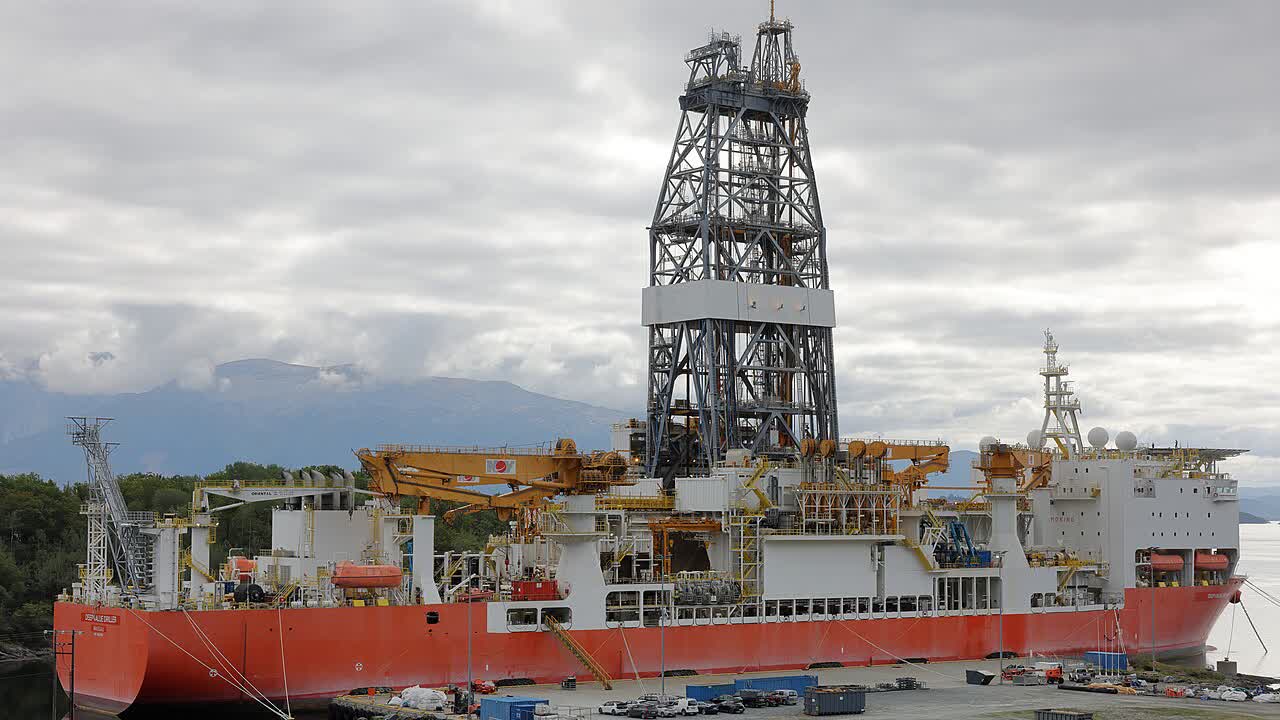

Pre-Salt and Energy Security: Much More Than Oil
The pre-salt is the engine driving Petrobras and the national economy, but ensuring safe extraction is only part of the challenge. The real issue lies in the interdependence between technology, energy, and security. Any disruption in submarine routes can compromise the country’s stability, affecting everything from internet access to the functioning of the financial system.
In today’s hyperconnected world, constantly undergoing energy transformation, cooperation between defense, industry, and science is essential. “The future of Brazilian security depends on the integration between the Navy, state-owned companies, energy operators, and network providers. It is a multidimensional security that involves physical, cyber, and environmental threats,” explains public policy analyst Fernanda Silva from the Igarapé Institute.
The Brazilian Navy: Guardian of the Depths of the South Atlantic
The Navy, with its Submarine Force and cyber defense structure, occupies a strategic position to protect what lies beneath Brazilian waters. Operations to Guarantee Law and Order (GLO) reinforce this role, adding efforts to deter and detect threats in real time.
“It is essential to establish partnerships to ensure the security of the submarine routes crossing the South Atlantic, especially in light of the growing interest from global powers and transnational companies,” emphasizes professor and researcher Leonardo Perin Vich, author of the study “The Defense of Submarine Cable Infrastructure,” published by the War College.
Petrobras and the Navy Advance in Technological Innovation for Pre-Salt Defense
Integrating maritime security and cyber defense is the new paradigm that Brazil needs to embrace. Investing in advanced sensors, signals intelligence (SIGINT), and remote sensing technology, along with the use of underwater robotics, ensures that the country is prepared for hybrid threats that mix the physical and digital.
Petrobras and the Navy have made significant strides in applying these technologies, reflecting the strategic importance of the pre-salt for Brazil.
Did you like the content? Want to know more about how technology and the Brazilian Navy ensure the security of the pre-salt in the South Atlantic? Leave your comment below or share this article with your friends to broaden this conversation!