Portuguese
  Spanish


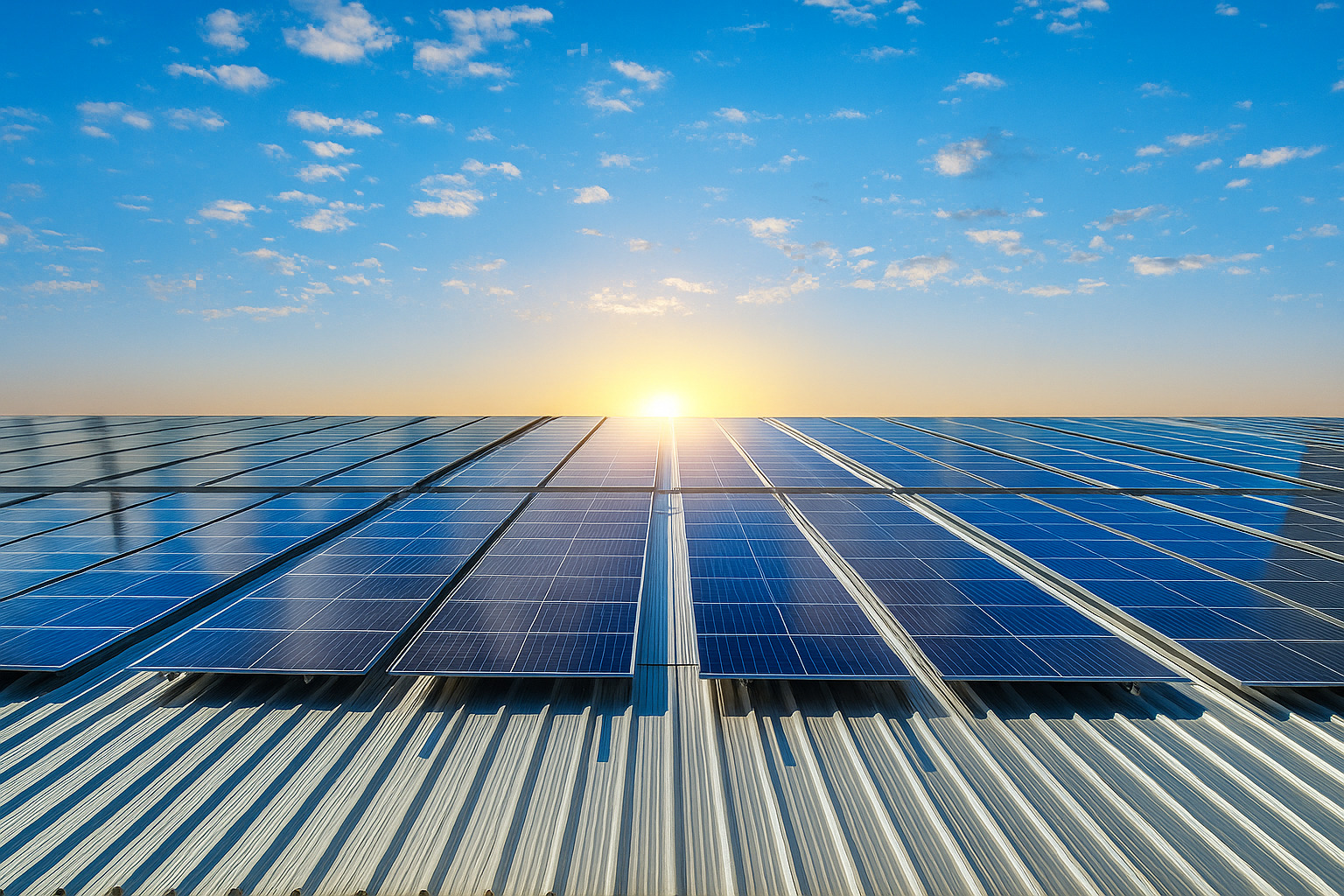

Discover How Solar Energy Prices Dropped 3% in Q2 2025, Benefiting Consumers with More Accessible and Sustainable Systems in Brazil.
In recent years, solar energy has been consistently gaining ground in Brazil and around the world. This is mainly due to its clean, sustainable, and increasingly accessible nature. As technological advancements have intensified and incentive policies have been adopted, the price of solar energy has become more competitive.
Recently, a survey showed that the cost of residential solar energy in Brazil fell 3% in the second quarter of 2025. Thus, this data confirms the trend of growth in clean and accessible energy in the country.
Consequently, this energy has come to be seen as a real alternative for consumers dissatisfied with high electricity rates. Due to tariff flags and frequent water crises, the traditional system has become unstable.
-
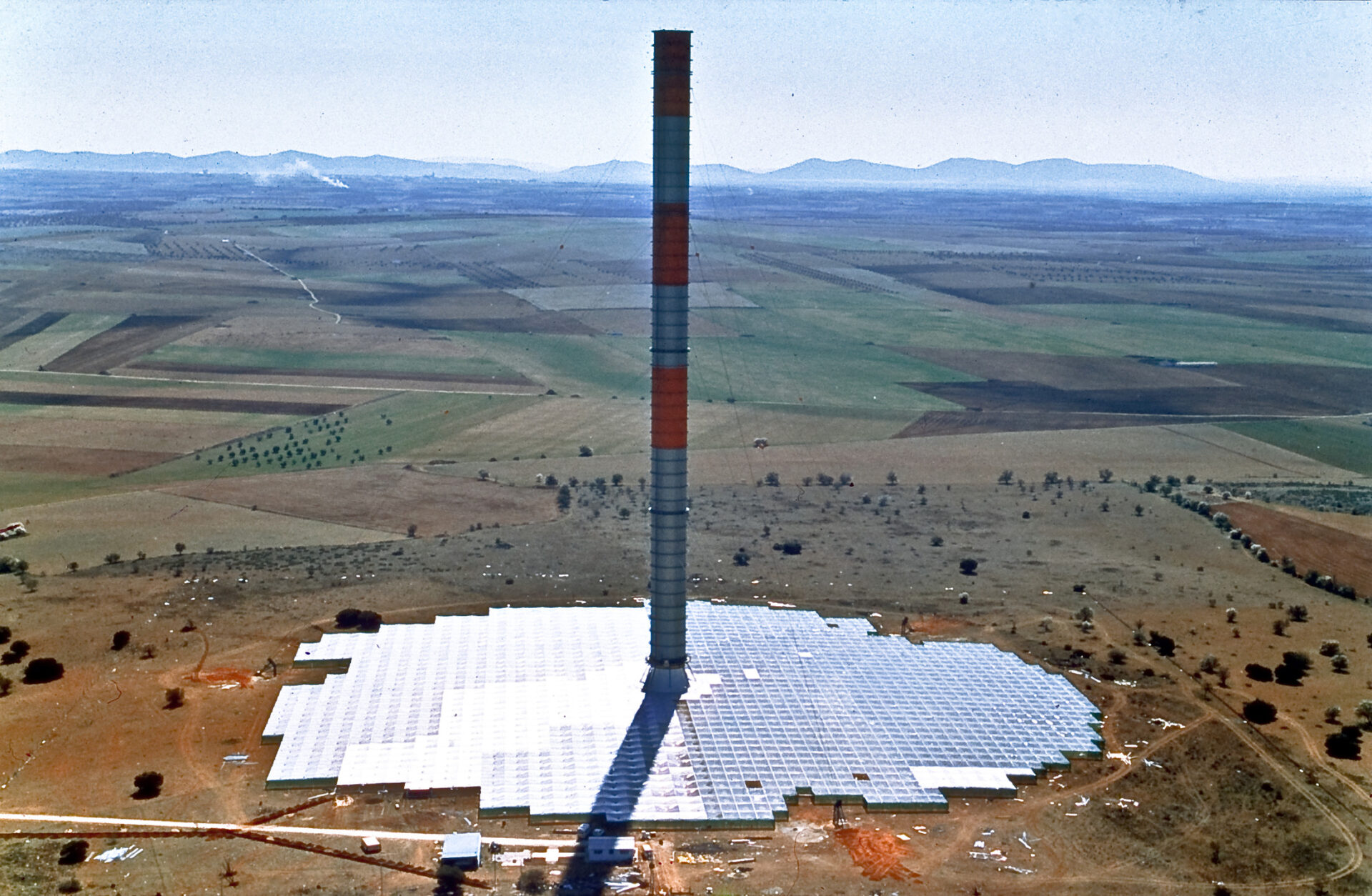
Solar Chimney in Spain Harnessed Sun to Generate Electricity for 7 Years Without Burning Fuel

-
Solar energy reaches 55 GW, becoming the second largest power source in Brazil’s energy mix

-
Solar energy can increase property value by up to 10% and become a selling point.
-
Solar and wind energy surpass natural gas for the first time in the world and accelerate energy revolution

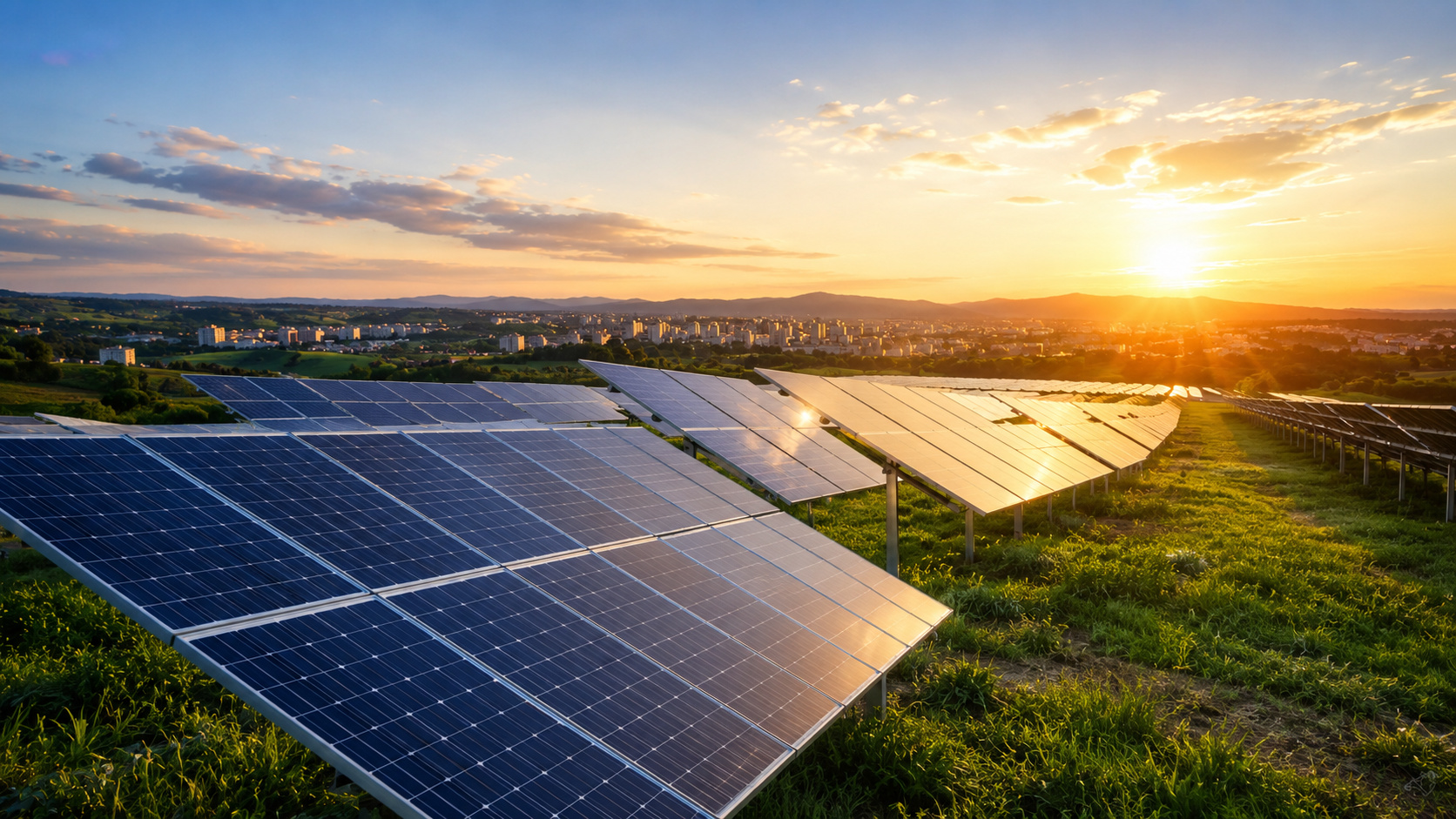
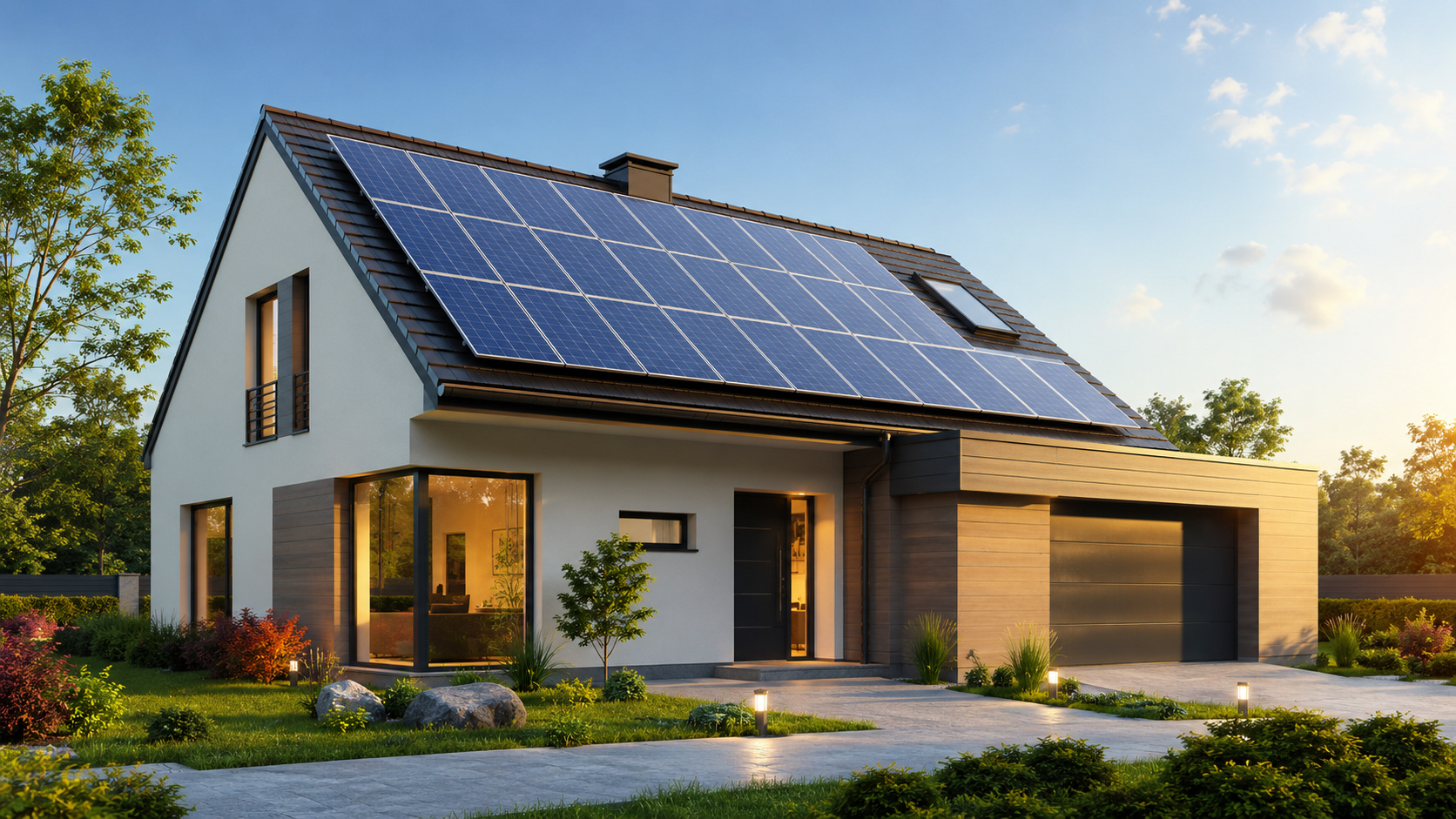

Therefore, any reduction in the cost of installing solar panels represents a concrete opportunity for savings for thousands of families.
The Historic Advancement of Solar Energy in the Country
Since the beginning, Brazil has always shown great potential for solar energy. This is due to its privileged location and high sun exposure across almost all national territory.
However, for many years, this energy source remained restricted to isolated areas, far from the electrical grid.
The transformation began, especially, in the early 2000s. As technologies became more accessible and incentive programs started to emerge, the sector gained momentum.
The most significant legal milestone came with Aneel Resolution 482 in 2012, which allowed consumers to generate their own energy and offset excess with the electrical grid.
As a result, specialized companies began to offer complete and more affordable solutions. Thus, competition grew and contributed to the drop in solar energy prices, enabling an increasing number of Brazilians to adopt the system.
Price Drop Despite Challenges in the Global Market
According to Radar Solfácil, an indicator from the Solfácil company, the national average price of solar energy was R$ 2.51 per Watt-peak (Wp) between April and June 2025.
Although the cost of equipment has increased, the final price dropped by 3%. This positive result was primarily due to the decrease in the price of polysilicon — an essential raw material for solar panels.
Moreover, even with the imposition of new export taxes by China, the leading global supplier, the Brazilian market managed to maintain its competitiveness.
This happened because installation companies tightened their profit margins, aiming to keep prices attractive. Thus, this market movement directly contributed to the benefit of the final consumer.
Additionally, the maturity of the sector in Brazil brought logistical and operational improvements. As a result, installations became faster and more efficient, reducing costs and increasing access.
Effects on Consumers and Installation Companies
With the reduction in the price of solar energy, consumers began to invest more confidently in photovoltaic systems. Thus, the return on investment occurs in less than three years, making it one of the fastest in the world.
On the other hand, for consumers, this represents various advantages: monthly savings, energy autonomy, and increased property value.
In this way, the installation of solar systems becomes an important differential, both in rural and urban areas.
However, installation companies face challenges. To keep prices down, they need to pursue more efficiency, better management, and commercial strategies.
Thus, offering longer warranties, quick delivery, and quality service has become essential.
Aside from the economic aspect, solar energy brings clear environmental benefits. As it reduces the use of fossil fuels, it contributes to the decrease in greenhouse gas emissions, aiding in the country’s climate goals.
Regional Differences and Inequality of Access
Although the advancement is notable, the price of solar energy is not uniform across Brazil. While the Midwest has the lowest prices, averaging R$ 2.40 per Watt-peak, the North leads the list with the highest prices.
These differences result from factors such as logistics, state taxes, and labor availability. Moreover, the Northeast has stood out for its solar potential and competitive prices, boosting solar energy adoption.
The Southeast, although having recorded a slight increase in the quarter, still remains within the national average.
In light of this, public and private projects have been implemented to expand access in more isolated regions. Vulnerable communities, for example, receive special attention through energy inclusion policies.
Thus, this expansion helps to reduce historical inequalities and promote regional development. The democratization of solar energy is, therefore, essential for a fairer and more sustainable future.
States with the Lowest Prices and New Access Models
According to the Solfácil survey, states like Acre, Alagoas, Amazonas, Goiás, and Roraima had the lowest average prices. This reality favors popular access to solar energy, making the system viable even for lower-income families.
In this sense, collective initiatives, such as solar cooperatives, have emerged. In these structures, residents of condominiums or rural areas come together to invest in a shared system, dividing the generated credits.
Thus, the decentralization of energy generation strengthens inclusion and expands the reach of technology. The partnership among the community, government, and private sector has been fundamental in ensuring the sustainable growth of the sector.
Therefore, the collective model allows solar energy to reach an audience that previously would not have had the financial means to invest individually.
Financing and the Role of Companies in Sector Growth
Currently, facilitated financing has been a key factor in the growth of solar energy in the country. With monthly payments equivalent to the old electricity bill, companies like Solfácil make investment more accessible and predictable.
Additionally, these companies provide complete support: connecting consumers to installers, supplying equipment, and monitoring system performance. This way, consumers gain security throughout all stages of the process.
Consequently, small businesses, rural producers, and families have started to confidently invest in photovoltaic systems. Thus, solar energy transforms from an expense into a long-term investment.
The competition among companies has spurred innovations in services, timelines, and guarantees. In this way, the price of solar energy continues to decline, even amidst challenging scenarios in global trade.
Solar Energy and the Brazilian Energy Future
When analyzing the trajectory of solar energy in Brazil, we see a structural and lasting change. From a niche alternative, it has become a accessible and sought-after solution.
With prices becoming lower, more consumers are transitioning to their own systems. This strengthens national energy independence and relieves the burden on large hydroelectric plants, which face risks due to climate change.
Moreover, Brazil has natural and geographical advantages that position it as a leader in the energy transition. With abundant sun, vast territory, and consistent public policies, the country has everything to become a global reference in clean energy.
Therefore, investing in solar energy today is a smart choice. More than saving money, it represents a commitment to the environment, quality of life, and social responsibility.
The price of solar energy, increasingly accessible, solidifies this technology as one of the pillars of the Brazilian energy future.