





 Portuguese
  English
  Spanish
  4 min of reading
  0 comments


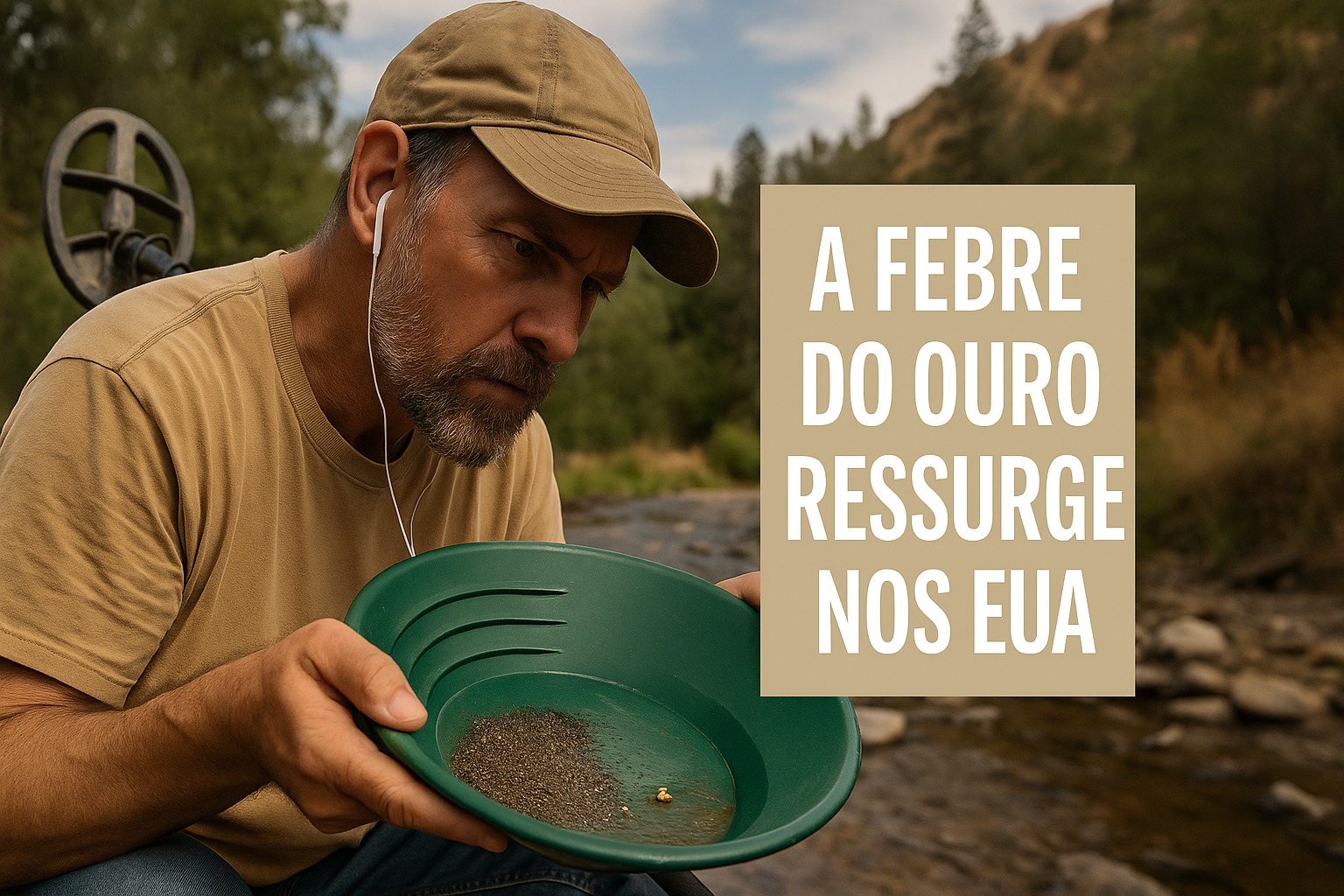
With Gold Prices Rising, The Number of People Returning to Prospecting in The United States Increases, Blending Adventure, Nostalgia, Tourism, and Viral Videos on Social Media
Two weeks ago, Californian Mike Hewlett experienced a scene worthy of a cartoon. While walking through a forest in the Mount Shasta region, using a metal detector, the 50-year-old welder found a small piece of gold buried in the gravel — the size of half a pinky fingernail.
“I was jumping all around,” he said, still excited about the discovery. The nugget was worth only US$ 175, but according to Hewlett, “it was just sitting there, waiting to be picked up.”
The Return of The Gold Rush
In the United States, a new gold rush is underway. Across the country, people showcase their finds on social media and exchange tips about the best places to prospect.
-
A new law being voted on in Brazil proposes a minimum fare of R$ 10 per trip and R$ 2.50 per kilometer for Uber and 99 drivers, and promises to ensure they earn as well as taxi drivers did during the golden age of taxis in the country.

-
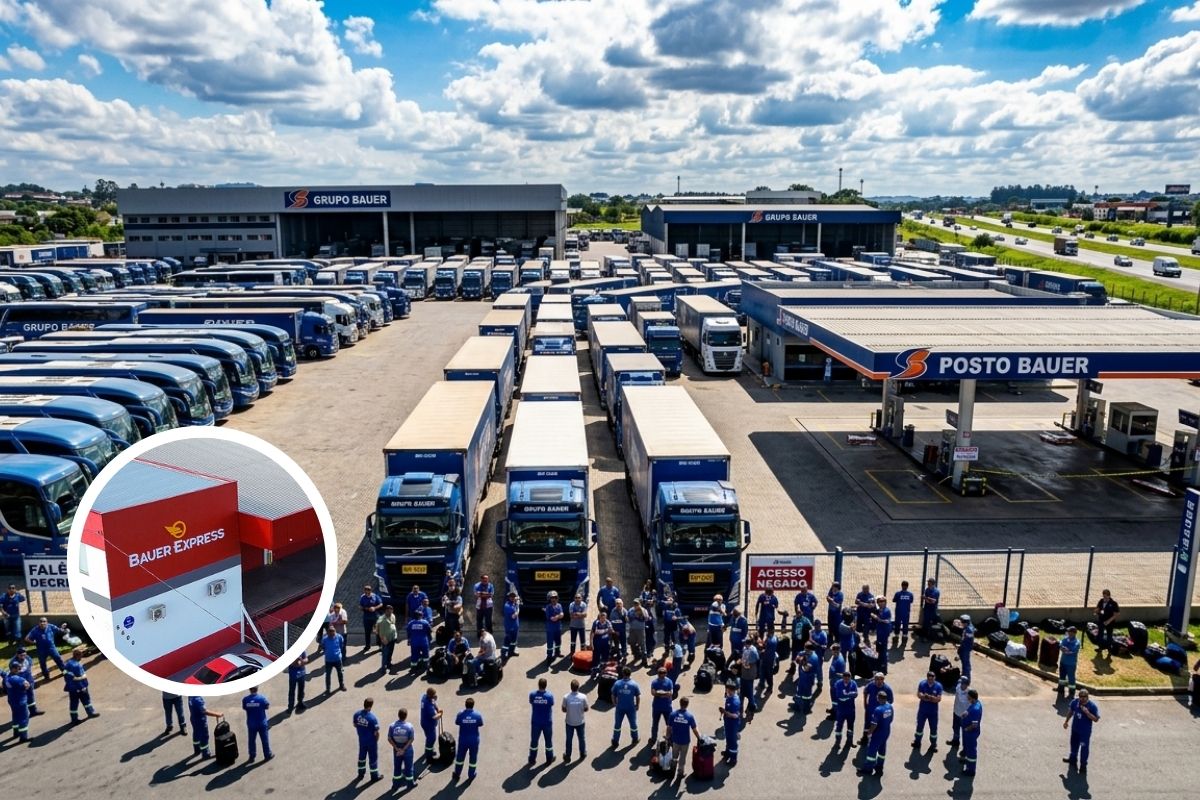
Bauer Group collapses after failed judicial recovery: 25 years, 800 vehicles, and a network of gas stations leave a debt of R$ 50 million and 100 layoffs, exposing costs, tight margins, and expensive credit in Brazil.
-
Premium Brazilian brand born during the pandemic brings fine cocoa from Bahia to Switzerland, Germany, and France, has won 9 awards, and claims to have the 2nd best milk chocolate in the world: meet Luz Cacau.

-
Júnior Friboi has just purchased one of the largest feedlots in all of Brazil, located in Goiás, with the capacity to produce 180,000 cattle per year, and the manager has already come forward to reassure employees about layoffs.

Some use old pans and pickaxes; others prefer modern detectors and separation boxes.
The promise of finding a “mother lode” is slim, but the record price of gold, above US$ 4,000 an ounce, fuels the dream.
“All along the way, I keep thinking I’m going to pull out this damn nugget worth US$ 100,000,” Hewlett said with a laugh.
Prospecting Classes and Tourism
The growing interest has filled courses and activities related to artisanal mining. The Big Thunder Gold Mine in South Dakota is an example.
The museum, which houses artifacts from the 1874 Black Hills Gold Rush, offers prospecting classes and allows visitors to search for gold on its grounds — and keep what they find.
Classes are sold out, and sales of “paydirt” buckets, which cost US$ 55 each, have increased by 50% compared to the previous year. “People take them home and sit in the garage with a tub from Walmart to pan,” explained co-owner Sandi McLain.
With over three decades in the business, she says she has never seen such a craze.
From Gravel to YouTube
As in the gold rushes of the 19th century, those who really profit are often not the finders of gold but those who sell the equipment. And in the digital age, there’s another type of treasure: videos.
Channels dedicated to prospecting reach up to half a million subscribers on YouTube, showcasing prospecting in rivers and mountains.
Californian Cody Blanchard, for example, found about 170 grams of gold before turning the hobby into a business. Today, he sells equipment and organizes prospecting tours.
“It’s an addiction,” he admits. “The thrill of finding gold in nature is unbeatable.”
When there’s time to spare, Blanchard hunts for lost jewelry in parks or dives in rivers, where he digs the rocky bottom with a snorkel.
Curious Discoveries and Unusual Encounters
Not everything that appears is gold. Once, Blanchard and friends found old buttons from a 19th-century Levi’s pair of pants, still with a piece of fabric attached.
Chris Spangler, a health administrator and Navy veteran, had a scare in the Mojave Desert.
While prospecting at night with his children, he was surrounded by hundreds of tarantulas attracted by the vibrations of the equipment. “It was bizarre, but also a unique experience,” he recounted.
Today, Spangler lives in Sydney and shares his family’s adventures on social media, where he has 430,000 followers.
The content has earned about US$ 30,000 — much more than any nugget they found.
Gold and Environmental Challenges
According to Parker Schnabel, an Alaskan miner and star of the show Gold Rush, in many countries, artisanal mining is a means of survival.
In the United States, however, environmental restrictions make large-scale mining more difficult.
Even so, he believes high prices are changing the landscape. “With so many people facing financial hardships, gold is starting to look like a real opportunity again,” he stated.
Schnabel emphasizes that uncertainty is part of the attraction. “You can be really lucky and find something that changes your life if you find the right spot.”
Competition and Spirit of Adventure
The gold fever also brings competition. In Alabama, the annual event Goldzilla gathers hundreds of prospectors at a campsite near Georgia.
Everything found is equally divided among participants.
“The more people that join, the less gold you take home,” said mechanic Cannady, 46. Even so, he plans to return. He intends to turn the gold collected into rings for his wife and daughter.
Gold and Learning
The fascination has also reached schools. Every year, fourth-grade students visit the Marshall Gold Discovery State Historic Park in California to learn about the Gold Rush.
There, they participate in workshops costing US$ 10, with a half hour of panning and the opportunity to take home what they find.
Senior park assistant Cynthia Flewelling assures that the activity remains popular. “Even with gold prices skyrocketing, the experience of finding a flake with your own hands is what truly shines,” she stated.
With information from Invest News.







-

Uma pessoa reagiu a isso.