Portuguese
  Spanish


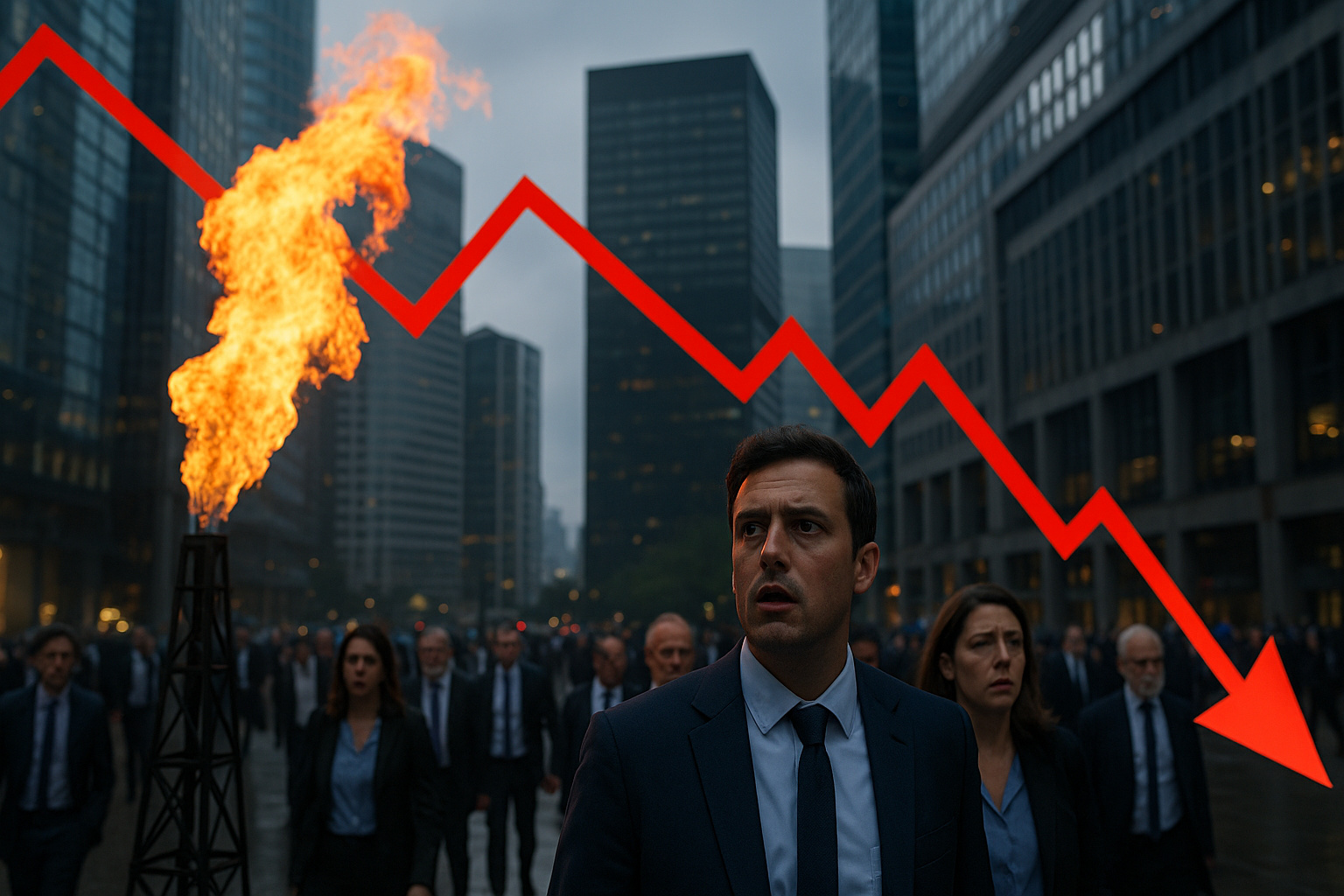


Fall In Oil Prices Exposes Risk Of Over-Supply And Raises Questions About The Pace Of The Global Economy.
Falling Oil: Market Reacts To Signs Of Over-Supply
Oil prices recorded a drop of over 2% on Wednesday (12), reflecting growing concerns about global over-supply. Even with expectations of demand recovery in the United States following the end of the government shutdown, the commodities market remains pressured, directly affecting the global economy.
The price of Brent fell 2.35%, trading at US$ 63.63 per barrel, while WTI, the North American benchmark, dropped 2.56%, to US$ 59.48. The decline comes a day after gains of over 1%, highlighting the volatility that dominates the sector.
Over-Supply Hinders Upside Potential
According to analysts, the market is facing a scenario of strong production and a low balance between supply and demand. Ole Hansen, head of commodities strategy at Saxo Bank, emphasized that “both WTI and Brent remain well and truly stuck, with short-term speculative trading providing most of the activity.”
-
Petrobras Secures $2.2 Billion Contract to Build and Operate Four Support Vessels for Brazil’s Offshore Oil Fields

-
Oil production grows in Rio, but reserve replacement raises a warning sign

-
Petrobras is expected to complete the drilling of the Morpho well in the Foz do Amazonas in August 2026, the first well in the Equatorial Margin, an oil frontier that the ANP estimates at more than 30 billion barrels and could redraw the map of Brazil.

-
Oil returns to the center of concerns with tension between the US and Iran


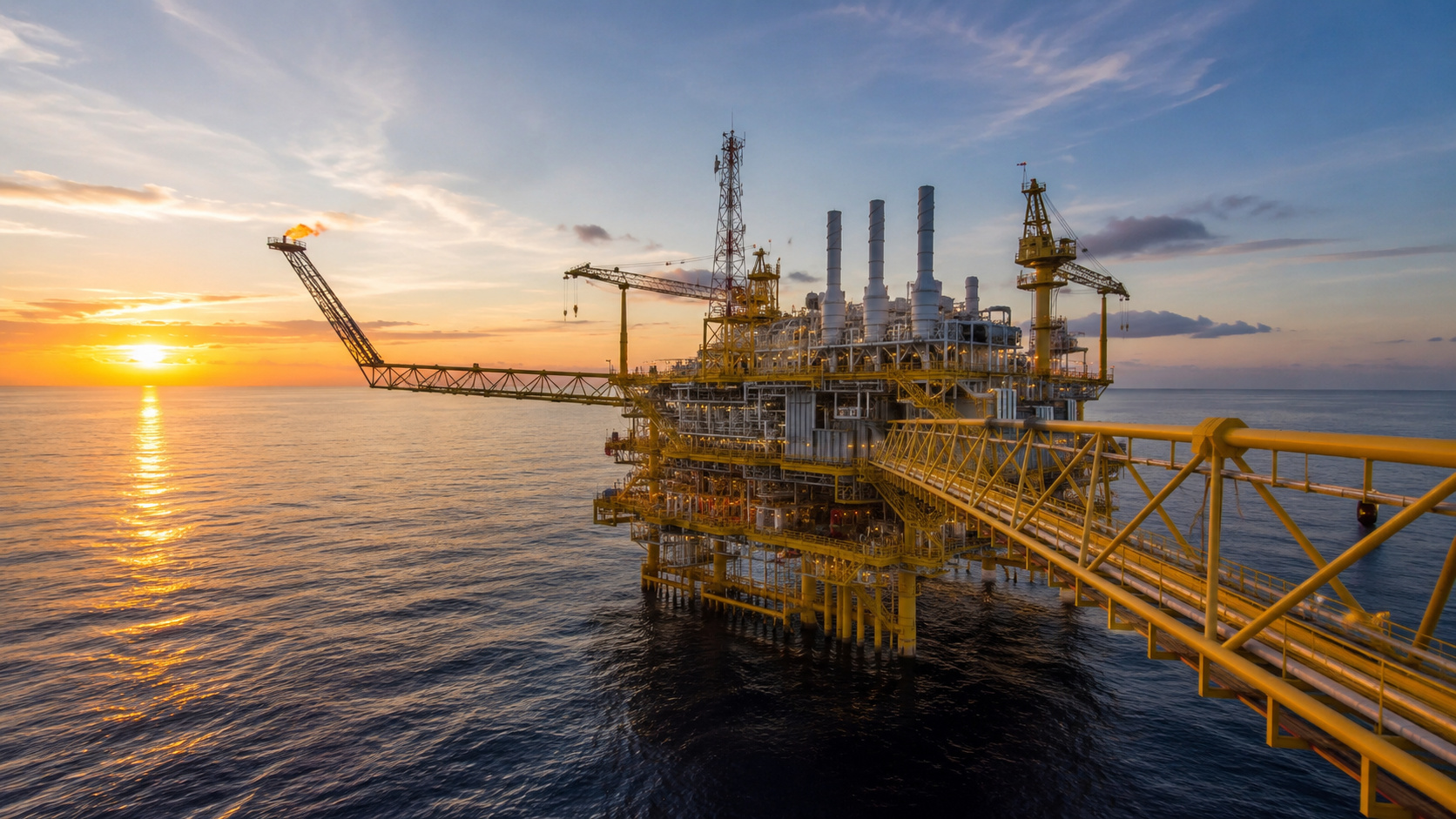


The increase in stocks and fast-paced production are limiting price appreciation. Thus, even with positive signals coming from the American economy, the immediate impact on oil is limited.
U.S. Government Reopening Brings Hope, But Effect Is Uncertain
The end of the U.S. government shutdown emerges as a possible relief for the global economy, restoring consumer confidence and resuming suspended activities. Tony Sycamore, an analyst at IG, stated in a note that “the reopening of the U.S. government could boost consumer confidence and economic activity, stimulating demand for oil.”
Also on Wednesday, the U.S. House of Representatives, controlled by Republicans, is expected to vote on a bill that restores funding to federal agencies until the end of January. Although the measure brings temporary stability, experts warn that the impact on consumption of gas and oil will be gradual.
Short-Term Outlook Remains Limited
Even with the long-term growth outlook, the market continues to face a persistent over-supply. Hansen reinforced that “while the long-term demand outlook remains robust, the short-term outlook still points to ample supply, limiting upside potential.”
This combination of factors keeps oil trapped in a moderate price range, lacking sufficient strength to sustain a consistent upward movement. Therefore, investors remain cautious, awaiting new data on global stocks and production.
Demand Expected To Grow Until 2050, Says IEA
While the present is concerning, the future still holds room for optimism. In its annual report World Energy Outlook, released on Wednesday, the International Energy Agency (IEA) projected that the demand for oil and gas is expected to continue growing until 2050, driven by the economic advancement of emerging countries and energy consumption in Asia.
The forecast reinforces that, although the current moment is one of decline, oil remains an essential commodity for global energy balance. However, over-production and short-term slowdown keep the sector under constant pressure.
Market On Alert: Volatility May Continue
With oil fluctuating between gains and losses, the energy market remains unstable. The recent decline raises a red flag for investors and governments, who are closely monitoring the impacts on inflation and the trade balance.
Moreover, uncertainty regarding production cuts and new export policies is expected to keep the volatile scenario in the coming weeks. Thus, oil continues to serve as a sensitive thermometer of the global economy, capable of influencing everything from transportation costs to the final price of food.