Portuguese
  Spanish


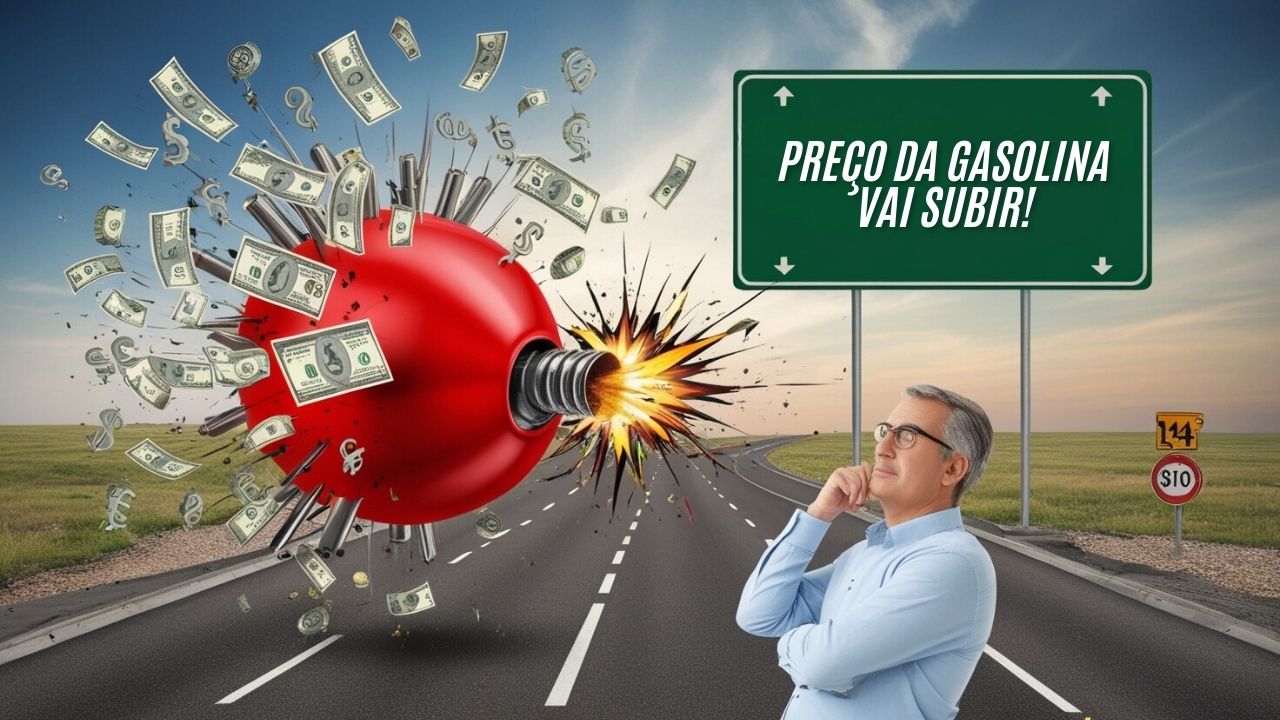

As of February 2025, the ICMS increase promises to significantly raise the price of gasoline and other fuels.
Brazilian citizens can already prepare to feel the pinch in their wallets with the decision of Confaz (National Council of Fiscal Policy) to increase the ICMS rates, effective from February 1, 2025. Gasoline and ethanol will be the most affected, but diesel and biodiesel will also not escape the hike. This change promises a true upheaval in gasoline prices and, consequently, in consumers’ cost of living.
ICMS Increase: What Changes in the Price of Gasoline and Fuels?
The impact will be direct: gasoline and ethanol will see an increase of 7.14% in ICMS rates, rising from R$ 1.3721 to R$ 1.47 per liter. For those already suffering from prices since January 2024, when there was an increase of R$ 0.25 in the tax, this new hike will be even more felt at the pump.
Diesel and biodiesel will also experience increases, but at a lower level of 5.31%, raising rates from R$ 1.0635 to R$ 1.12 per liter. Cooking gas is the only exception, with a reduction of 1.69% in the rate. Despite this, the drop in the price of this essential item will not be enough to offset the overall impact on transportation and product costs.
-
Drivers are falling for these scams without realizing: operation reveals closed gas stations, adulterated fuel, and hidden losses when refueling.

-
New Fiat EV, priced at R$ 77,000, will bring a reinterpretation of the 147 and a consumption equivalent to 70 km/l.

-
Petrobras surprises the market by cutting diesel by R$ 0.35 per liter, and the decision may ease the tax impact for drivers and transport companies.
-
Gasoline at R$ 4.99 makes drivers wait more than an hour at Havan gas stations in Santa Catarina, during a “zero tax” promotion with a limit of 15 liters per car and 25,000 liters available across five units of the network.





How Does the ICMS Increase Affect the Economy?
The increase in ICMS on gasoline prices will have a chain reaction, starting with the transportation of goods and spreading to the prices of products and services. With logistics becoming more expensive, the impact will reach supermarket shelves and, inevitably, families’ wallets.
Inflation, already a constant concern, may gain even more strength with rising fuel prices, further pressuring the cost of living. Basic services, such as healthcare and education, are also at stake, as states argue that the adjustment is essential to secure resources without compromising priority areas.
How to Minimize the Impact on Your Wallet?
The outlook is not encouraging, but there are some strategies to reduce the damage:
Plan your monthly budget already considering the increase in gasoline prices.
Consider alternatives such as more economical vehicles, carpooling, or public transportation.
Keep an eye out for promotions and loyalty programs at gas stations.
The Discussion Continues
The debate over ICMS and gasoline prices promises to intensify in the coming years. While states justify the need for the increase to balance public accounts, popular pressure may force new negotiations. For consumers, the challenge is to adapt and find creative ways to dodge the impacts on their budgets.
Be it at the gas pump or in rising prices at the market, the ICMS increase will be a turning point in the Brazilian economy – and gasoline prices will remain one of the main indicators of this change.