






 Portuguese
  Spanish
  3 min of reading
  0 comments


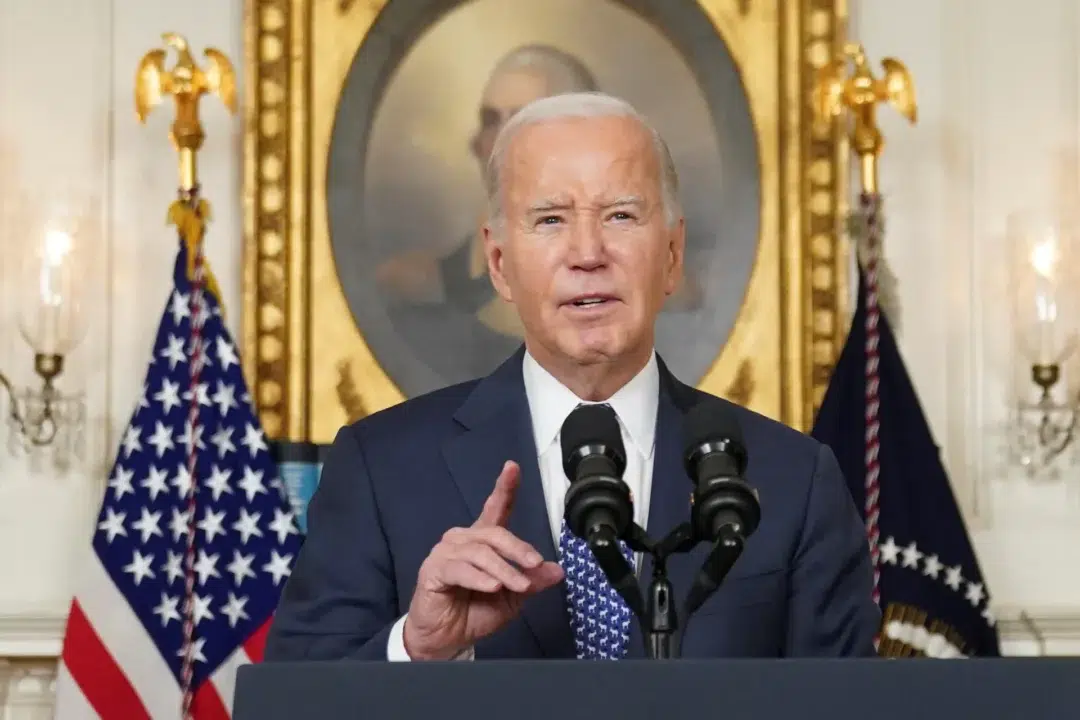
Criticism of Allies: Biden Accuses Japan and India of Xenophobia, Which May Generate Frictions in Bilateral Relations
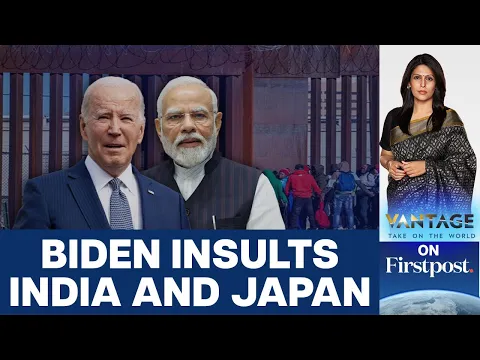
In a recent statement that surprised many international observers, the President of the United States, Joe Biden, harshly criticized the governments of Japan and India. During a campaign event in Washington on Wednesday night, Biden accused both countries of adopting xenophobic stances, comparing them to the migration policies practiced by nations such as China and Russia.
“These countries are xenophobic. They do not want migrants, and this is stalling their economies”, Biden stated, emphasizing that resistance to migration is a factor that weakens nations. These words were spoken in the context of an event dedicated to Asian American Heritage Month, further amplifying the weight of his assertions.

Effects of Migration on the American Economy
According to President Biden, the United States’ openness to migration has been a driver of economic growth in the country. “Our economy grows because we welcome workers who want to contribute”, he said, highlighting the importance of diversity and the multicultural input that migrants bring.
-
Israel finds Hezbollah militarized tunnel over 200 meters long under village, with 4 missile launch shafts, 12 chambers, anti-tank missiles, drones, and weapons depots at a depth of 25 meters.

-
Ukraine launches largest drone attack on Moscow since 2022, Russia claims to have intercepted nearly 200 aircraft near the capital, Kapotnya refinery targeted again, and offensive reignites alert about war reaching the Russian energy heart just a few kilometers from the Kremlin.

-
Truck drivers, freight, and fines from 2022 take center stage in politics: Chamber approves MP with amnesty, mandatory tracking by CIOT, million-dollar penalties, and new minimum wage for those who spend more than 24 hours on the road.

-
China off the radar: US plans mega $30 million weapons depot in Australia, out of reach of most Chinese missiles, with full capacity expected by 2028



This point serves as a veiled criticism of the restrictive policies of his allies, suggesting that xenophobia not only contradicts American values but is also economically damaging.
Contrast with Previous Diplomacy
Biden’s statements mark a notable contrast to his previous comments about the same countries. American diplomacy, historically aligned with Japan since the end of World War II, and increasingly close to India to counter Chinese influence in the Indo-Pacific, has always been marked by praise and reinforcement of strategic alliances.
For example, when hosting Japanese Prime Minister Fumio Kishida at the White House in April, Biden celebrated the alliance as a “powerful proof” of the strength of mutual cooperation. Similarly, in June of last year, the president praised the partnership with India during the visit of Prime Minister Narendra Modi, describing it as one of the most significant globally.
The White House’s Reaction
Following the backlash from his criticism, the White House tried to downplay Biden’s statements. In a press conference on Thursday, National Security Council spokesman John Kirby clarified that “India and Japan know that the president values collaboration and partnership as key allies on strategic and security issues.”
This attempt to soften the impact of Biden’s words reflects the complexity of international relations, where strong statements can create tensions even among long-standing partners.
Diplomacy and Biden’s Public Statements
The recent statements by President Joe Biden regarding Japan and India illustrate the challenges of diplomacy in the modern era, where every word can be scrutinized and have global implications. Additionally, they reveal the tension between maintaining healthy diplomatic relations and addressing internal and external issues frankly.
This episode underscores the importance of careful and measured diplomacy, especially when it comes to essential strategic allies in the contemporary geopolitical architecture.
As they navigate these turbulent waters, Biden and his team will be tested in their ability to balance criticism and cooperation, an act that will define the future of American international relations.





Be the first to react!