






 Portuguese
  Spanish


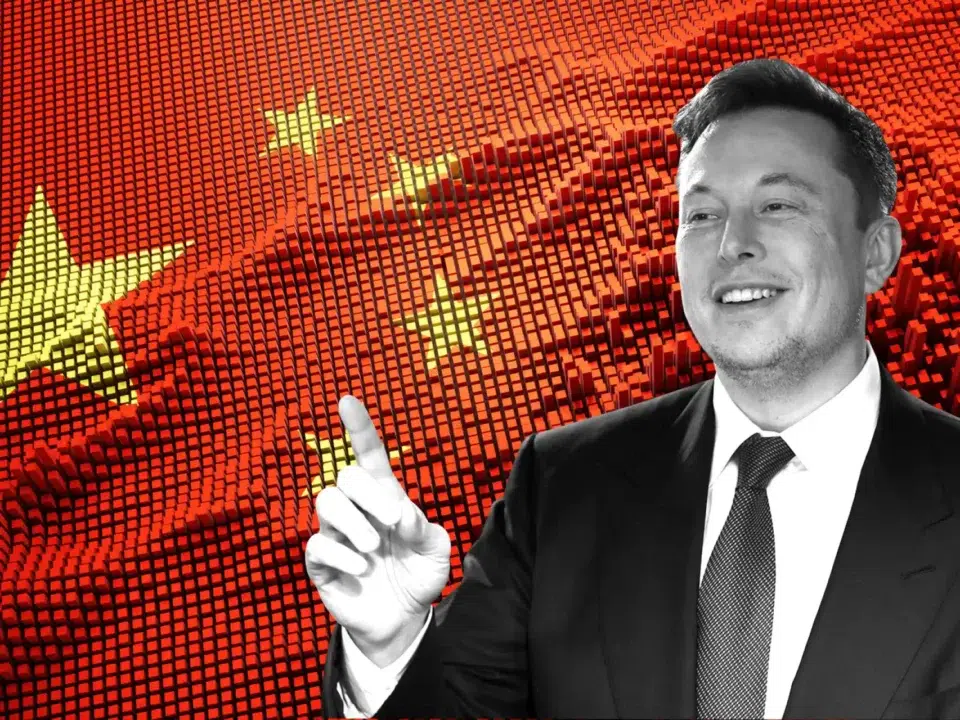
Elon Musk Visited China and Met with the Prime Minister: One Day Later, the Chinese Government Removed Restrictions on Tesla Cars
Elon Musk’s recent visit to Beijing last Sunday, April 28, caused a major stir in the automotive and technology industry. During his stay, Musk surprisingly met with Chinese Prime Minister Li Qiang amid the city’s first major auto show in four years, as reported by CNBC.
This meeting occurred at a crucial moment, as local Chinese authorities removed, on Monday, April 29, the restrictions imposed on Tesla cars manufactured in China after they met the country’s stringent data security requirements.


The new data security requirements for connected vehicles set by China are strict and cover various areas, such as facial recognition data anonymization and transparency in processing personal information. Tesla has been recognized as one of the first manufacturers to comply with these regulations.
-
Toyota Launches First 100% Electric Car in Brazil: bZ4X with 343 HP, All-Wheel Drive, 361 km Range, Priced at $419,990 BRL, Limited to 99 Units

-
Chinese SUV Achieves 24.4 km/l, Outperforms Toyota Yaris Cross in Real-World Tests with 224 hp Hybrid System, Offers 51-Liter Tank for Greater Range, and Costs Up to R$ 5,000 Less.

-
Uber Black Revamps Fleet, Drops Ten Car Models and Sets Deadline for Electric BYD Dolphin
-
Chinese Giant Uses Metal Structures and Cranes to Deliver Over 700 Electric Cars to Brazil


It is important to note that Tesla was not the only company to meet these regulations. Several new energy vehicle manufacturers, such as BYD, Lotus, Nezha, Li Auto, and Nio, also complied with the stringent data security requirements in China. This demonstrates the commitment of the entire automotive industry to user privacy and security protection.
Although Elon Musk’s electric vehicles are very popular in China, they have faced challenges due to concerns over data collection by the American manufacturer. This situation has sparked debates both nationally and internationally, especially regarding the security of data collected by connected vehicles.
Challenges Persist with Tesla’s Full Self-Driving
Moreover, Elon Musk’s visit generated expectations about the availability of Tesla’s Full Self-Driving (FSD) driver assistance software in China. However, some experts point out the challenges the company faces in launching this technology in the country, particularly in a complex and competitive regulatory environment.
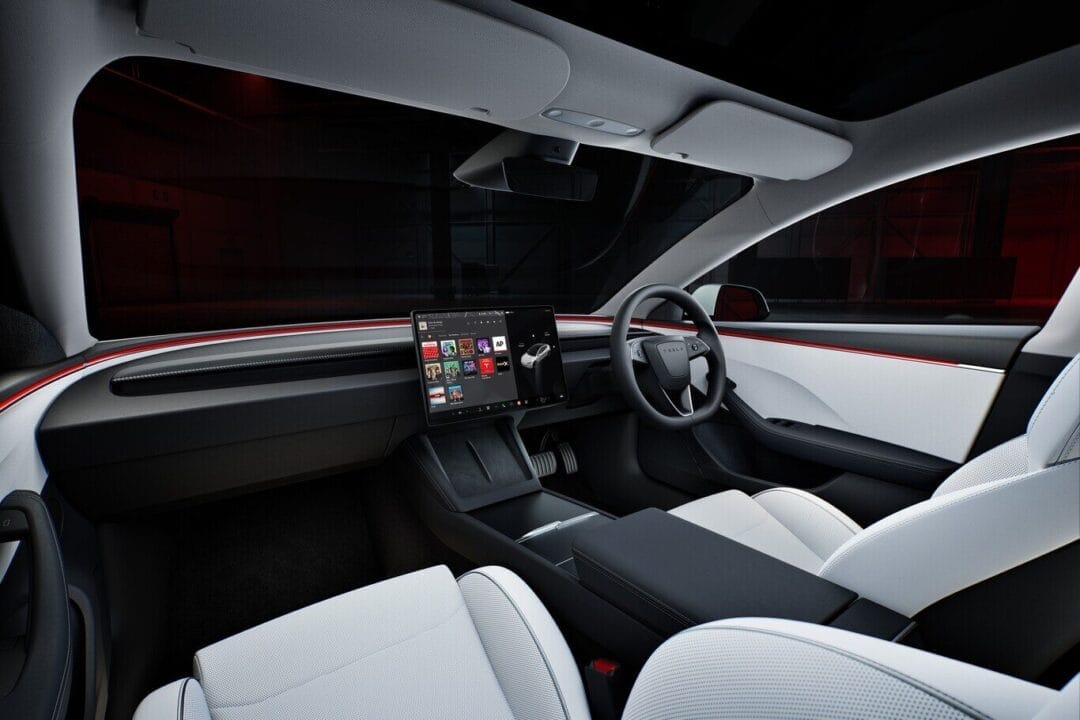
Despite these advancements, Elon Musk’s Tesla chose not to showcase at this year’s Beijing Auto Show, a decision that may be influenced by past incidents during similar events. However, the Chinese Prime Minister’s visit to local companies during the event underscores the strategic importance of the Chinese automotive market in the global industry.
Elon Musk’s visit to China and the recent advancements in the automotive industry highlight the importance of innovation and collaboration in a constantly evolving market. Although challenges persist, the industry is demonstrating its ability to adapt and comply with data security regulations, which is essential to ensure user trust and protection.




Be the first to react!