





 Portuguese
  English
  Spanish
  2 min of reading
  0 comments


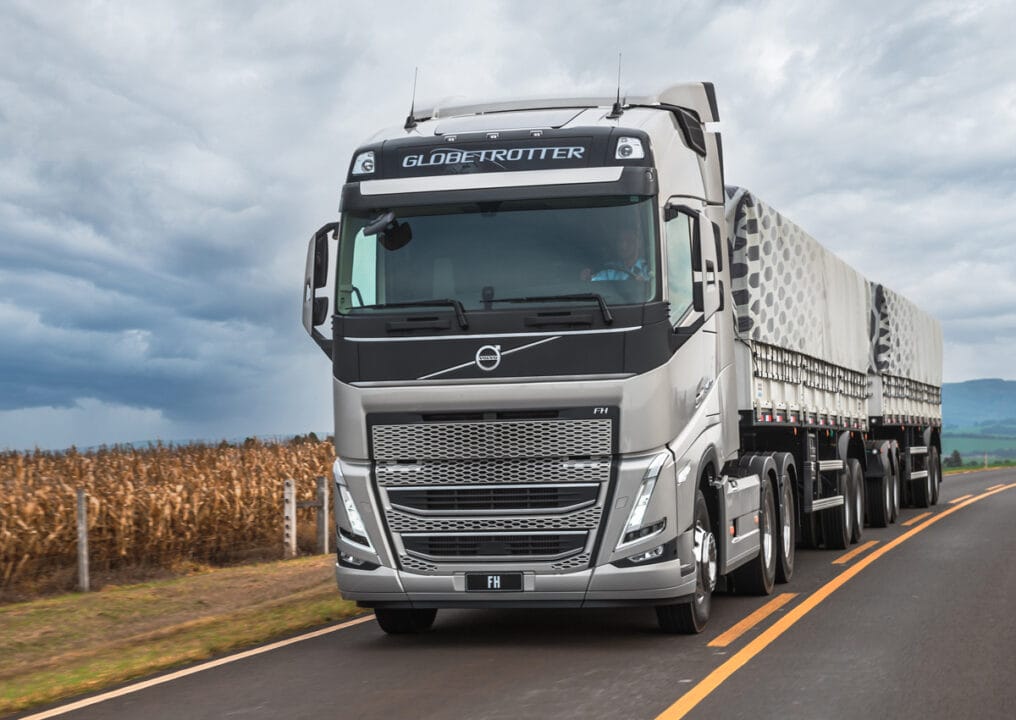
President Lula’s Decision to Veto the Law That Would Eliminate the Hazard Pay Aims to Ensure the Safety of Drivers Working in the Freight Transportation Sector.
President Luiz Inácio Lula da Silva (PT) made an important decision last Friday (11/03) by vetoing a law that would directly affect drivers transporting cargo and passengers. The law, approved by a Senate committee in early October, aimed to eliminate the hazard pay for drivers using vehicles with extra tanks for fuel transportation. The justification for this veto was published in the Official Gazette.
Hazard Pay for Truck Drivers: The Implications of the Presidential Decision
The vetoed text sought to amend the CLT (Consolidation of Labor Laws) and, more specifically, the section addressing hazard pay for certain activities.
One of the situations mentioned in the law is when workers are exposed to flammable materials, explosives, and electricity.
-
It is now official: Correios and AliExpress join forces to speed up deliveries throughout Brazil, enhance package tracking, and strengthen the digital logistics infrastructure that supports the rapid growth of e-commerce in 2026.

-
The truck that “bent physics” in the Monte Carlo case: report indicates impossible route between São Paulo and Mato Grosso, R$ 4 million in recorded refueling, R$ 3 million advanced, and suspicion of entries without real correspondence.
-
ANTT authorizes new electronic tolls without barriers on highways in Paraná and Goiás, expands free flow toll collection, and introduces drivers to a new rule that may result in a fine if the toll is not paid on time.
-
After 5 years stalled by the Supreme Court, the R$ 9 billion Ferrogrão railway is back on track to connect Sinop to Miritituba over 933 kilometers, transport grains by rail, and cut 50% of CO2 emissions from Brazilian agribusiness.


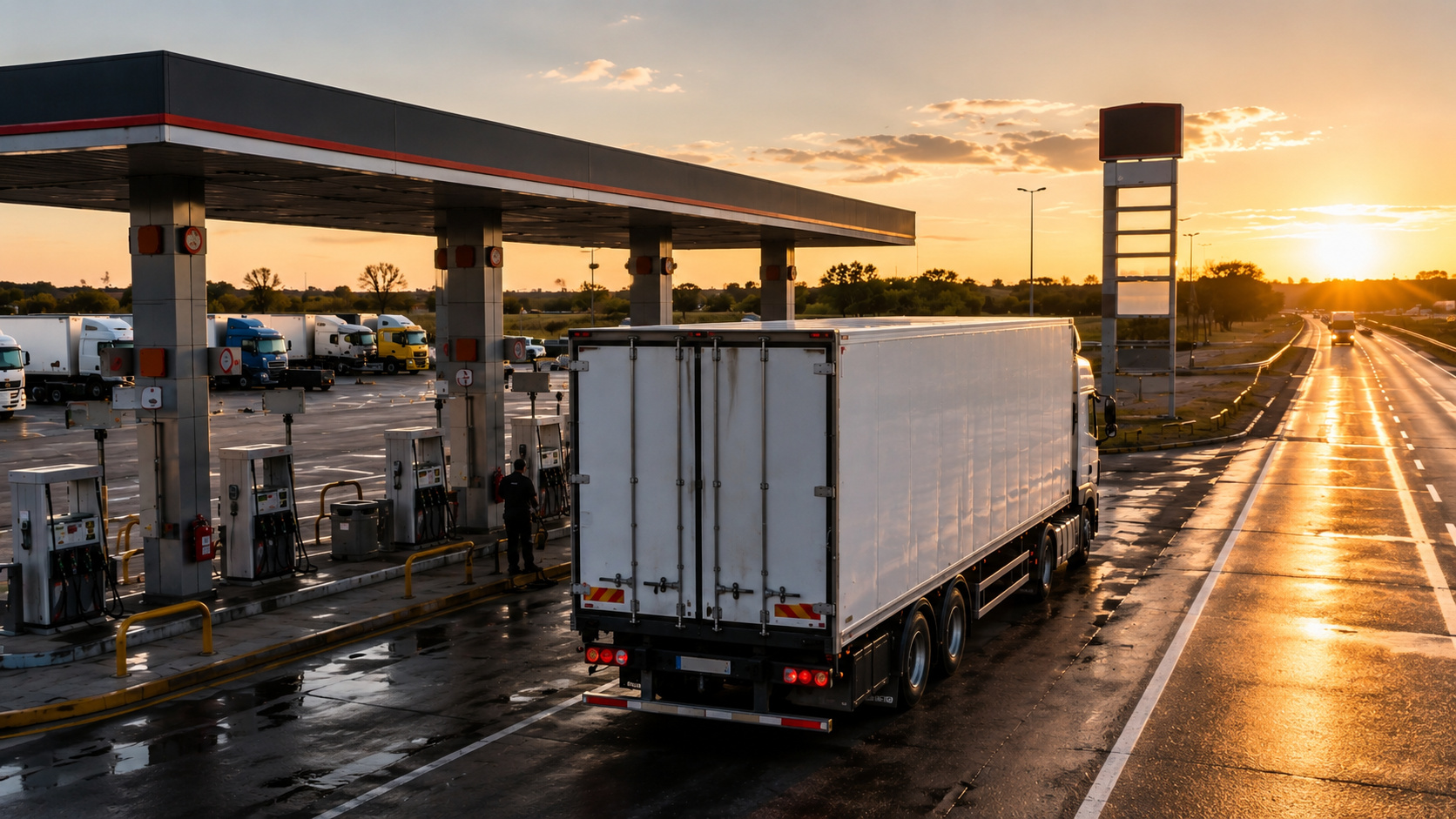

However, the law included an important observation: this pay would not apply if the vehicles had extra fuel tanks certified by the competent authority.
Although the bill addressed various situations, it generated controversy, especially among freight transport drivers.
This occurred due to the fact that some vehicles use extra fuel tanks to extend autonomy.
In recent decisions, Labor Court had recognized that extra tanks with a capacity exceeding 200 liters exposed drivers to risky situations, resulting in the payment of hazard pay.
The law approved by Congress aimed to eliminate this possibility.
Lula Points Out Lack of Objective Criteria in the Vetoed Legislation
President Lula, in justifying the veto, pointed out that the law lacked “objective criteria and parameters” to determine when the presence of flammable materials in specific quantities would be deemed dangerous.
In his words, “the legislative proposal contradicts the public interest, as it would establish, in law, scenarios for the decharacterization of the hazardous nature of activities and operations without indicating, in an objective manner, criteria and parameters for the quantities of flammable liquids or liquefied gases that may be transported in order to ensure the protection and safety of workers in the freight and passenger transport sector, in disagreement with the provisions of labor legislation.”
With information from Chamber of Deputies.








Be the first to react!