Portuguese
  Spanish


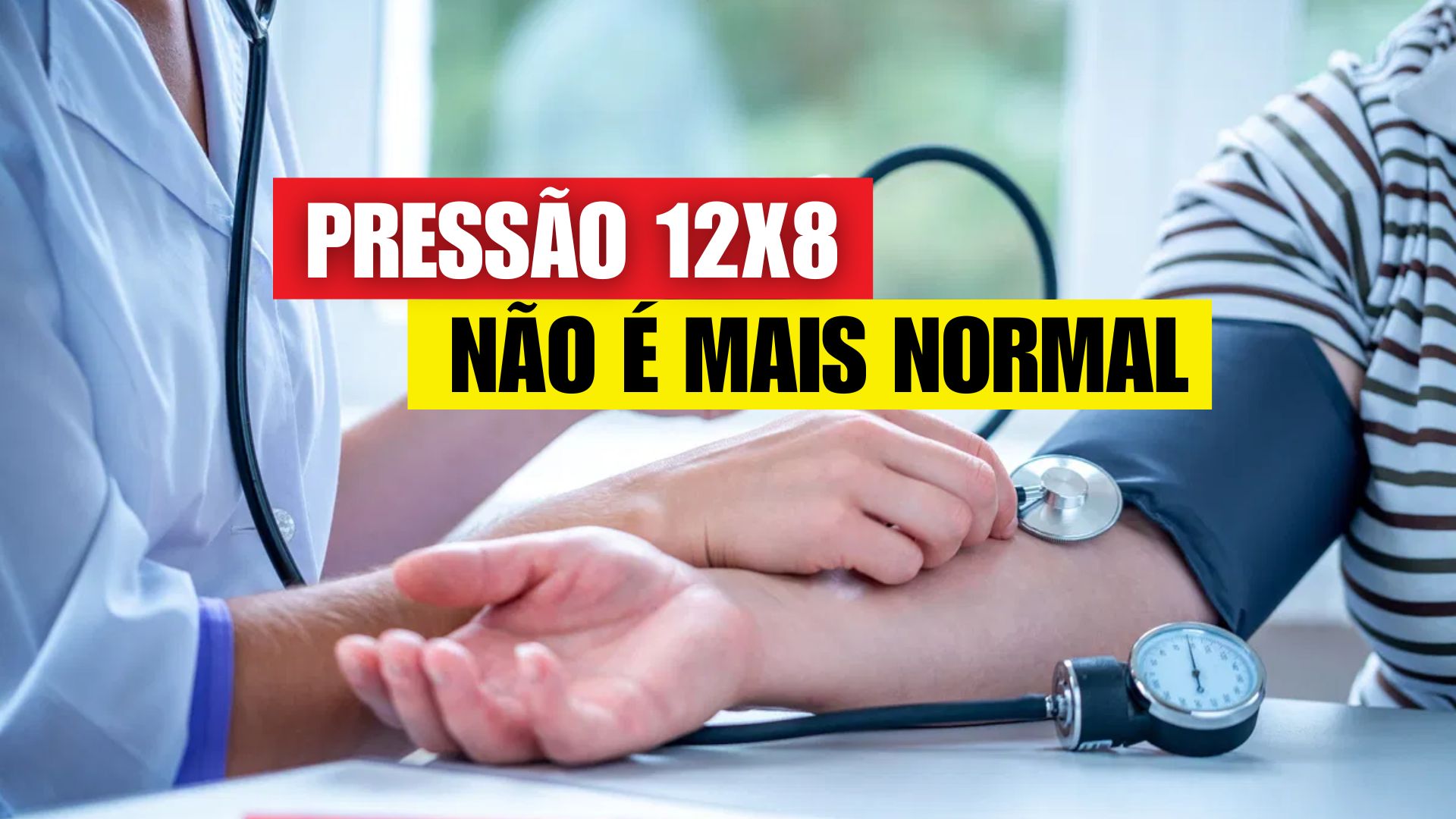


New Guideline from Three Brazilian Medical Societies Redefines Blood Pressure Limits, Tightens Treatment Goals, Creates Cardiovascular Risk Score, and Includes Chapters Focused on SUS and Women’s Health.
The way to classify blood pressure has changed in Brazil.
Values previously considered within normal range, such as 12 over 8 (120/80 mmHg), are now classified as pre-hypertension.
The update is part of a new guideline published jointly by the Brazilian Society of Cardiology (SBC), the Brazilian Society of Nephrology (SBN), and the Brazilian Society of Hypertension (SBH).
-
During the routine drainage of a lagoon in England, an employee found the nearly complete skeleton of a 10-meter, 180-million-year-old “sea dragon,” the largest and most complete marine reptile ever discovered in the United Kingdom.

-
A college in Peru turned a street billboard into a ‘factory’ for drinking water that pulls moisture from the air: in three months, the panel produced almost 9,500 liters in one of the driest capitals on the planet.
-
The coast of Pernambuco has more than a dozen deliberately sunken ships at the bottom of the sea, and what started as a junkyard has become one of the largest wreck diving parks in Brazil, a refuge for turtles and schools of fish.
-
A woman left São Paulo to help her 88-year-old father in the hinterland of Paraíba, found the abandoned family farm, switched cassava and cattle for organic fruits, and harvested 24 tons of melon and watermelon in the semi-arid region, proving that tradition, irrigation, and planning can transform forgotten land into a sustainable business.




The document was presented on September 18, during the 80th Brazilian Congress of Cardiology, and brings changes that directly impact both medical care and the routine of millions of Brazilians.

New Blood Pressure Limits
Until now, the range between 12 over 8 and 13.9 over 8.9 was described as “borderline normal.”
With the revision, this interval is now classified as pre-hypertension.
The intention is to draw attention to the cardiovascular risk already at this early stage, before hypertension is established.
Doctors should advise patients in this range to make lifestyle changes and, depending on clinical history, may prescribe medications.
The guideline follows a similar trend to the European one: in 2024, the European Society of Cardiology also redefined 12 over 8 as “elevated pressure”.

More Stringent Treatment Goals
Another significant change is in the target therapeutic.
Until then, maintaining blood pressure below 14 over 9 (140/90 mmHg) was considered satisfactory.
Now, the recommendation is more stringent: all hypertensive patients should aim for levels lower than 13 over 8 (130/80 mmHg), regardless of age, sex, or presence of other diseases.
According to specialists, lowering the limit helps prevent serious complications such as heart attack, stroke, and kidney failure.
For patients who cannot tolerate such intense reductions, the guidance is to achieve the lowest possible value without compromising clinical safety.
Global Cardiovascular Risk Score
For the first time, the Brazilian guideline includes a system to evaluate not only blood pressure numbers but also the global cardiovascular risk.
The PREVENT score has been incorporated, which calculates the probability of a patient experiencing a cardiovascular event in the next ten years.
This calculation takes into account factors such as obesity, diabetes, high cholesterol, and damage to organs such as the heart and kidneys.
Based on the result, doctors should adopt more intensive approaches for high or very high-risk patients, bringing clinical practice closer to what is called precision medicine.
Protocols Focused on SUS
The text also innovates by dedicating a chapter to the Unified Health System (SUS), responsible for serving about 75% of hypertensives in the country.
The guideline instructs primary care doctors and nurses to prioritize medications already available in the network, organize multidisciplinary follow-up, and encourage monitoring tests, such as MAPA (ambulatory) and MRPA (residential), when feasible.
The goal is to reduce regional inequalities and provide a practical guide applicable to the reality of public health units.
Women’s Health in Focus
Another unprecedented chapter addresses specific situations in the female universe.
The guideline warns of periods of greater vulnerability to hypertension and details follow-up protocols.
Before prescribing contraceptives, it is recommended to measure blood pressure and maintain regular monitoring.
In pregnant women, medications like methyldopa and some calcium channel blockers (long-acting nifedipine and amlodipine) should be prioritized for having greater safety.
In the peri and postmenopause, phases in which blood pressure tends to rise, follow-up should be closer.
Women with a history of hypertension during pregnancy need prolonged surveillance, as this history increases the cardiovascular risk in the future.
Reinforced Practical Recommendations
In addition to the changes, the document reiterates well-known but essential guidance for blood pressure control.
Among them are weight loss, reduction of salt intake, potassium-rich diet, adoption of the DASH dietary pattern, and regular physical exercise.
In medication therapy, most patients should start treatment with a combination of two drugs at low doses, preferably combined in a single tablet.
Among the recommended classes are thiazide diuretics, ACE inhibitors, angiotensin receptor blockers, and calcium channel blockers.
The new goal of 13 over 8 also applies to people with diabetes, obesity, kidney failure, coronary artery disease, and patients who have had a stroke.
Impact of Hypertension in Brazil
Hypertension is silent and continues to be one of the biggest public health problems.
Data from the Brazilian Society of Hypertension shows that 27.9% of Brazilian adults live with the condition.
Only one-third manage to keep their blood pressure within the levels considered adequate.
The update of the guidelines, therefore, expands the number of people classified as at risk and requires greater clinical vigilance.
The challenge now is to ensure that the recommendations move from paper to the reality of clinics and basic health units.
If more Brazilians are classified as pre-hypertensive, will it be possible to improve prevention, or will it simply increase early medicalization?