Portuguese
  Spanish


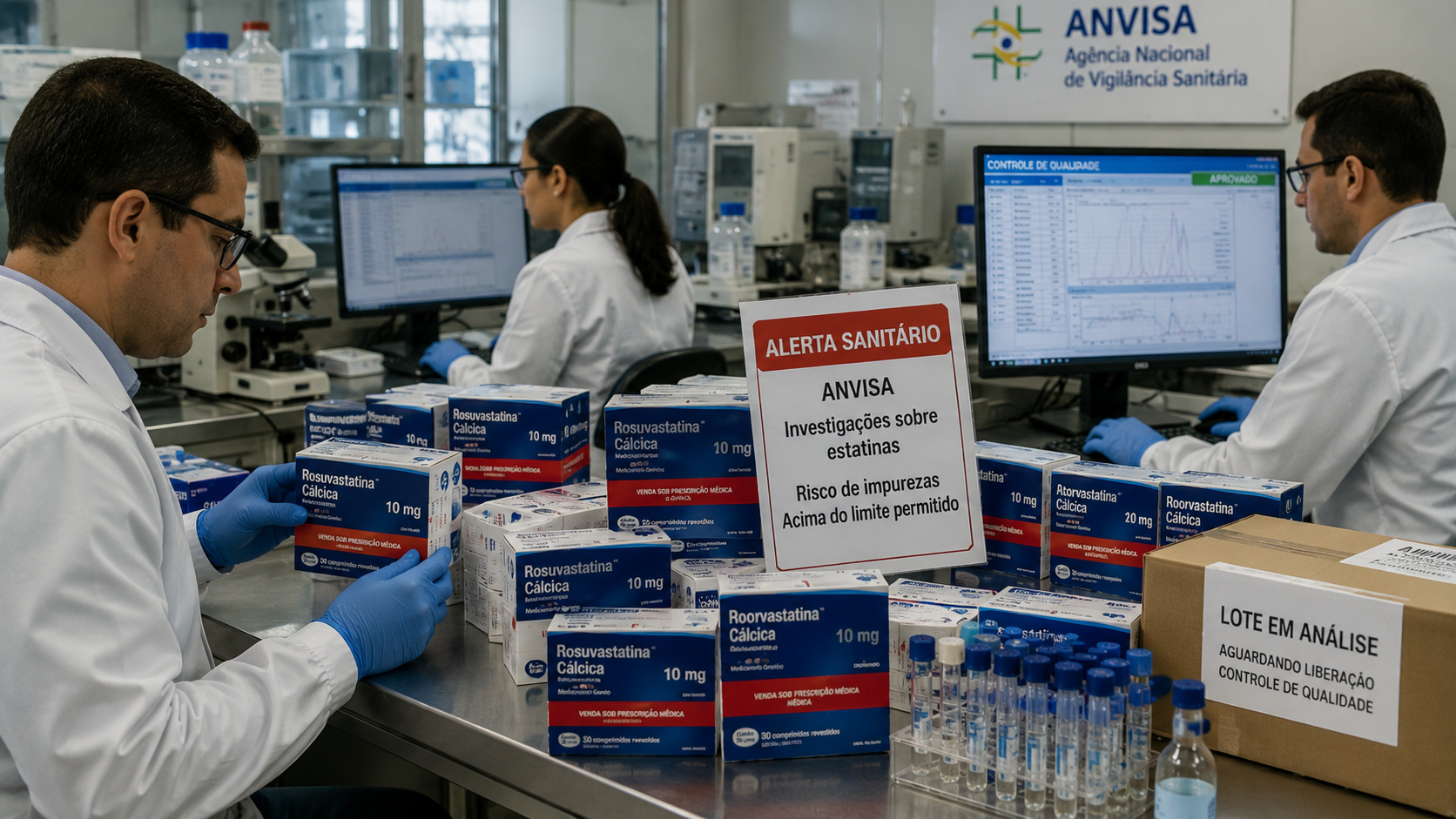

According to the official statement, the measure involves the medications atorvastatin calcium 40 mg and rosuvastatin calcium 20 mg, both manufactured by Cimed. Additionally, the agency identified suspected packaging failures of the products, which raised the alert level among health authorities and consumers.
Specific batch targeted by Anvisa after suspected packaging swap
Anvisa focused the recall on batch 2424299 of the medications atorvastatin calcium 40 mg and rosuvastatin calcium 20 mg.
According to the agency, packages identified as atorvastatin may contain units of rosuvastatin. This possible mix-up prompted the immediate suspension of the sale, distribution, and use of the products.
-
400 km² of Greenhouses in Almería, Spain, Astonish American Visitor by Producing Millions of Tons of Produce for Cold-Weather Markets

-
Antarctic Volcano Emits Microscopic Gold Particles That Travel Up to 1,000 Kilometers Across the Continent
-
Little-known Japanese factory is the world’s largest zipper manufacturer, producing 7 billion pieces annually and closing half the world’s pants.

-
Brazilian Factory Recycles One-Third of the Country’s Styrofoam Waste, Matching European Levels with 51,000 Tons Reused Since 2007


Furthermore, Anvisa reported that the situation violates Article 4 of RDC 658/2022, a regulation that establishes rules for good practices and quality control for medications sold in Brazil.
Cimed itself initiated the voluntary recall after detecting the suspected swap between the medication cartons.
Medications are used by thousands of Brazilians in cholesterol treatment
Atorvastatin and rosuvastatin belong to the class of statins. Doctors use these drugs to reduce LDL cholesterol, known as bad cholesterol, and decrease the risk of cardiovascular diseases.
Additionally, the medications help control triglycerides and contribute to raising HDL levels, known as good cholesterol.
Many patients use these medications daily. Therefore, any packaging or identification failure can compromise treatment and pose health risks.
Experts warn that labeling errors require a quick response from health authorities and manufacturers.
Anvisa advises consumers to immediately check batches
Anvisa recommends that patients check the batches of medications stored at home.
If the product belongs to batch 2424299, the consumer should stop using it and seek medical or pharmaceutical advice.
Additionally, the agency advises patients to contact the manufacturer or the establishment where they purchased the medication for information on returns and replacements.
The decision also reignited debates about oversight, traceability, and quality control within the Brazilian pharmaceutical industry.
Even as a preventive measure, the case increased concern among patients who use continuous medications for cholesterol control and cardiovascular disease prevention.
Do you usually check the batch, expiration date, and packaging information before taking medications in your daily life?