






 Portuguese
  Spanish
 3 min of reading
  0 comments


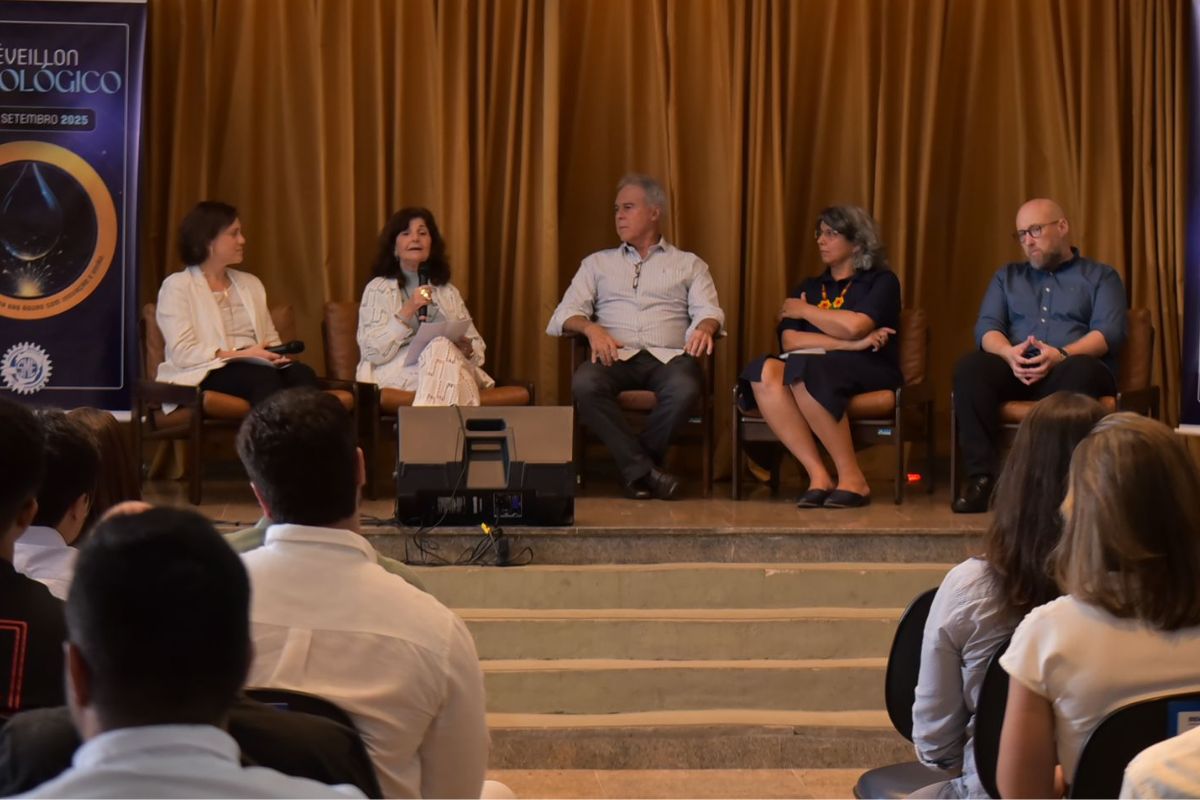
The Geological Service of Brazil Combines Its Experience with an Innovative Project in Minas Gerais That Unites Science, Energy, and Civil Defense to Strengthen Disaster Prevention. The Observatory AtuAção Aims to Transform Technical Data into Practical Actions for Vulnerable Municipalities
Disaster prevention in Minas Gerais has gained a new dimension with the launch of the Observatory AtuAção during the traditional Hydrological New Year, held on the last day of September, according to a report published.
The initiative, led by the Mineiro Society of Engineers (SME), combines science, technology, and strategic institutions for the safety of the population.
The Geological Service of Brazil (SGB), responsible for operating 80% of the National Hydrometeorological Network (RHN), is one of the main partners.
-
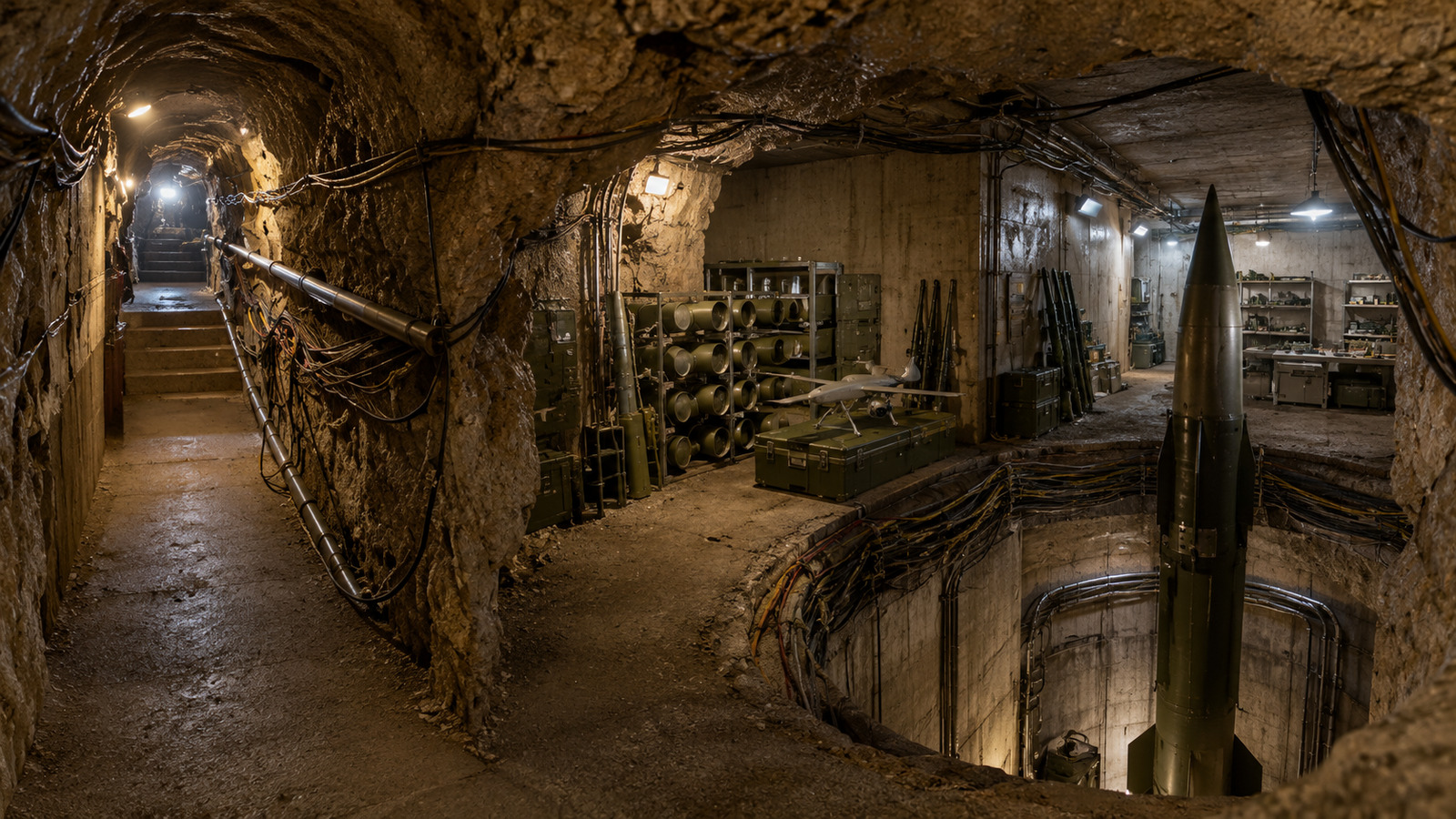
Israel finds Hezbollah militarized tunnel over 200 meters long under village, with 4 missile launch shafts, 12 chambers, anti-tank missiles, drones, and weapons depots at a depth of 25 meters.

-
China could reduce iron ore imports from 80% to 50% of consumption by 2030, while its share in global steel production falls from 52% to 46%, in a shift that could reshape the global market, says CMRG.

-
Brazil is sitting on one of the largest lithium reserves in the world, in the Jequitinhonha Valley, but national mining has almost become an appendage of China: 97% of the metal’s export goes to a single country, which also dominates refining.
-
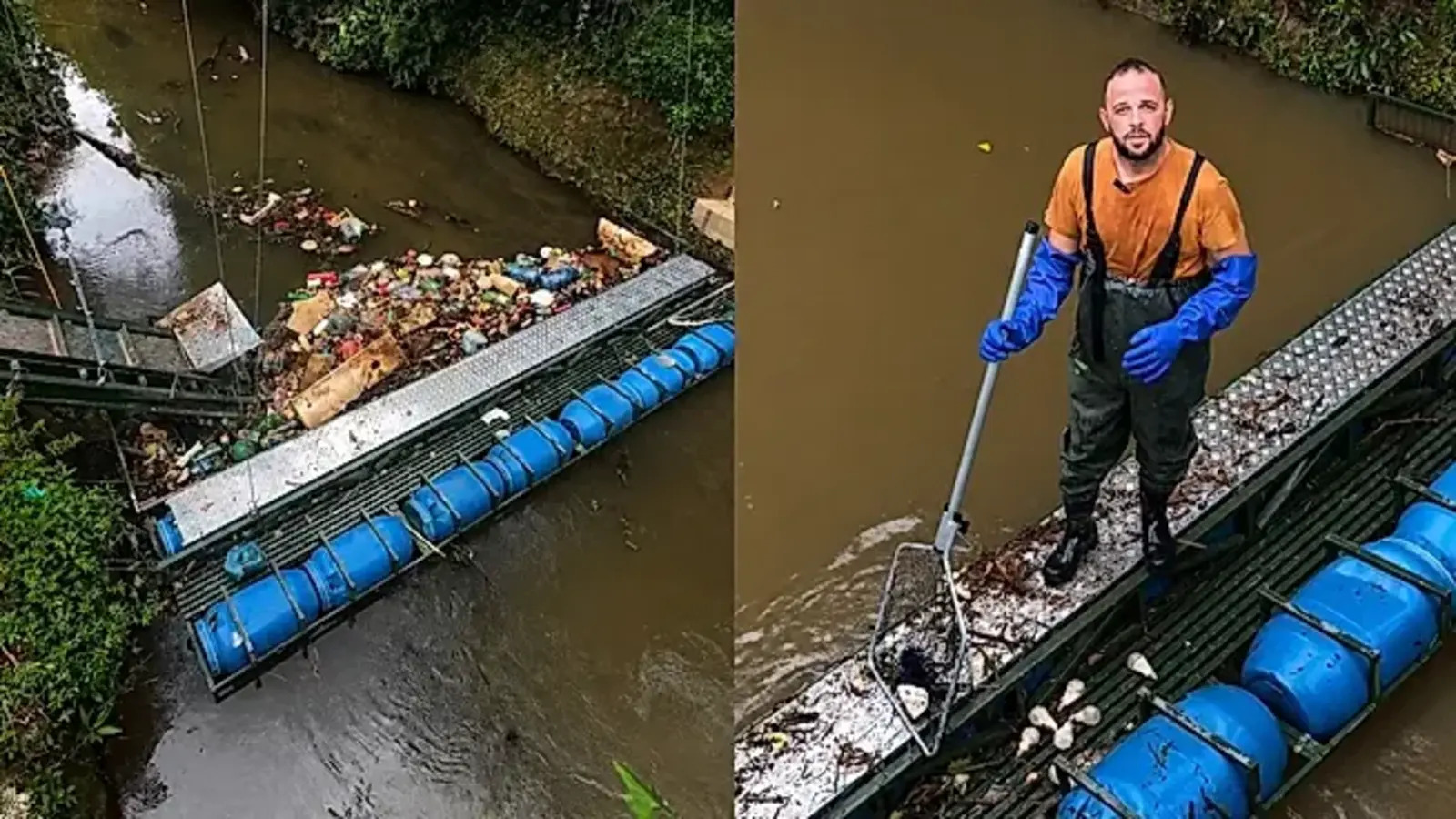
Brazilian promises his children to save a river, creates an eco-barrier in his backyard, has already removed more than 40 tons of trash from the water, and even inspires the idea in other states of the country.


Minas Gerais, a state that annually experiences flooding and inundation, now has a platform that translates technical information into practical action protocols.
The pilot project starts in Barbacena and may serve as a model for other regions of the country.
Mining and the Impact on Risk Prevention
Mining, a major activity in Minas Gerais, is directly connected to the Observatory AtuAção through the Brazilian Mining Institute (IBRAM).
The sector’s involvement seeks to integrate technical knowledge and social responsibility in the face of disasters.
The SGB is already active in 1,800 Brazilian municipalities with risk area mapping, providing essential support to identify and prevent accidents in mining and urban areas.
In Minas, hydrological alert systems monitor basins such as those of the Doce, Velhas, and São Francisco rivers, vital for communities living near mineral exploration areas and hydrological risk.
Energy as an Ally Against Natural Disasters
Another highlight is the presence of the Energy Company of Minas Gerais (Cemig), which is part of the Observatory’s support network.
The company reinforces the link between the energy sector and disaster prevention, as interruptions in electricity supply are common during flood periods.
With shared technical data and unified protocols, municipal managers gain access to strategic information to mitigate risks and preserve lives.
The president of SME, Virgínia Campos, emphasized that uniting energy, mining, geology, and civil defense strengthens the resilience of municipalities in the face of climate change.
Civil Defense and Integrated Community Training
The Civil Defense of Minas Gerais is also a key player in the project. With the digital platform, local managers and community leaders will have easier access to risk maps and action protocols.
In-person and online courses offered by the SGB in partnership with institutions such as the Getúlio Vargas Foundation (FGV) and the Virtual School of Government (EVG) ensure ongoing training for technicians and volunteers.
This training is essential for vulnerable communities to know how to react quickly and safely in emergency situations, expanding the network of social and community protection throughout the state.
Climate Change and the Urgency for Practical Solutions
Climate change is exacerbating the intensity and frequency of natural disasters in Brazil. In Minas Gerais, where the rainy season begins in October, cities face annual urban floods that affect thousands of families.
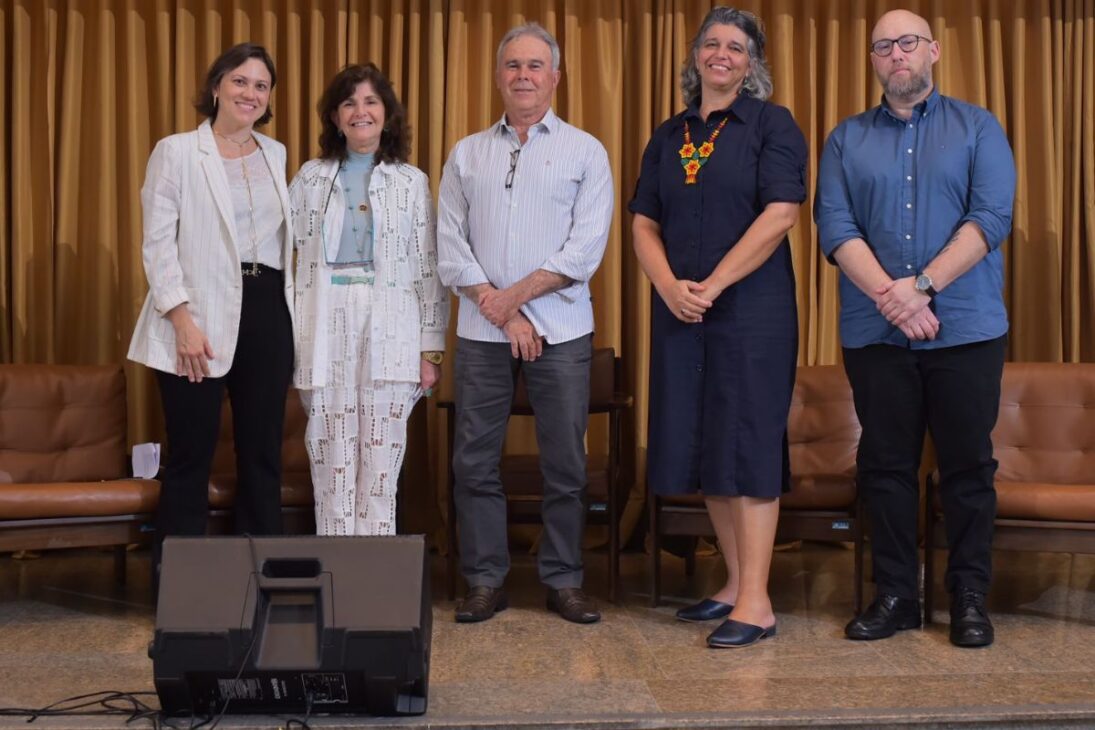
During the event, specialists from different areas, including representatives from Vale and professors from the Federal University of Minas Gerais (UFMG), highlighted that science should serve practical solutions.
As noted by the regional superintendent of the SGB in Belo Horizonte, Marlon Coutinho, this is the first integrated experience in the state, with the potential to become a reference throughout the country.






Be the first to react!