






 Portuguese
  Spanish


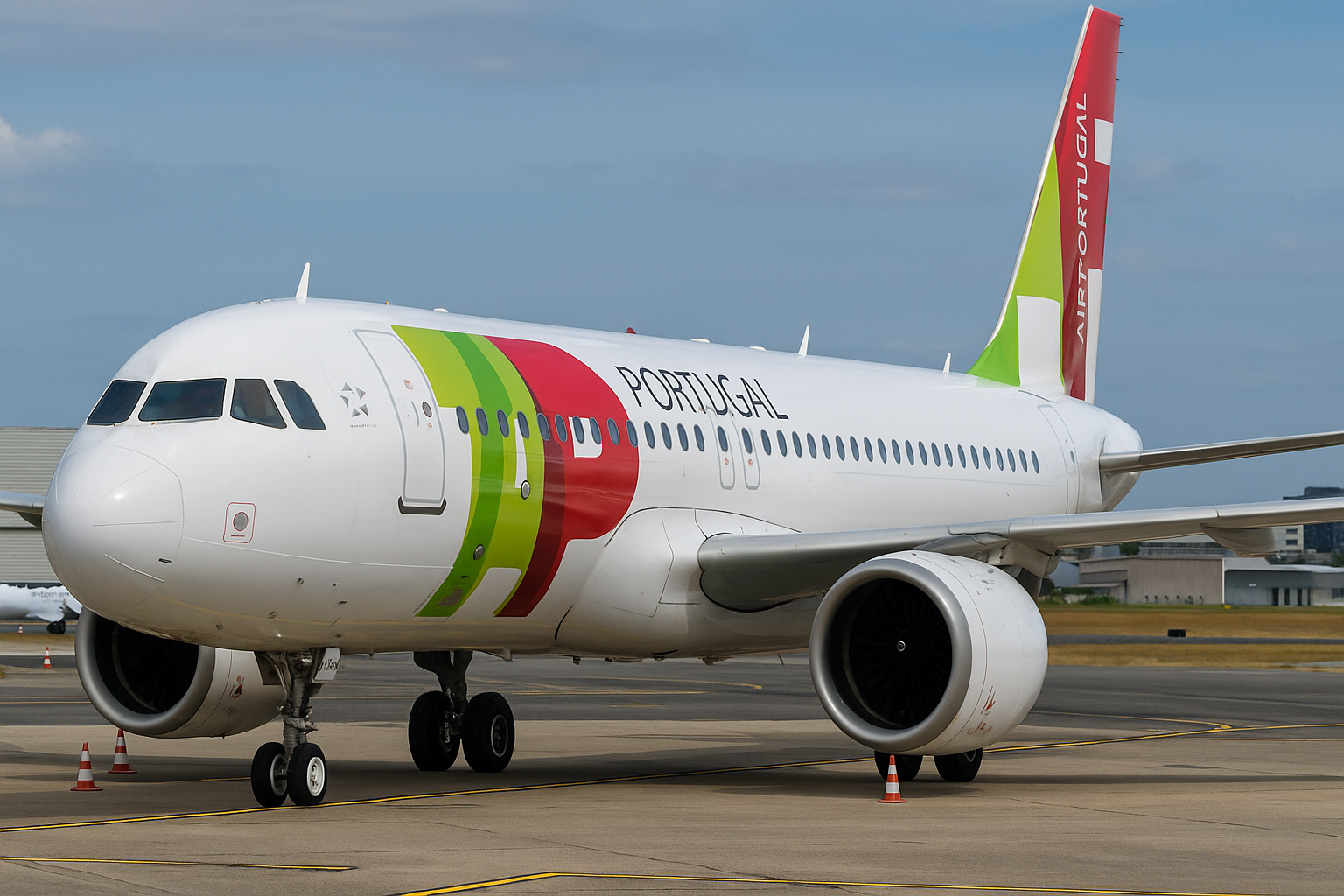
Privatization of TAP Advances with Dispute Among Three Giants of Air Transport and New Stages of Investments and Changes.
Privatization of TAP Enters Decisive Moment with Three Giants of Air Transport in Dispute
The privatization of TAP entered this Saturday into the most critical phase, as Air France-KLM, Lufthansa, and IAG confirmed formal interest and closed the deadline for expressions of interest.
Parpública immediately began analyzing the applications in Lisbon, as the Government wants to accelerate the changes and attract new investments to strengthen European air transport. Thus, the process advances under strong political pressure and high expectations about the company’s future.
With the interest consolidated, the Portuguese Government is now observing which group will have the better capacity to modernize TAP, strengthen routes, and boost profitability. Additionally, this phase marks the beginning of a strategic competition that may alter the balance of major international networks.
-
Brazil Welcomes Spanish Wamos Air and Nigerian Air Peace, Potentially Transforming International Routes and Increasing Competition

-
Offshore air transport soars in Brazil, surpasses 2.5 million passengers, and reveals how oil has transformed Rio’s airports into key pieces of national logistics.

-
Latin America becomes the “global champion” of aviation taxes, tickets may become more expensive in Brazil, and IATA’s warning exposes risk for flights, tourism, and passengers.
-
Brazil has lost 85 air routes since 2019 and is still flying less than before the pandemic, leaving passengers with fewer destinations, fewer frequencies, and a more limited air network.



Three Groups Confirm Interest and Raise the Competition in Air Transport
By 4:59 PM, the three companies had officially submitted their letters of interest, consolidating a rare competition within the sector. Thus, Air France-KLM, Lufthansa, and IAG place TAP at the center of global air transport attention.
This movement occurs because the TAP controls strategic corridors between Europe, Brazil, and Africa, which enhances its competitive value. Furthermore, the company shows financial results that inspire confidence, further increasing the groups’ appetite.
Parpública Begins Technical Evaluation and Prepares Next Stage
Parpública now has 20 days, until December 12, to analyze the documents and confirm if each interested party meets the terms of reference. During this phase, the agency checks financial robustness, operational capacity, and investment projections.
Once the report is completed, Parpública will invite the approved candidates to submit non-binding proposals, within a period of up to 90 days. These proposals should present acquisition price, funding sources, and modernization plans for TAP.
Moreover, each group must detail investments in fleet, maintenance, engineering, sustainable fuels, and labor commitments, which increases the strategic weight of the stage.
Process Advances with Binding Proposals and Final Report
After receiving the non-binding proposals, Parpública will have 30 days to prepare a new report. However, the deadline may be suspended if there are requests for clarification. After that, the document will be sent to the Council of Ministers.
Consequently, the Government will invite the selected candidates to present binding proposals, once again within a period of up to 90 days, although the ministry can shorten this period. At this time, the companies will define final values, targets, and operational commitments.
Following submission, Parpública will analyze the documents in yet another report of 30 days, extendable with justification. From there, the Government will choose the winning proposal or initiate a round of improved final offers.
Signing of Contracts Paves the Way for Internal Changes
Once the Government defines the buyer, the Council of Ministers will approve the sales contract drafts. Subsequently, the buyer will have 15 days to sign the documents and complete this essential phase of privatization.
Shortly thereafter, the State will call for a general assembly of TAP to validate decisions necessary for the new industrial plan. Thus, the company prepares to implement the changes outlined in the winning project.
The Government estimates that the entire process will take about a year, as it depends on regulatory approvals that may alter the pace of the transaction.
Model Envisions Sale of Up to 44.9% with Reservation for Workers
The privatization plan puts up to 44.9% of TAP’s capital for sale. In addition, the Government reserves 5% for workers, guaranteeing the right of first refusal to the buyer if the tranche is not fully subscribed.
Government Reacts Enthusiastically to European Interest
The Minister of Infrastructure, Miguel Pinto Luz, celebrated the movement and stated:
“The strong and robust results” of TAP demonstrate that the company “is an attractive company”.
He added:
“The Government looks favorably on what was already predictable”, while highlighting the interest of the three largest European groups.
The minister refrained from commenting on details before the official deadline ends.








Be the first to react!