Portuguese
  Spanish


With high interest rates, frozen MEI limit, and new hybrid Simples Nacional regime, entrepreneurs need to review prices, credit, and systems to avoid losing competitiveness during the transition starting in 2026 nationwide
The Tax Reform creates an environment of strong attention for small Brazilian entrepreneurs in 2026, even without direct changes to Simples Nacional rates, due to the hybrid regime, high interest rates, and the risk of losing competitiveness.
Tax Reform changes the logic of Simples Nacional
The economic scenario of 2026 demands immediate planning from small entrepreneurs. The gradual implementation of the Tax Reform and the maintenance of high interest rates increase pressure on those who depend on short margins, working capital, and predictability to sell.
In Simples Nacional, rates do not change directly this year. Complementary Law No. 214/2025, however, already causes collateral effects on the operation of businesses under this regime.
-
Brazil’s Central Bank’s Tight Monetary Policy Risks Stifling Both Production and Demand Amid High Inflation and Fiscal Imbalance

-
Over a Century After the Sinking, US Takes Legal Action to Stop Auction of Over 100 Titanic Artifacts

-
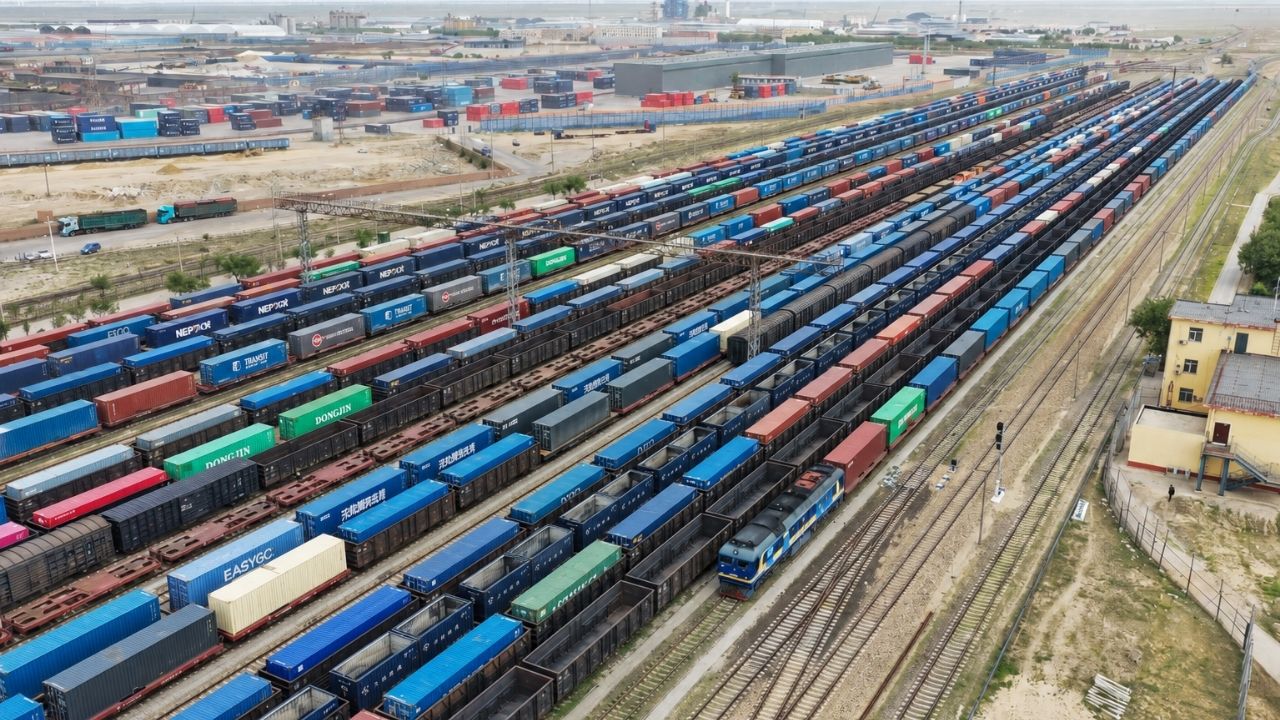
Chinese Rail Port in Inner Mongolia Surpasses 25,000 China-Europe Trains, Connecting 75 Routes Across Over 10 Countries, Showcasing Central Corridor as a Strong Land Alternative to Long Sea Routes
-
Brazilian State Government Establishes New Fire Brigade Battalion with $74 Million Investment



The creation of a hybrid model presents entrepreneurs with a choice: continue in the traditional format or collect taxes separately to allow clients to take advantage of tax credits.
Competitiveness depends on tax credits
This decision primarily affects business-to-business sales. Those who do not adapt to the new credit flow may lose ground to larger competitors, with greater capacity to generate full credit for buyers.
Guidelines from the Ministry of Entrepreneurship indicate special attention for services and wholesale in the city.
The dispute no longer involves only price, terms, and service, but also how the tax appears in the operation.
Business buyers tend to prefer suppliers capable of generating full credit. For small businesses, this can directly impact negotiations and reduce attractiveness compared to more structured companies.
Services and commerce face greater pressure
The service sector appears among the most pressured. Its main costs, such as payroll, do not generate tax credits in the new system, which limits compensation within the new fiscal logic.
Experts point out that the net tax burden could rise significantly. The direct effect is a reduction in profit margins, which are already tight for many small businesses.
Projections indicate that the dual VAT could reach 28.5%. At the same time, the coexistence of old and new taxes between 2026 and 2032 increases bureaucracy and demands more operational control.
Small entrepreneurs: High interest rates hinder working capital
The Selic rate at high levels makes working capital in the free market prohibitive for many entrepreneurs. This barrier limits expansion, stock replacement, hiring, and investment in improvements.
To reduce this bottleneck, the federal government and partner institutions launched credit-oriented programs.
The proposal is to try to ease financing difficulties and keep production running in the country.
MEI ceiling worries those who want to grow and small entrepreneurs
The MEI revenue limit remains frozen at R$ 81,000 annually. Without inflation adjustment or the new parameters of the Tax Reform, many professionals may be unenrolled even with slight growth.
Migration to a Micro-enterprise suddenly increases operational and tax costs. Therefore, monthly revenue monitoring becomes essential to plan the transition without compromising cash flow.
Preparation for 2027 begins in 2026
The obligation to highlight IBS and CBS on invoices only begins in 2027. Nevertheless, systems, prices, controls, and accounting support need to be adjusted in 2026 to avoid errors.
Reviewing tables, monitoring the official transition calendar, and seeking credit tools will be decisive measures to protect margins during the national fiscal adjustment.
With information from Estado de Minas.