






 Portuguese
  Spanish
  4 min of reading
  0 comments


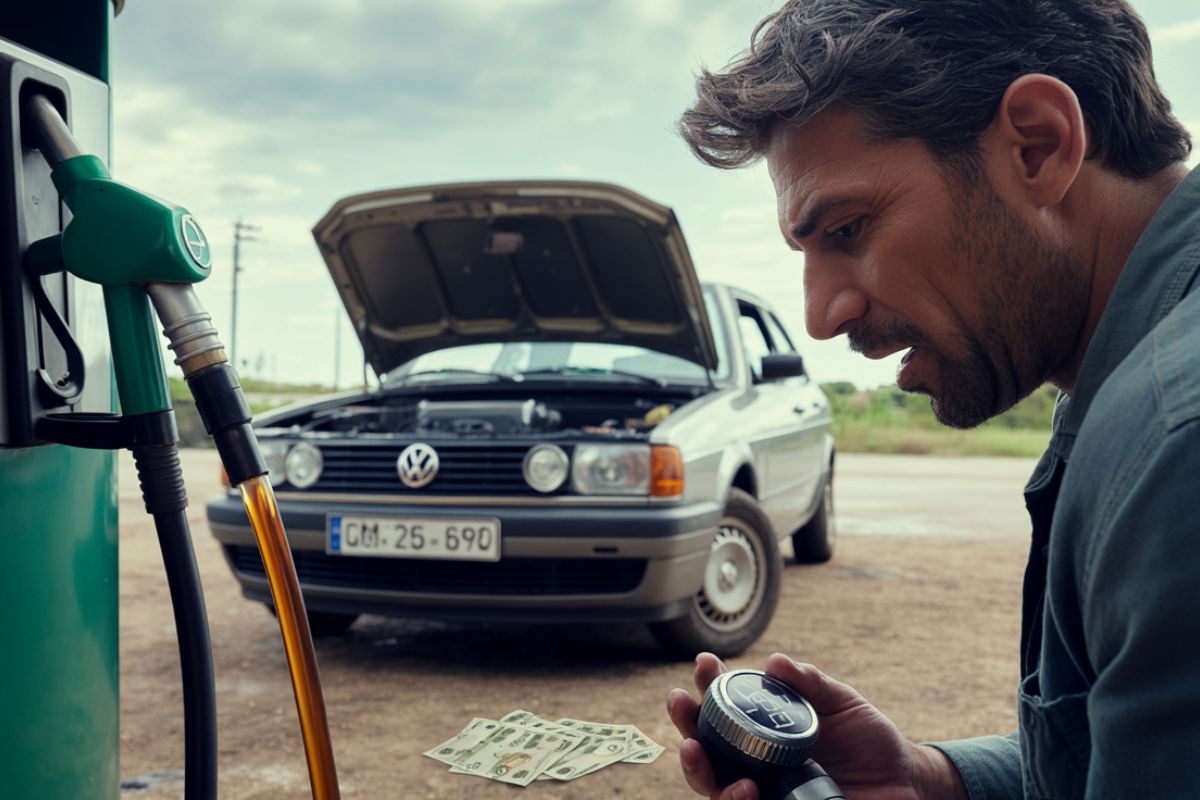
From Adulterated Pumps to Payment Frauds: Know How Poor Quality and Illegal Practices Involving Brazilian Gasoline Affect Your Wallet and Safety, and What to Do to Avoid Being the Next Victim.
The simple act of refueling the car has turned into a minefield for the consumer. The problem with Brazilian gasoline goes far beyond the price at the pump; it involves a series of sophisticated scams that harm drivers, damage vehicles, and put everyone’s safety at risk. Data from the National Agency of Petroleum, Natural Gas and Biofuels (ANP) shows that reports of irregularities at gas stations have increased, revealing a troubling scenario.
While you think you are filling up the tank, you may be falling victim to frauds that range from the amount of fuel injected to the quality of the product. These schemes have evolved to the point of becoming nearly invisible, deceiving even regulatory authorities and demanding increasingly vigilant action from consumers to avoid financial and mechanical losses.
The “Open Bar” of Scams at Gas Stations
Frauds at gas stations are varied and can occur at any stage of the refueling process. Knowing the main ones is the first step in defending yourself.
-
Drivers are falling for these scams without realizing: operation reveals closed gas stations, adulterated fuel, and hidden losses when refueling.

-
New Fiat EV, priced at R$ 77,000, will bring a reinterpretation of the 147 and a consumption equivalent to 70 km/l.

-
Petrobras surprises the market by cutting diesel by R$ 0.35 per liter, and the decision may ease the tax impact for drivers and transport companies.
-
Gasoline at R$ 4.99 makes drivers wait more than an hour at Havan gas stations in Santa Catarina, during a “zero tax” promotion with a limit of 15 liters per car and 25,000 liters available across five units of the network.





Short Pump (quantity fraud): This is the classic scam. The pump display shows one value, but the amount of fuel that enters your tank is much lower. In some cases, the difference can reach 15%, a silent theft that generates millions in profits for fraudsters. The fraud can be so sophisticated that the pump operates normally only during regulatory inspections.
Adulterated Fuel: Perhaps the most dangerous scam. Brazilian gasoline or ethanol is mixed with solvents, water, or even methanol — a toxic and prohibited substance. The result for your car is disastrous: clogged fuel injectors, corrosion of parts, and severe engine failures. The “Operation Low Pump,” from the Public Prosecutor’s Office of Rio de Janeiro, uncovered criminal networks that used methanol to reduce costs, endangering public health.
Payment Frauds and “Service Pushing”: The danger continues at the time of payment. Machines with altered displays or card cloning are common. Additionally, there is the scam of “unsolicited services,” where attendants perform unnecessary procedures and charge outrageous amounts, mainly targeting vulnerable consumers like the elderly. Extreme cases, such as an elderly woman charged R$ 8,000 for an oil change in Guarulhos, highlight the audacity of criminals.
The Damage to the Economy and Regulatory Response

Frauds at gas stations cause an estimated loss of R$ 5 billion per year to Brazilian consumers. This damage not only affects those who fuel their vehicles; it increases transportation costs and, consequently, the prices of almost all products and services.
Given this scenario, enforcement has intensified. In 2024, Law No. 14,874/2024 tightened the rules, and the ANP can impose fines of up to R$ 5 million and even revoke the operating licenses of repeat offenders. Regulatory actions are frequent throughout the country, yet violations continue:
- In Vila Velha (ES), a gas station was fined for selling regular gasoline as if it were premium.
- In São Paulo (SP), several recent operations resulted in dozens of gas stations being fined for pump frauds and quality issues.
- In Pará and Goiás, establishments were caught selling fuel that did not meet legal specifications.
How to Protect Yourself When Refueling?
Although enforcement is active, the most effective protection starts with the consumer themselves. Maintaining a vigilant attitude can prevent significant losses.
At the Pump: Before refueling, check if the pump has an intact Inmetro seal and is within the validity period. Always ask the attendant to reset the display before starting. Be cautious of gas stations with prices significantly below the market average.
When Paying: Never lose sight of your card. Prefer contactless payment, which is safer. Before entering your PIN, double-check the amount on the machine’s screen and always ask for a receipt.
Regarding Quality: You have the right to demand the “proveta test” at the gas station to verify the ethanol content in Brazilian gasoline. The establishment is required to carry out the test in your presence. If there is a refusal, it is a strong indication of irregularity.
Regarding Reporting: If you suspect fraud, report it. The ANP accepts reports, including anonymous ones, via phone at 0800 970 0267 or through their official website. Apps like “Fala Consumidor” also facilitate the filing of complaints.
Have you ever experienced a suspicious situation at a gas station? How do you protect yourself? Share your experience in the comments.


-

1 person reacted to this.