Portuguese
  Spanish


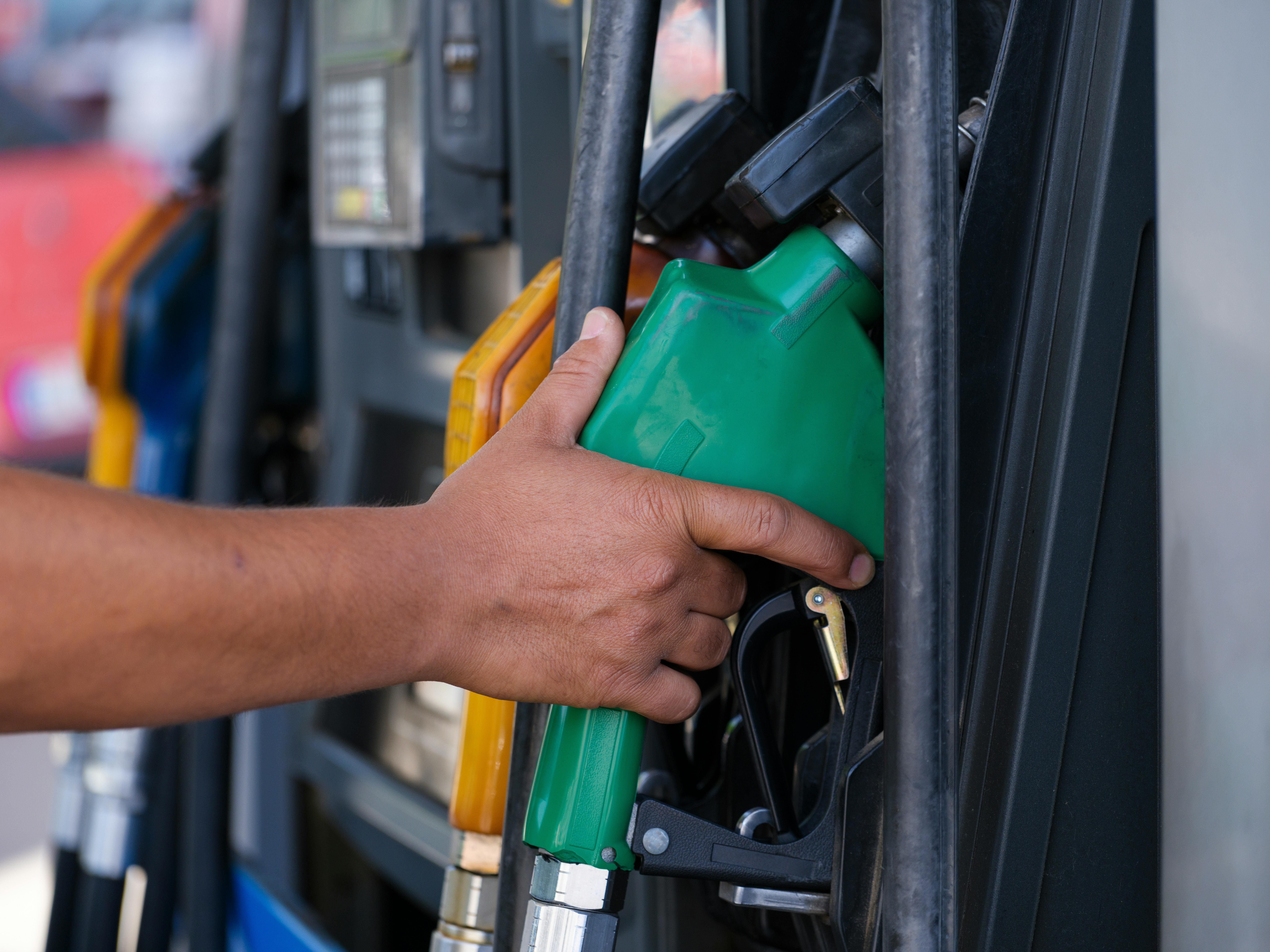

Esses fatores, combinados, resultam em uma realidade onde o preço da gasolina pode variar significativamente, exigindo que os consumidores estejam sempre atentos às melhores opções disponíveis.
Another important point is the freedom of pricing. In Brazil, gas stations have the autonomy to set their prices, which contributes to the observed variation.
Influence of oil on gasoline prices
One of the most relevant factors for gasoline prices is the behavior of oil in the international market. Since Brazil still partially depends on imports of derivatives, global fluctuations end up reflecting in the domestic market.
-
Drivers are falling for these scams without realizing: operation reveals closed gas stations, adulterated fuel, and hidden losses when refueling.

-
New Fiat EV, priced at R$ 77,000, will bring a reinterpretation of the 147 and a consumption equivalent to 70 km/l.

-
Petrobras surprises the market by cutting diesel by R$ 0.35 per liter, and the decision may ease the tax impact for drivers and transport companies.
-
Gasoline at R$ 4.99 makes drivers wait more than an hour at Havan gas stations in Santa Catarina, during a “zero tax” promotion with a limit of 15 liters per car and 25,000 liters available across five units of the network.





The price of oil is influenced by several factors, such as:
- Geopolitical conflicts, which can affect global supply
- Production decisions by exporting countries
- Variations in global energy demand
- Fluctuations of the dollar against the real
When the price of oil rises in the international market, the trend is that fuels also face upward pressure. On the other hand, price drops may lead to reductions, although this does not always happen immediately at gas stations.
Furthermore, the pricing policy adopted in Brazil also influences how these variations reach the final consumer. At times, adjustments are quicker; at others, there is greater stability.
Conflict between the US and Iran and impacts on gasoline prices
Tensions between the United States and Iran have a direct impact on the global oil market, reflecting on gasoline prices. This happens because Iran is a major producer and is located near the Strait of Hormuz, through which a significant portion of the world’s oil passes.
When tensions rise, the market reacts with fear of supply disruptions, which can elevate the price of oil internationally. Since Brazil tracks these fluctuations, even if partially, the price of gasoline may face upward pressure.
Additionally, geopolitical uncertainties tend to increase market volatility, making predictions difficult and directly impacting the final consumer, who feels the reflection at the gas stations.


Trend keeps drivers on alert
The behavior of gasoline remains unstable and requires constant attention from consumers. In various recent moments, the average price of fuel has remained above R$ 6.50 in several regions of the country.
This scenario is directly linked to factors such as:
- International oil quotation
- Exchange rate (dollar)
- Distribution and resale costs
- Pricing policy adopted in Brazil
For those who use the car as a work tool, any increase directly impacts income. Therefore, many drivers have sought alternatives to reduce costs or increase consumption efficiency.
How to save gasoline in daily life
In light of this scenario, saving gasoline becomes a necessity. Small changes in habits can lead to significant savings over time.
Some recommended practices include:
- Keep the vehicle with up-to-date maintenance
- Avoid sudden accelerations and maintain a constant driving
- Use gears correctly to reduce consumption “`
- Keep your tires inflated
- Avoid excess weight in the vehicle
- Research prices before fueling
Another important strategy is to fuel up at reliable stations. Poor quality fuel can increase consumption and cause damage to the vehicle, leading to even higher costs in the future.

Price difference demands consumer attention
The most recent survey reinforces the importance of researching before fueling. Gasoline continues to be one of the main expenses for those who use a vehicle frequently, and small variations can represent significant savings at the end of the month.
Furthermore, the current scenario demands a more conscious stance from consumers. Comparing prices, monitoring trends, and adopting more efficient consumption habits are attitudes that make a difference.
With the fuel market still subject to fluctuations, especially due to the influence of oil and the international scenario, the trend is for drivers to continue facing price variations. In this context, information and planning become fundamental allies in dealing with daily costs.