Portuguese
  Spanish




The Projection of Conab for the 2025/26 Crop Details How Grain Production in Brazil Evolves Amid Expansion of Planted Area, Climatic Adjustments, and Market Outlook
The grain production in Brazil stands out at the beginning of the 2025/26 season by gathering updated projections from Conab regarding area, volume, and performance of the crops, according to a news article published.
With an estimated 354.8 million tons, the scenario presented by the state-owned company indicates stability compared to the previous assessment, keeping an eye on climatic variations recorded in states such as Paraná, Goiás, and Mato Grosso.
The new reading considers the expansion of the cultivated area, now projected at 84.4 million hectares, as well as the average productivity calculated at 4,203 kilograms per hectare.
-
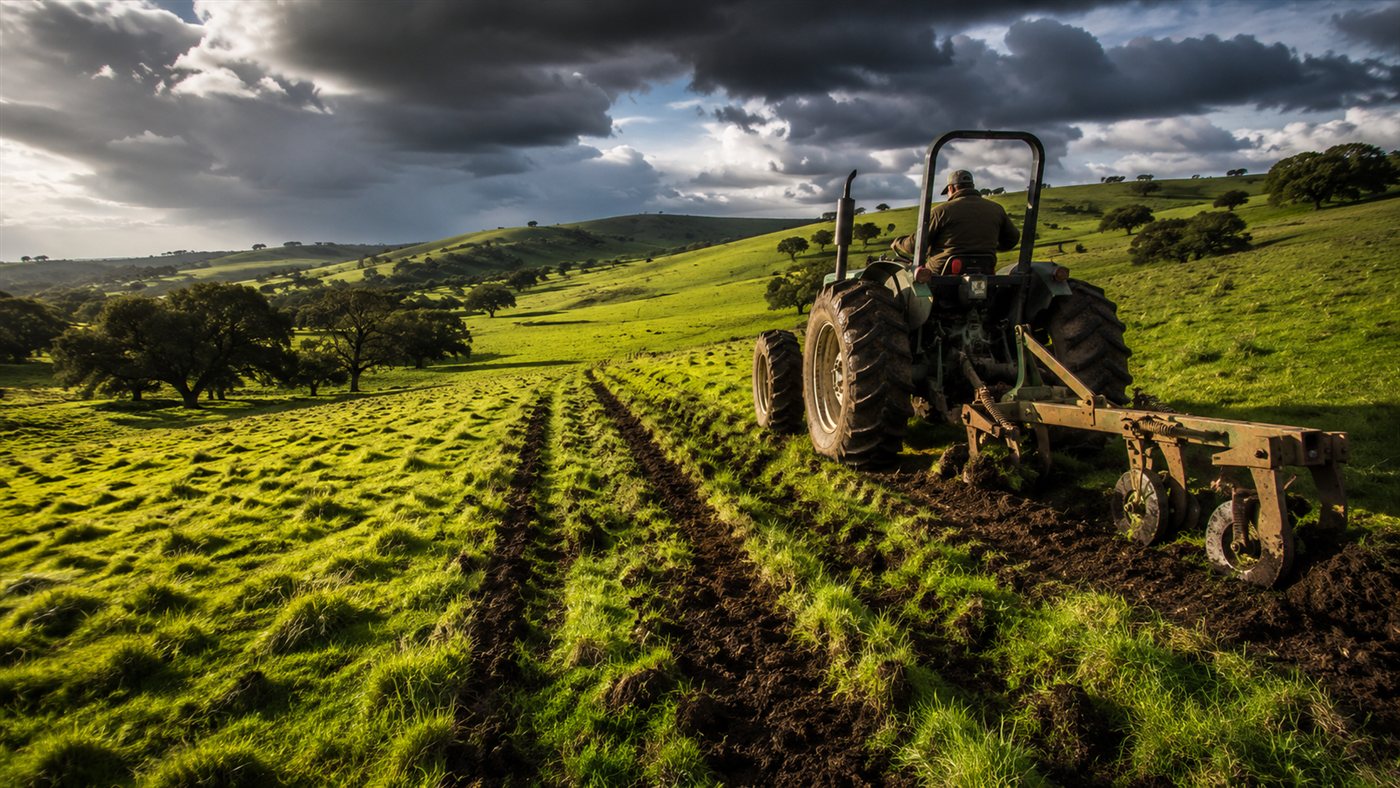
Regenerative Farmers Use Keyline Plow to Improve Pasture Hydration, Storing 1 Gallon of Water Every 30 Centimeters

-
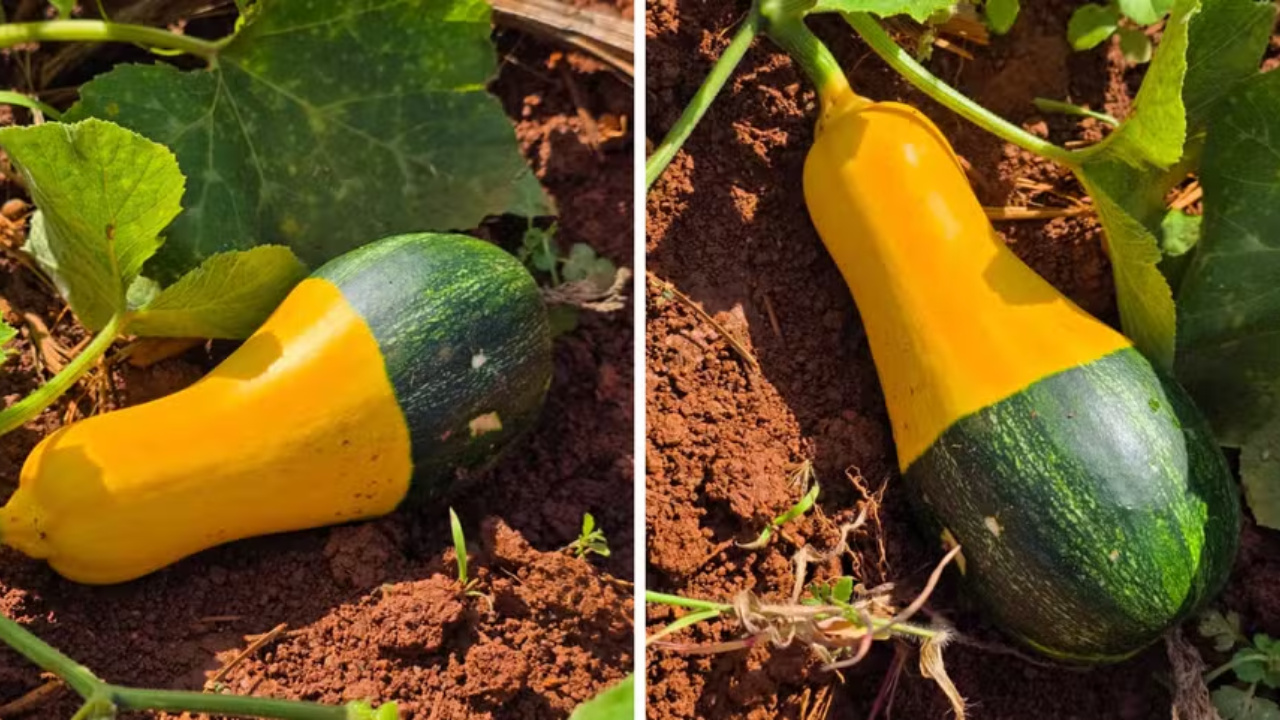
Bicolor Pumpkin Resembling Hand-Painted Art Discovered by Brazilian Researchers in the Capital Due to “Spontaneous Mutation”

-
In China, a 26-story building produces 1.2 million pigs annually, revolutionizing livestock farming with tube feeding and AI surveillance.
-
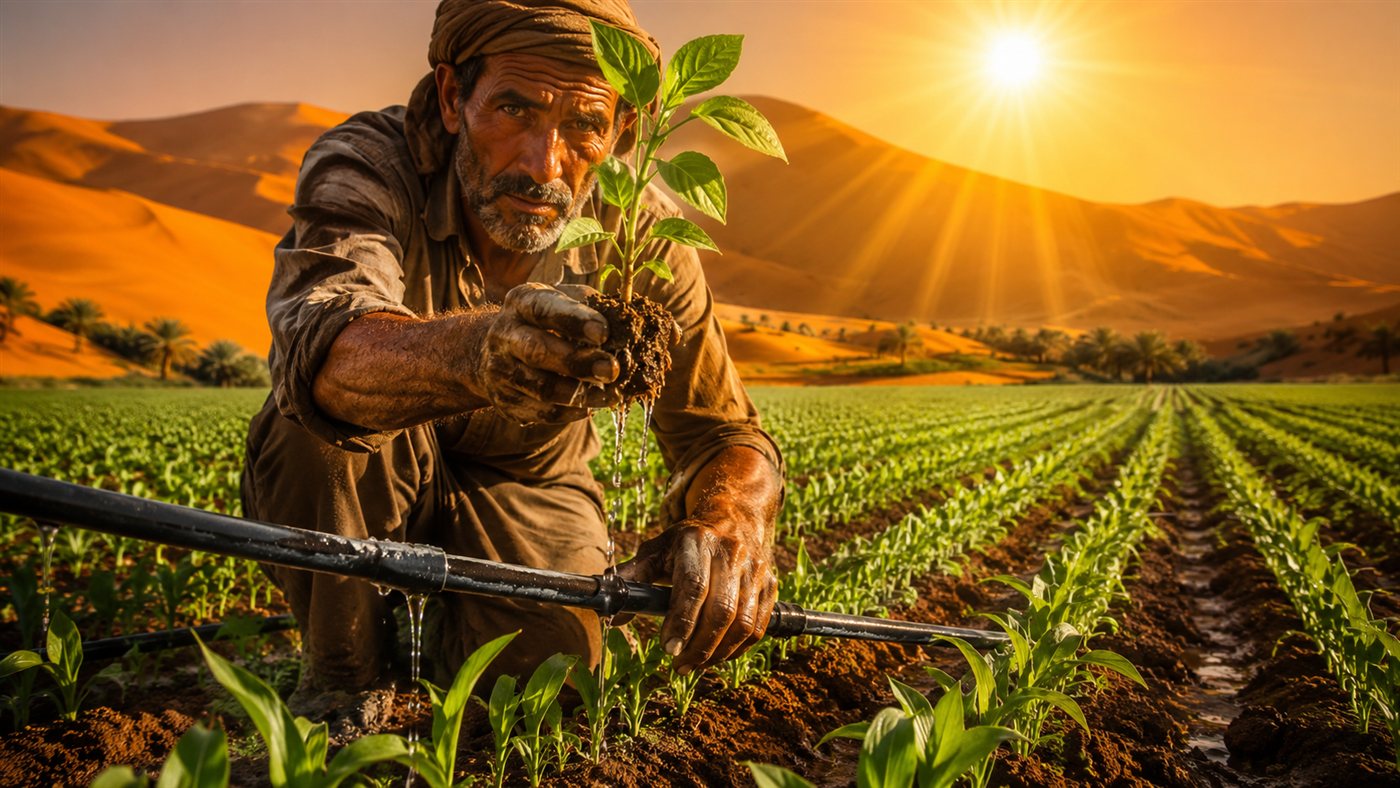
With Nearly 60% Desert, Israel Desalinates Seawater and Recycles 90% of Wastewater to Build a Billion-Dollar Agricultural Powerhouse in Dates and Cotton

For those monitoring the pace of crops, the data emphasizes the need for constant monitoring in the face of adverse events that may influence the initial development of the plants.
Estimates of Conab for the 2025/26 Crop
The figures released by the Company show that grain production in Brazil relies on a moderate expansion of the cultivated area, which grew by 3.3% compared to the previous cycle.
Soybean remains the flagship, reaching a forecast of 177.6 million tons, supported by 49.1 million hectares to be planted.
States like Goiás and Minas Gerais are experiencing delays in planting due to a lack of regular rains, while Mato Grosso maintains a pace similar to that recorded last year, despite the instability in October.
For corn, the total estimate reaches 138.8 million tons, with the first crop advancing over 47.7% of the projected area, slightly above the five-year average.
Events such as strong winds, intense precipitation, and hail observed in November in Paraná are under evaluation.
Climatic Indicators in Producing Regions and Grain Production in Brazil
Among the factors that directly influence grain production in Brazil, climate conditions remain at the center of technical analyses.
For rice, Conab projects 11.3 million tons, reflecting an 11.5% reduction in the planted area.
In Rio Grande do Sul, where more than 78% of the seeding has already been completed, some delays occurred due to excessive precipitation that limited the entry of machines in the field.
Meanwhile, beans are projected to reach 3.1 million tons combined across the three crops, maintaining a volume close to that of the previous cycle.
The first stage of the legume, covering 841.9 thousand hectares, indicates a 7.3% decrease in the cultivated area and an estimated production of 977.9 thousand tons.
The National Cereal Market is Worthy of Applause
In the domestic market, the corn demand is expected to reach 94.6 million tons in 2025/26, an increase of 4.5% driven mainly by the use of the cereal in ethanol production.
Exports could reach 46.5 million tons, supported by the national production surplus.
In the case of soybeans, the trend points to 112.1 million tons destined for the foreign market, favored by the lower supply from the United States and increased global demand.
The crushing of oilseeds is also expected to grow, with a projection of 59.37 million tons in 2026.
Although the numbers indicate consistent progress, grain production in Brazil remains conditioned by the climatic behavior observed in the main agricultural hubs.
Conab emphasizes the need for regional monitoring to qualify any impacts on productivity, especially in scenarios of irregular rainfall, low temperatures, or strong winds.
The continuation of the analyses allows for adjustments in projections and guides producers in decision-making throughout the cycle.
With the winter harvest underway and wheat estimated at 7.7 million tons, Conab’s assessment shows that lower investment in inputs has reduced the productive potential of the ears, although general conditions have favored the development of the crop.
At the end of this overview, the state-owned company provides detailed information from the 2nd Survey of the 2025/26 Grain Harvest, reinforcing that grain production in Brazil adjusts to national agricultural dynamics.