Portuguese
  Spanish



French Company Lhyfe Partners with EDP Renewables to Become the First Producer of Green Hydrogen in an Offshore Environment
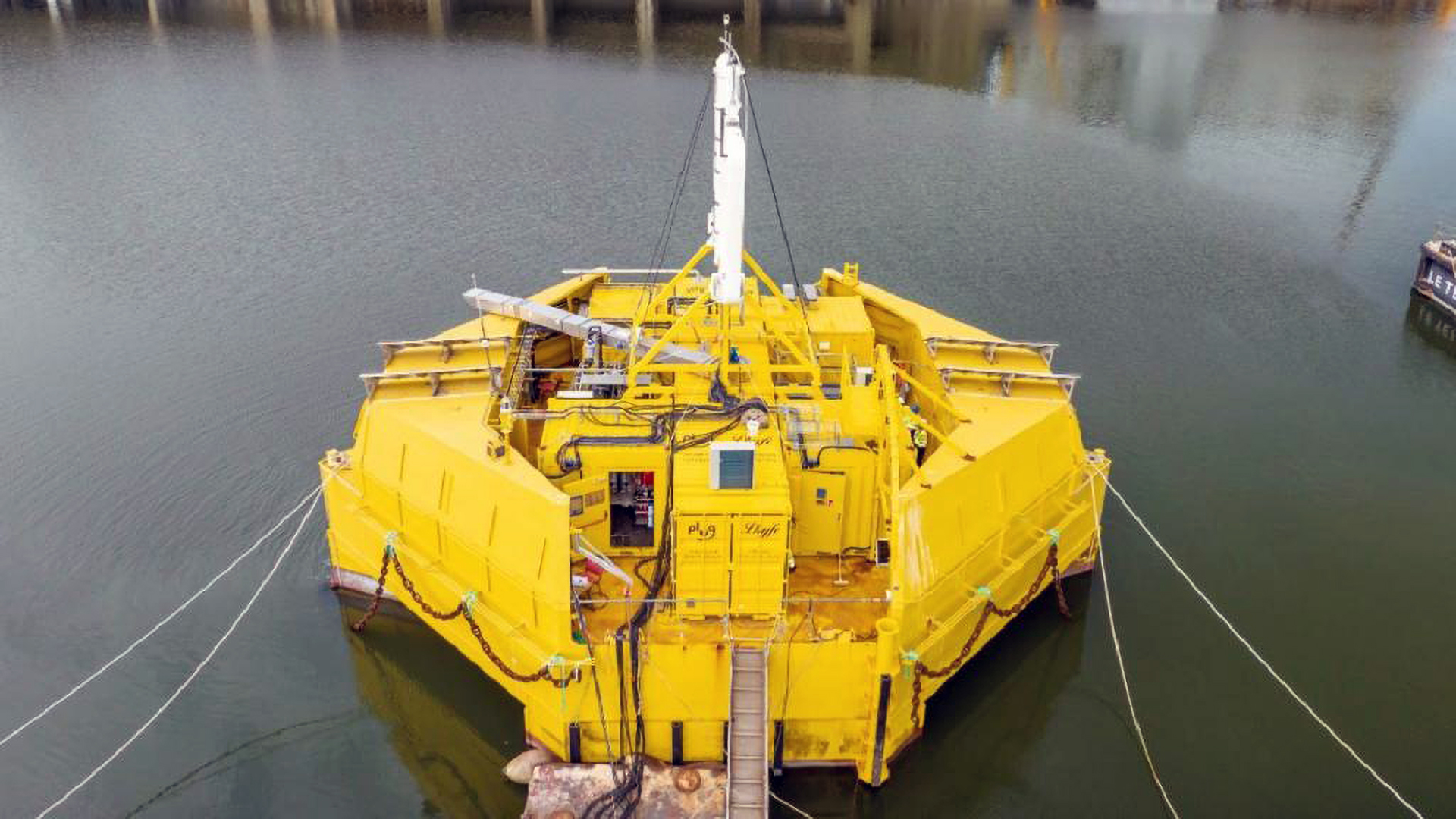
The French company Lhyfe, specialized in the production of renewable and environmentally friendly hydrogen, has just launched the world’s first unit capable of producing hydrogen offshore. The company, which has a partnership with EDP Renewables for the expansion of hydrogen projects, takes a significant step in developing alternative energy sources with this inauguration. This marks the first time hydrogen will be produced in a maritime environment.
The Sealhyfe platform is located in Saint-Nazaire, France, and will begin an 18-month testing phase off the coast of Le Croisic, at the offshore testing site maintained by the French Engineering School Centrale Nantes.
During the official inauguration of the Sealhyfe platform, Matthieu Guesné, founder and CEO of Lhyfe, recalled the devastating effects of the drought that occurred this summer across Europe. He emphasized that the consequences of global warming will continue to be felt in the coming decades. Therefore, it is necessary to take appropriate measures starting now.
-
Ceará brings together 7 giants and R$ 66 billion to transform Pecém into the largest green hydrogen hub in Brazil, with final decisions expected by the end of 2026.

-
Scientists Convert Factory Waste Heat into Hydrogen Using Perovskite Catalyst at Significantly Lower Temperatures

-
Airbus and MTU Launch Joint Venture to Advance Hydrogen-Powered Electric Aircraft Engines, Paving the Way for a New Era of Low-Emission Commercial Aviation
-
In a Place Many Doubt Solar Power Works, 360 Panels Operate in the Arctic, Harnessing Reflected Snowlight to Reduce Diesel Use at an Isolated Station
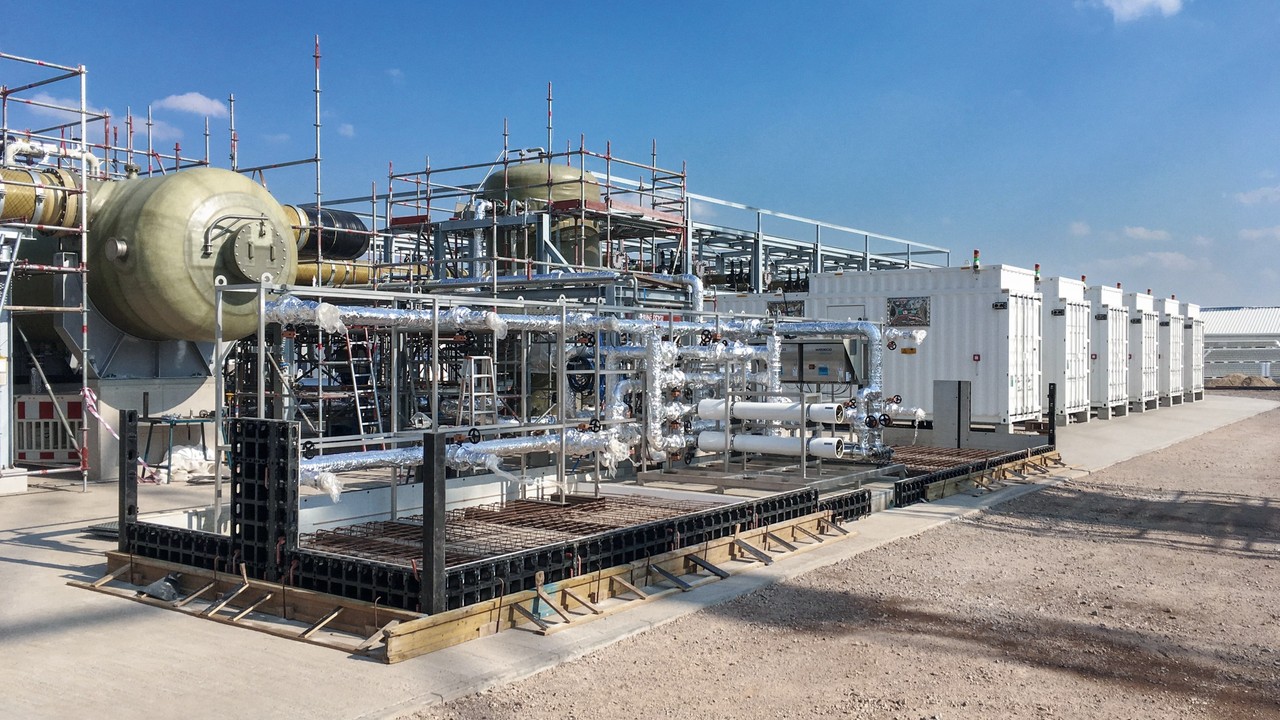


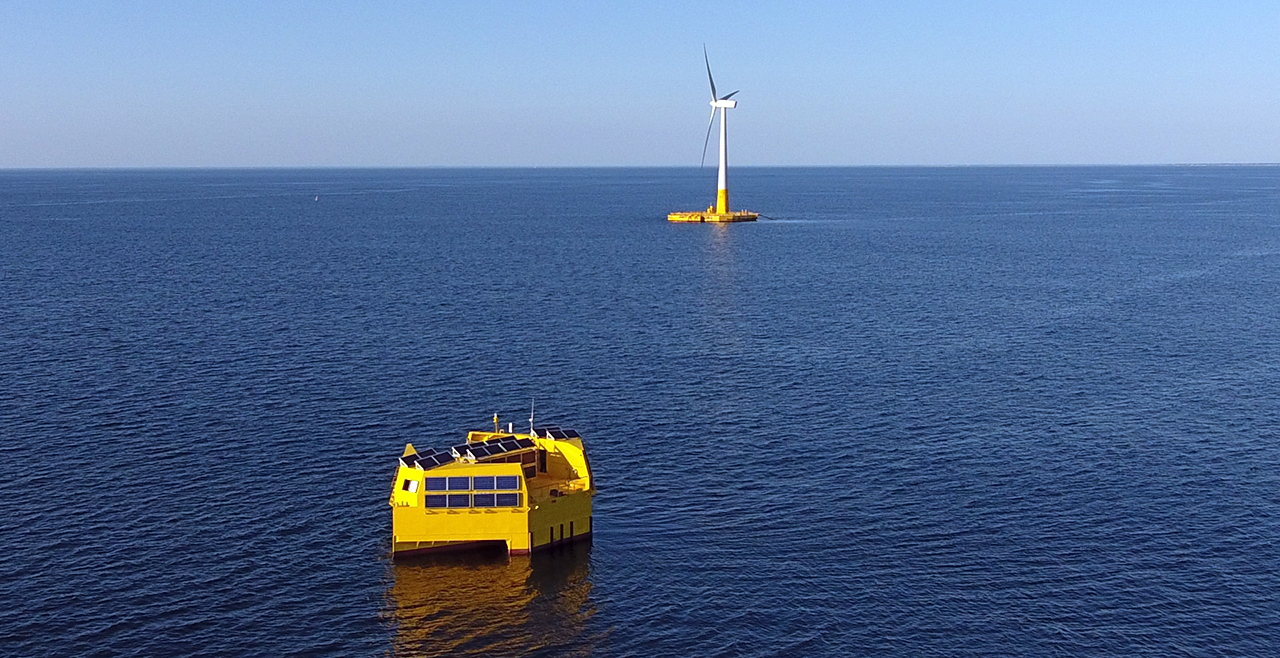
Sealhyfe Has the Capacity to Produce Up to 400 Kg of Green Hydrogen Per Day, Equivalent to 1 MW of Power
The company assures that by 2035, the offshore hydrogen system could represent an additional installed capacity of about 3 gigawatts (GW) for Lhyfe. Currently, Sealhyfe is capable of producing up to 400 kg of green hydrogen per day, which is equivalent to 1 megawatt (MW) of energy. However, by that time, the company anticipates that offshore will represent a much larger additional installed capacity.
Guesné highlighted that the seas represent a “great opportunity” in this matter due to the fact that they “absorb 92% of global warming.” Emphasizing the need to “abandon the short-term perspective,” he stated that the oceans offer a “great opportunity” and that we must embrace it as soon as possible.
Investment in green hydrogen generation at sea is the great solution, which is why the corporation is working hard on this. The problem can be addressed using offshore investment as a strategy to decarbonize industries and transportation. The project leaders support this technique, stating that it has the potential to generate 18 times more energy than is needed for global consumption.