Portuguese
  Spanish


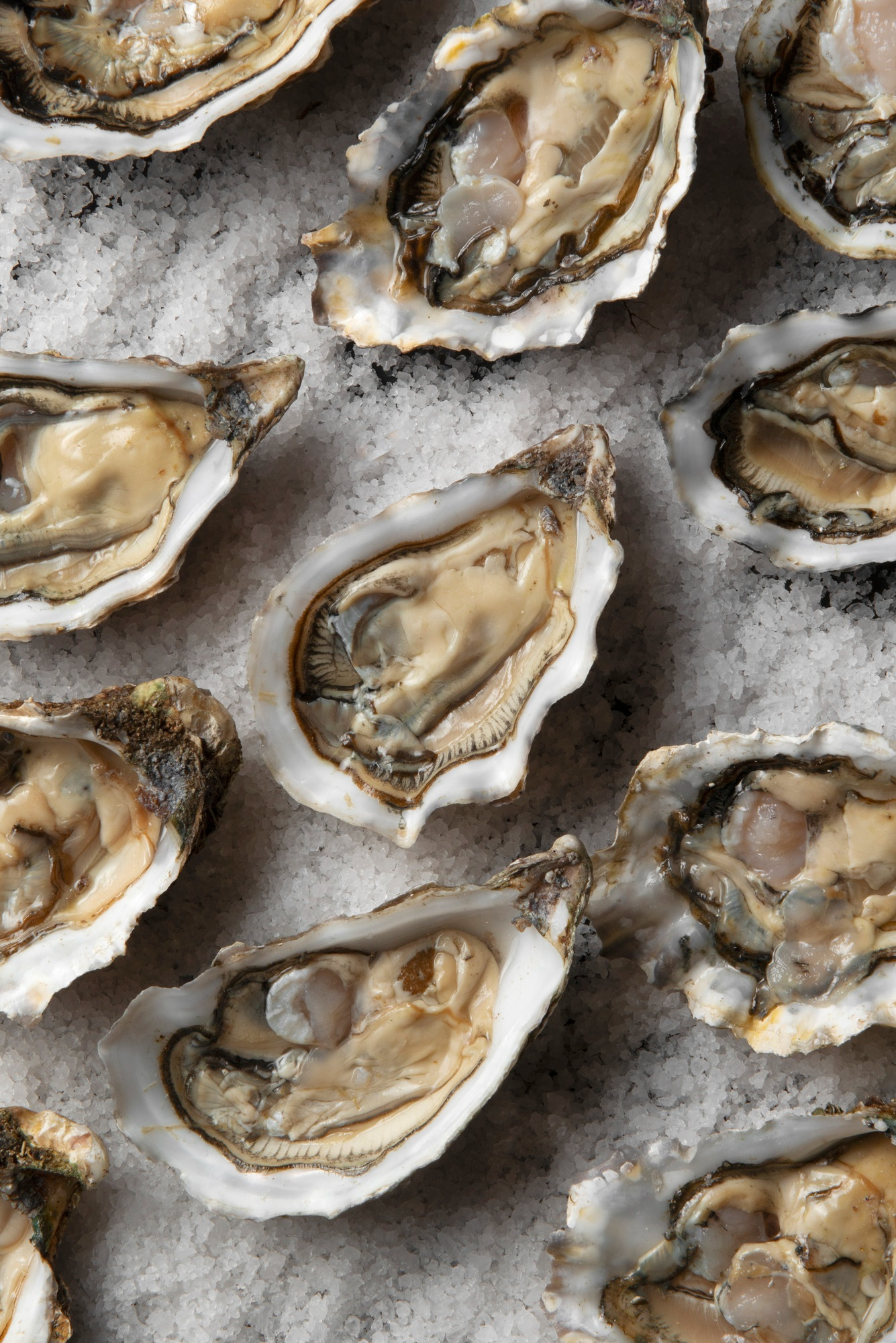

The Recognition by INPI Strengthens Oyster Production in Paraná, Boosts Gastronomic Tourism, and Values Sustainable Practices Developed by Mariculturists in Cabaraquara, on the Paraná Coast
The oyster production in Paraná has just received a historic milestone with the recognition of the Geographical Indication (GI) for Cabaraquara, on the state’s coast, according to a news article published.
The registration, published in the Industrial Property Journal on October 28, officially places the region among the major national centers of sustainable oyster farming.
The grant was made by the National Institute of Industrial Property (INPI), which now totals 156 geographical indications in the country, 115 of the type Indication of Provenance (IP) and 41 of Designation of Origin (DO).
-
California’s Almond Industry Consumes Over 4 Trillion Liters of Water Annually Amid Drought, Relies on Trucked-In Bees for Pollination

-
India’s Sugar Export Cuts and Ethanol Shift Amid El Niño Threat Could Impact Global Prices and Stocks

-
Quarantine Pest Threatening Palm Trees Puts Brazilian Authorities on Alert, Prompts Monitoring at University of Taubaté and Potential Control Measures Across São Paulo
-
Global Alert: Report Finds 159 Pesticides in Coffee Beans Sold in Europe, Posing Serious Risks to Millions of Farm Workers



This recognition reinforces not only the quality of the product but also the bond between local tradition, the environment, and the strengthening of the regional economy.
Oyster Path and the Growth of Gastronomic Tourism in Cabaraquara
Located in Guaratuba Bay, the Cabaraquara region stands out for its balance between production and environmental preservation.
Formed by mangroves and calm water channels, it houses the so-called “marine farms,” where oysters have been cultivated artisanally since the 1990s.
Gastronomic tourism has flourished along the Cabaraquara Road, known as the “Oyster Path,” bringing together restaurants and mariculturists who have turned the cultivation into a cultural and culinary experience.
With the GI, the oyster production in Paraná gains even more visibility, strengthening the flow of visitors and promoting conscious consumption.
Sustainability and Tradition Strengthen the Marine Economy
The oyster production in Paraná now represents a sustainable alternative to traditional extractive fishing.
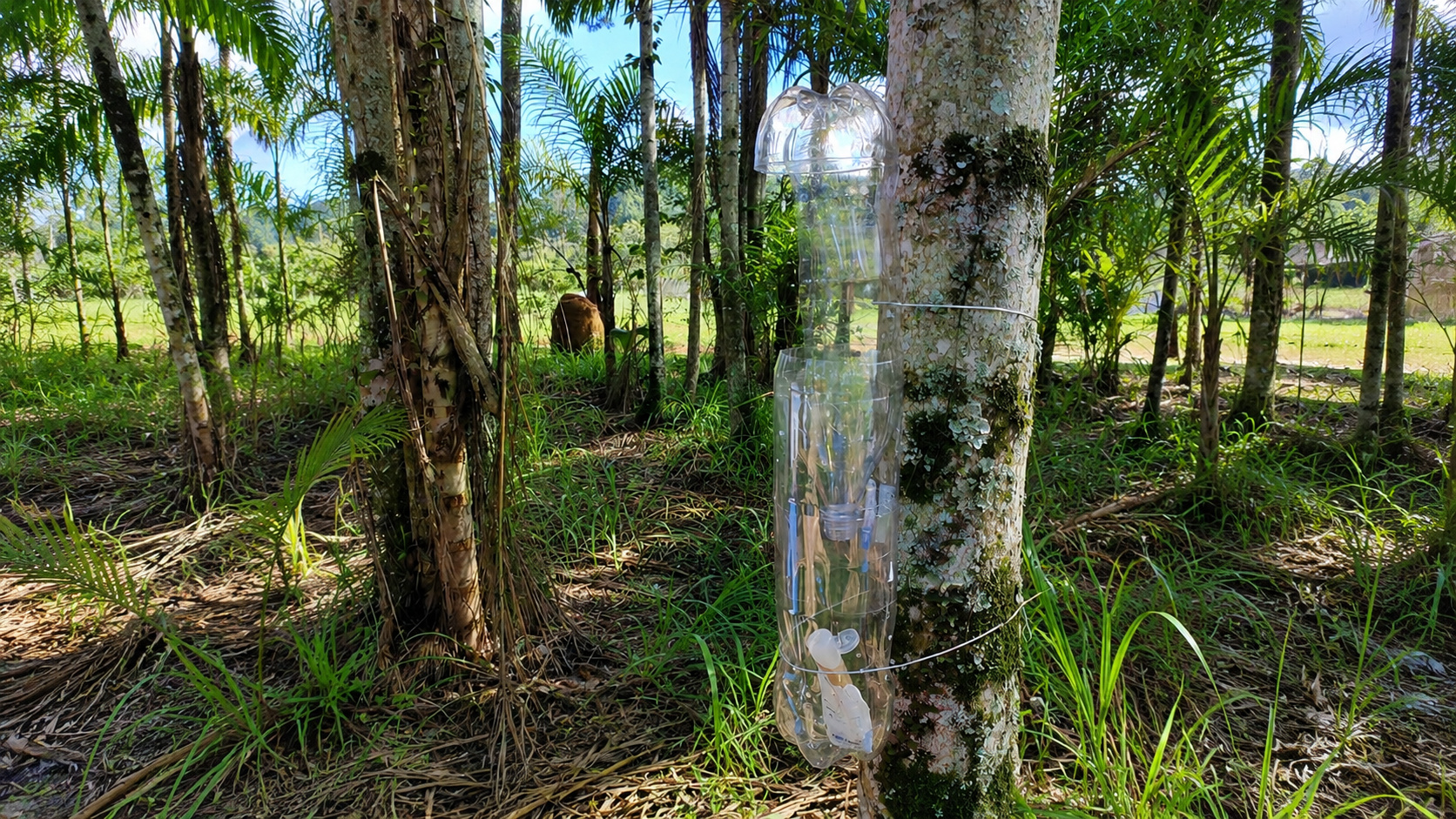
The cultivation uses floating structures, known as “lanterns” and “pillows”, adapted to the conditions of the bay.
According to documents submitted to the INPI, ten associated mariculturists are responsible for an annual production of approximately 80,000 dozen oysters.
This significant volume reflects the economic and environmental potential of the activity, which generates local income and encourages low-impact practices.
Moreover, the slightly sweet taste of the oysters from Cabaraquara has become a recognized differential among chefs and tourists, consolidating the geographical name as synonymous with quality and origin.
Oyster Production in Paraná: INPI Recognition Values Local Identity and Regional Development
The title of Indication of Provenance granted by the National Institute of Industrial Property (INPI) symbolizes the official recognition of the bond between territory, tradition, and quality.
By ensuring that only oysters cultivated within the geographic polygon of Cabaraquara can use the local name, the registration protects the reputation built over more than three decades of work.
For producers, the oyster production in Paraná ceases to be merely an economic activity: it becomes a regional heritage that boosts tourism, strengthens the production chain, and attracts investments.
According to INPI, the achievement of Cabaraquara adds to the 115 IPs and 41 DOs already registered in Brazil, consolidating the country as a reference in recognition of origin products.
The complete publication of the registration can be consulted in the Industrial Property Journal (RPI).