






 Portuguese
  Spanish
 3 min of reading
  0 comments


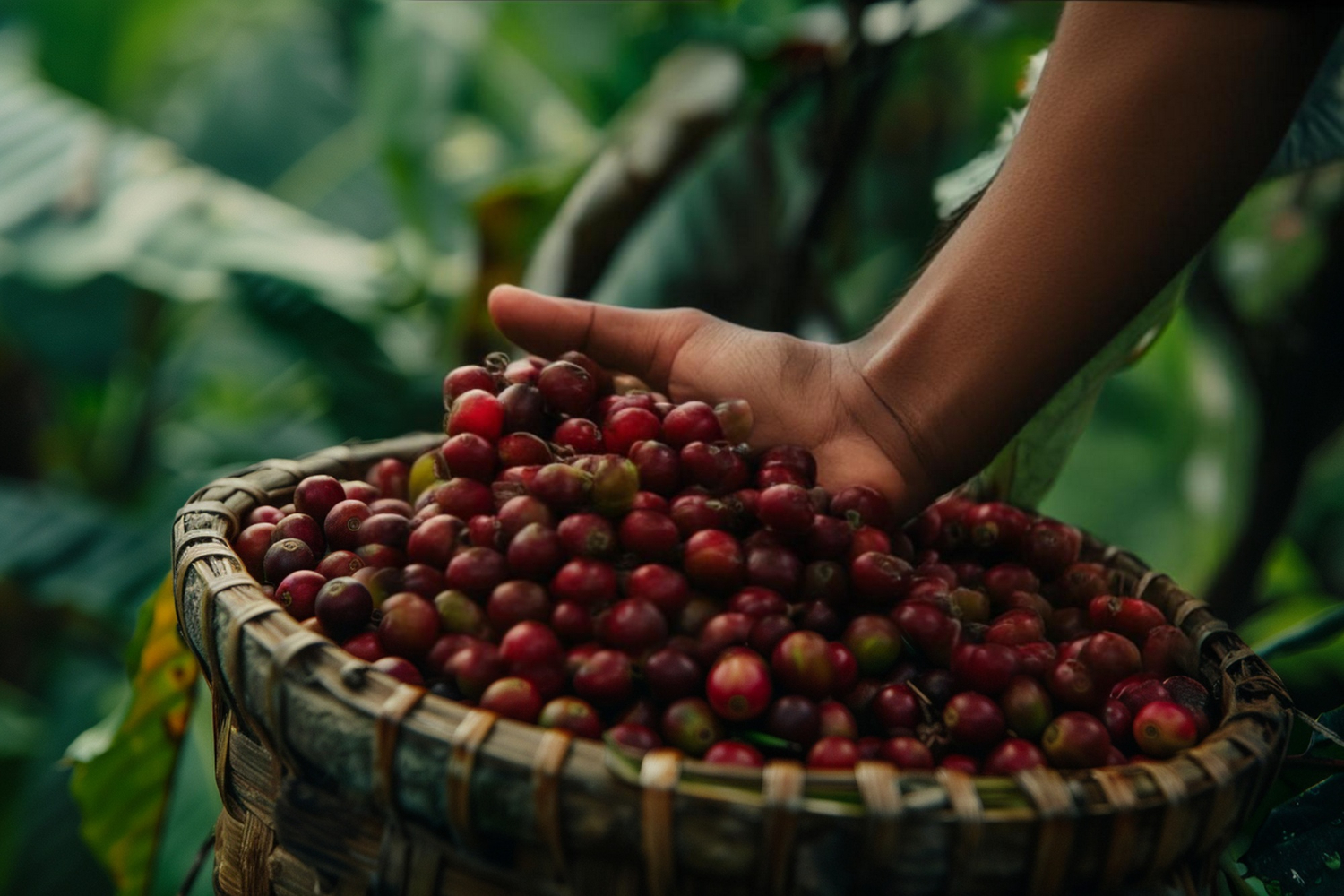
Coffee Production in Brazil in 2025 Reaches New Levels with Support from the Federal Government, Incentives for Family Farming, Strong Exports, and More Affordable Prices
The coffee production in Brazil in 2025 is ongoing at an accelerated pace and draws attention both within and outside the country, according to an article published.
The bean, which is already the second most consumed beverage in the national territory, gains increasing importance on family tables and also in the Brazilian trade balance.
The latest numbers confirm this optimistic scenario: prices have fallen, exports have gained momentum, and public support policies have provided security to producers, especially small ones.
-
Low-Demand Brazilian Beef Offal Gains Popularity Abroad: Indonesia Purchases $19.5 Million, Boosting Revenue and Reducing Waste

-
Soy Expansion in Former Brazilian Savanna Sparks Water and Land Conflicts in Major Agricultural Frontier
-
Mexican Pest Threatens U.S. Cattle Herds at Historic Lows, Potentially Boosting Brazilian Beef Exports as Burger Prices Soar

-
Avocado Boom for European and U.S. Markets Fuels Water Crisis in Drought-Stricken Chilean Region


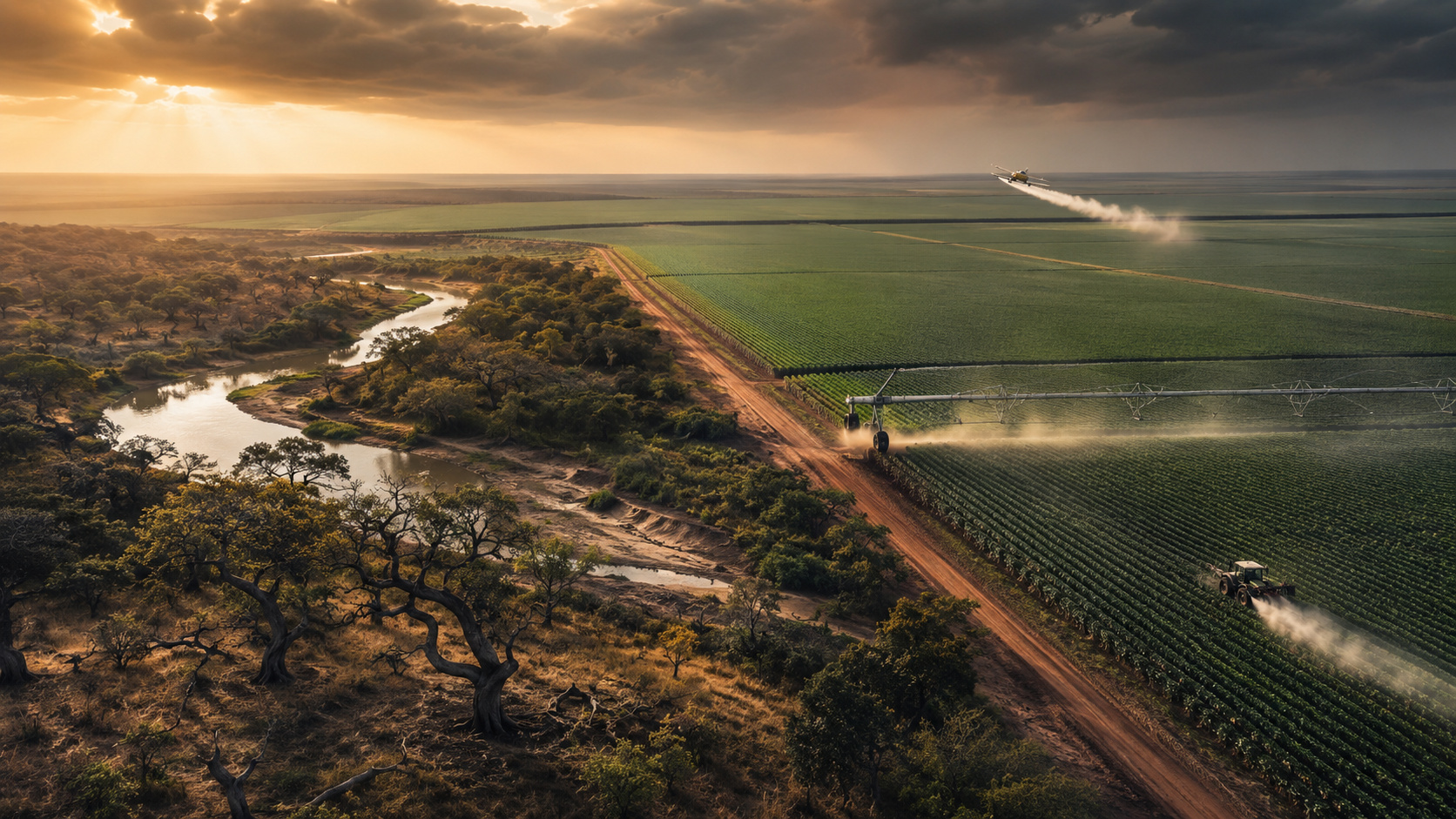


Minas Gerais, Espírito Santo, and São Paulo continue to lead the harvest, while family farming remains a solid foundation of this production chain.
The federal government’s incentive, through financing programs and emergency actions, has further boosted the activity, helping Brazil consolidate its position among the largest coffee suppliers in the world.
Government Support Strengthens Family Farming
The role of public policies has been decisive in maintaining coffee production in Brazil on the rise.
One of the most important initiatives is the National Program for Strengthening Family Farming (Pronaf), which made R$ 6.6 billion available in 101,638 credit operations between the 2023/2024 harvests and the current one.
These financing lines have helped producers invest in technology, inputs, and more sustainable practices.
In addition, the Ministry of Agrarian Development and Family Farming (MDA) announced emergency measures to reduce the impact of tariffs imposed by the United States.
Part of the production that was not exported will be purchased by the government, ensuring income for farmers and preventing waste.
Exports Boost the Coffee Sector
Even with the barriers imposed by the external market, exports continue to be one of the engine drives of coffee production in Brazil.
Between January and July 2025, the country shipped 23.7 million 60-kg bags, the third largest volume ever recorded in this historical period. This performance reinforces the importance of coffee as a strategic product for the national economy.
The producing states have also increased their investments in quality and certifications, which strengthens Brazil’s image as a global reference in the coffee sector.
The appreciation in the external market opens up space for small and medium producers to have a greater participation in global negotiations.
Prices Fall and Favor Domestic Consumption
Another notable factor is the decrease in coffee prices in the domestic market. IBGE data indicates a 2.7% drop in ground coffee, extending the decline that began in July when prices had already fallen by 1.1%.
This decrease contributes to making the product even more accessible to the Brazilian consumer. At the same time, it strengthens coffee production in Brazil by stimulating domestic consumption and ensuring the flow of part of the harvest.
This balance between internal and external markets helps consolidate the activity, ensuring gains for both producers and the population.
Harvest of 2025 Confirms Optimistic Scenario
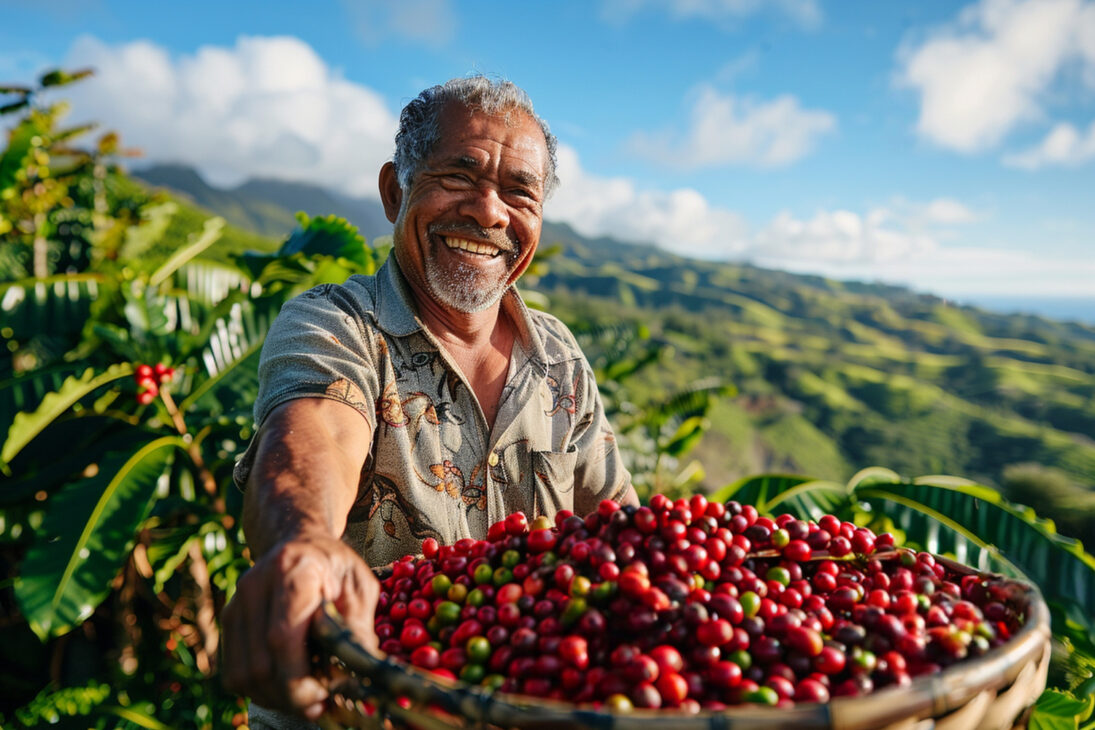
According to the National Supply Company (Conab), the 2025 harvest is estimated at 55.2 million bags processed. This volume represents a growth of 1.8% compared to the previous year.
The main explanation lies in the 3% recovery in average productivity of the crops. Coffee production in Brazil, concentrated in Minas Gerais, Espírito Santo, and São Paulo, shows strength by combining tradition, innovation, and supportive public policies.
This combination ensures stability and security for family farmers and companies in the sector, reinforcing the economic and cultural relevance of the bean in the country.





Be the first to react!