






 Portuguese
  Spanish
  4 min of reading
  0 comments


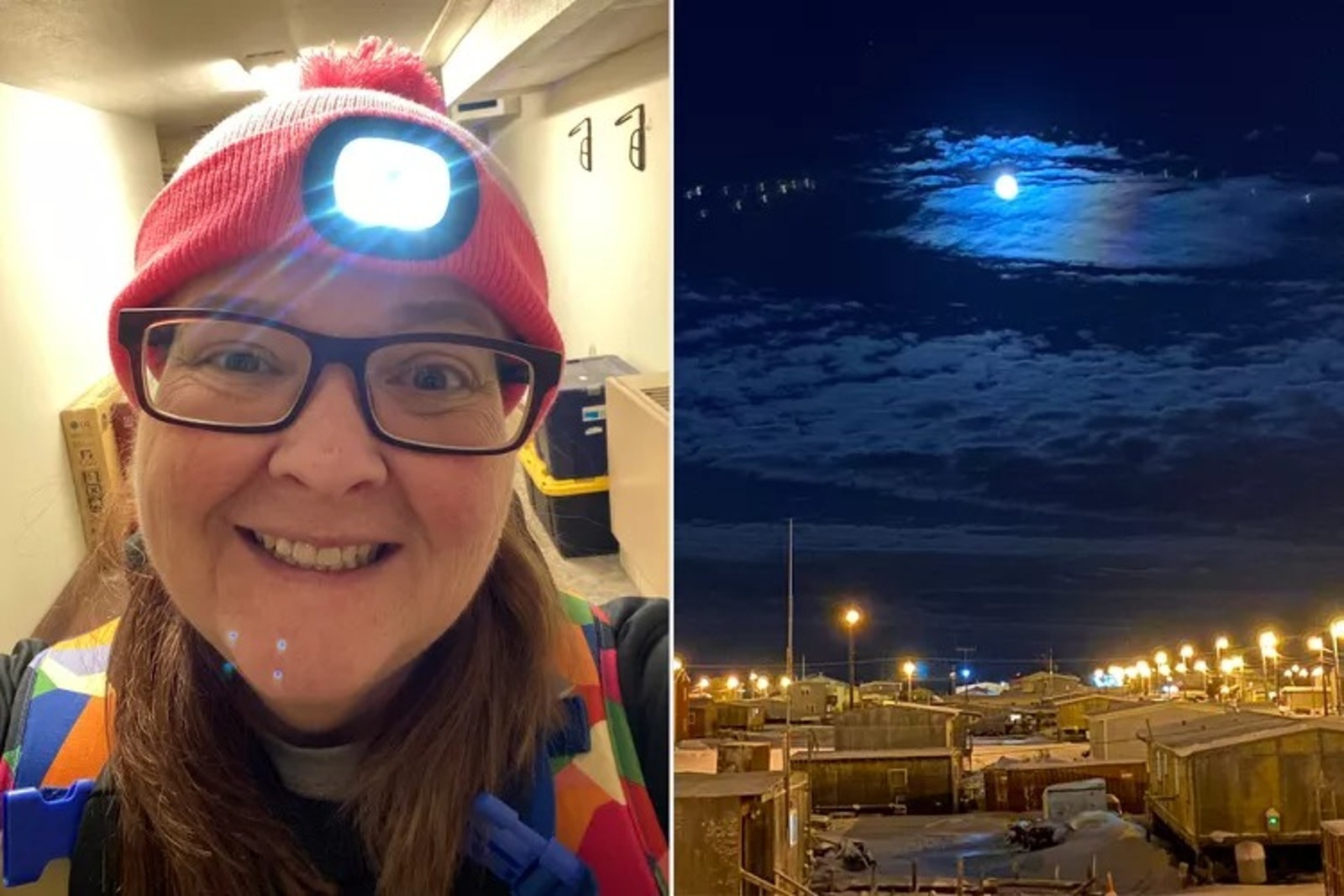
After Weeks Of Constant Darkness In The Far North Of Alaska, Residents Of Utqiaġvik Watch The Return Of The Sun In January, A Phenomenon That Influences Routines, Emotions, Work, Education, Climate, And Community Life
After about two months without direct sunlight, the sun has become visible again in Utqiaġvik, in the far north of Alaska, marking the end of the polar night, an annual phenomenon that subjects the city to consecutive weeks of darkness.
Located above the Arctic Circle, the city goes through an extended period without sunrise every year, a natural condition caused by the tilt of the Earth’s axis and recurring in this region of the northern hemisphere.
Life During The Polar Night
Among the residents who experienced the phenomenon is Robin Reeves, a retired teacher who moved to the area in 2022 after ending her career in education.
-
Survivor of 1966 SS Daniel J. Morrell Shipwreck in Lake Huron Recounts 38-Hour Ordeal in Extreme Cold

-
The Greatest Hoax in World Cup History? The Film That Denied Brazil’s 1958 Victory and Exposed How Fake Evidence Can Seem Convincing on TV
-
Fake South Korean Online Stores Offer Shopping Thrill Without Spending Money or Receiving Products
-
The War of Jenkins’ Ear: How a Severed Ear Sparked One of the 18th Century’s Most Unusual Conflicts


Originally from Arkansas, Reeves initially accepted a seven-week substitute teacher contract without having ever visited the state before.
The experience included living on the northern slope of the city, with a direct view of the Arctic Ocean from her apartment window.
After the initial contract ended, the educator was invited to return for a whole year and decided to accept the offer.
She told PEOPLE magazine that she adapted well to the local routine, despite the high cost of food and meals.
Reeves also mentioned missing her husband, Blaine, who stayed home taking care of his father during her extended absence.
According to her, the almost daily video calls helped maintain the bond and cope with the distance imposed by the move.
Extreme Temperatures And Routine In The City
About two years ago, Reeves began documenting the period without sunlight through videos posted on her TikTok account, @theliberrylady.
The recordings showed the view from her apartment and the school, often accompanied by the temperatures recorded throughout the days.
On one particular day, she reported a temperature of -22 degrees, with a wind chill of -44, highlighting the severity of the local winter.
When discussing the intense cold, Reeves attributed part of her adaptation to her own age and the physical changes associated with menopause.
She commented that the sudden hot flashes ended up being an advantage since the relief from going outside was immediate.
During the week, Reeves wakes up around 6 AM and turns on all the lights in her apartment before heading to school.
She is picked up by another teacher and teaches Physical Education to students from kindergarten to fifth grade.
In addition to regular classes, she participates in an extracurricular program, providing tutoring and coaching a junior indigenous Olympic team.
Impact Of Light And Adaptation
Reeves stated that she did not face significant difficulties during the period of darkness since she spends a lot of her day in well-lit environments.
According to her, the most challenging time occurs when there are 24 hours of sunlight, common between May and August.
This condition is recorded during the summer in Alaska, according to information from Travel Alaska.
Nearing the end of the two months without the sun, Reeves began to notice brighter skies before dawn, which generated emotional surprise.
She reported feeling happy to realize that the return of the sun was near, even without the official sunrise.
Celebration And Gradual Return To The City
During the polar night, there is no sunrise, but there is a phenomenon known as civil twilight at certain times of the day.
Meteorologist Allison Chinchar from CNN explained that the phenomenon resembles the sky before dawn or after sunset.
Over the past year, Reeves formed a group of friends in the same building, which made the experience more welcoming.
This year, she participated in an online session organized by Iļisaġvik College to celebrate the return of the sun.
The event included a dance, in which her students participated wearing crowns with sun designs, in a moment described as memorable.
On January 24, Reeves posted a video stating that she couldn’t see the sun due to the cloudy sky that day.
She explained that although the sun had returned, the intensity of the light gradually increases until reaching 24 hours a day.
She acknowledges missing her husband and the banana pudding from Central BBQ, but claims to be satisfied with the experience.
According to the teacher, not every day is wonderful, but living at the top of the world reflects the reality of life, with challenges and rewards.
With information from People.





-

-

3 people reacted to this.