





 Portuguese
  English
  Spanish
  5 min of reading
  0 comments


630 spots for women in free professional training courses expand income, entrepreneurship, and access to the job market in DF.
Women over 18 can now enroll in a program offering 630 free training spots in different regions of the Federal District. The initiative is promoted by the Instituto Reciclando o Futuro and brings together in-person courses focused on income generation, entrepreneurship, and inclusion in the job market.
According to information from Correio Braziliense on May 24, 2026, classes start in June and are divided between the projects “Elas” and “Capacita Mulher.” In total, there are more than 10 training courses in areas such as crafts, beauty, baking, sewing, and services. The proposal is to expand access to professional qualification for women, especially for those in socially vulnerable situations.
According to the institute’s founder, Renata Daguiar, the project seeks to create paths for financial autonomy and personal empowerment through professional education. In 10 years of operation, the institution claims to have impacted more than 70,000 families.
-
Gerdau and Ânima Educação surprise the sector by launching an unprecedented training program for the steel industry, connecting higher education and the market in a strategic program that promises to accelerate the qualification of professionals for one of the most important segments of the Brazilian economy.

-
Raízen offers a scholarship of R$ 2,000 + R$ 194 for transportation assistance or chartered transport to work 30 hours per week; the Internship Program has open positions in 11 states of Brazil.

-
Registrations for Enem 2026 enter the final stretch and thousands of students have not yet confirmed participation.

-
MEC offers more than 500,000 spots in a free and 100% online course inspired by Harvard methodology, with a certificate, no exams, and completion in just 5 days for Early Childhood Education teachers.


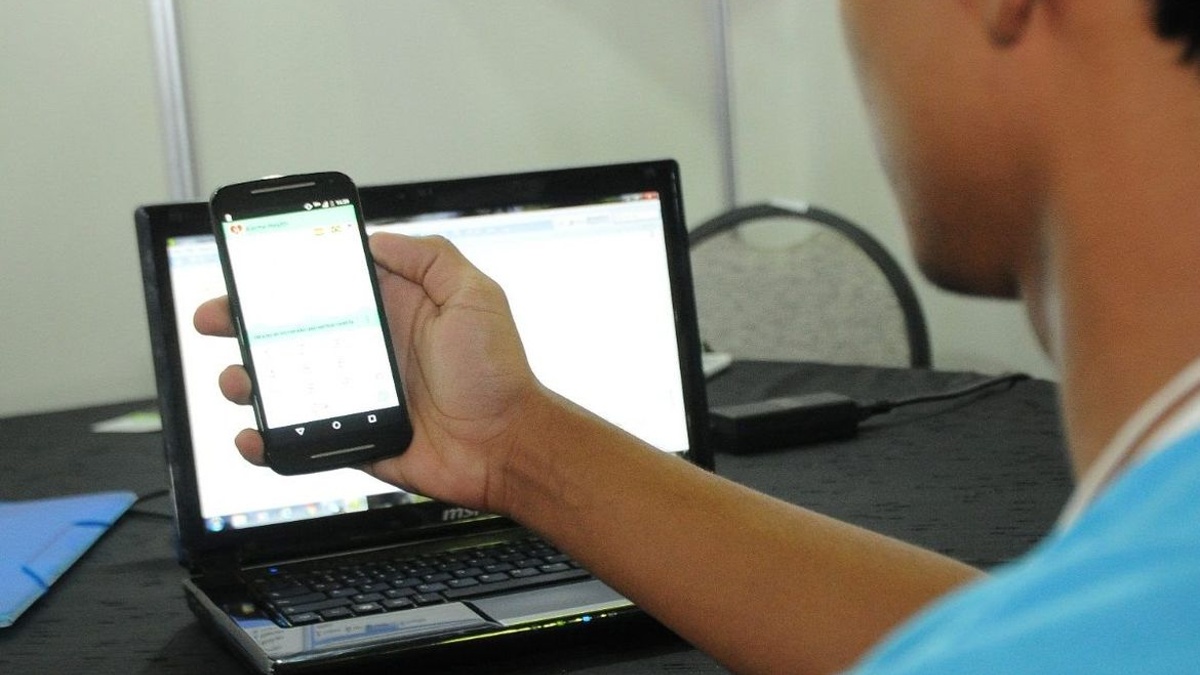

Women’s professional qualification reaches various regions of the Federal District
The program distributed the 630 free spots in centers located in cities such as Ceilândia, Planaltina, Samambaia, Brazlândia, Itapoã, Santa Maria, Sol Nascente, Recanto das Emas, and Candangolândia. There are also opportunities in Águas Lindas de Goiás.
In the “Elas” project, 460 spots were opened for women in courses mainly focused on artisanal entrepreneurship and creative production. Meanwhile, “Capacita Mulher” offers 170 opportunities in areas related to the beauty and aesthetics sector.
Among the available free courses are:
- Bio-jewelry
- Cutting and sewing
- Creative sewing
- Crochet
- Basic profitable baking
- Recyclable crafts
- Free embroidery
- Eyebrow design
- Depilation
- Massage
- Hairdressing
The diversity of the training allows participants to find options aligned with their professional profile and the current market needs.

Free courses encourage entrepreneurship and income generation
The free courses were structured with a focus on activities that can generate income quickly. Many offered areas have a strong presence on social networks and in local commerce, especially in the artisanal products and beauty services sector.
In peripheral cities, initiatives of this type end up serving as an entry point for women who wish to start a small business or work independently. Personalized artisanal production, for example, is growing in marketplaces and digital platforms.
Another important point is the low initial investment required in some activities. Courses like confectionery, crochet, fabric painting, and bio-jewelry allow starting sales with a reduced structure, something that attracts mainly women seeking financial independence.
Opportunities for women expand access to the job market
The opportunities for women come at a time when the search for professional training has increased in Brazil. Data from the Brazilian Institute of Geography and Statistics (IBGE) show that women still face greater challenges in accessing employment and income.
In this scenario, social projects aimed at technical training help reduce professional barriers and expand opportunities in sectors with constant demand.
In-person training also facilitates practical learning, something valued mainly in areas such as aesthetics, sewing, and cooking. In addition to technical training, many participants manage to create support networks and networking during the courses.
The program’s differentiators include:
- In-person training
- Practical training
- Encouragement of entrepreneurship
- Courses in peripheral regions
- Focus on income generation
- Female social inclusion
The decentralization of classes helps women who have difficulties with transportation or limited access to traditional professional courses.
Professional training accompanies growth in the beauty and services sector
Part of the 170 spots for women in the “Capacita Mulher” project is concentrated in areas with high demand in the beauty sector. Courses in eyebrow design, waxing, massage, and hairdressing remain among the most sought after by those wishing to start a business.
The Brazilian market for personal hygiene, beauty, and cosmetics continues to be among the largest in the world, according to data from the Brazilian Association of the Personal Hygiene, Perfumery and Cosmetics Industry (ABIHPEC). This helps explain the increased demand for female professional qualification in this segment.
Besides the income potential, many of these activities allow for flexible hours and autonomous service, characteristics valued especially by women who balance work and family responsibilities.
Female professional qualification strengthens autonomy and social inclusion
Renata Daguiar, founder of the Instituto Reciclando o Futuro, highlights that financial independence can transform the reality of many women in vulnerable situations or victims of domestic violence.
The institution’s proposal is to use female professional qualification as a tool for social inclusion and self-esteem strengthening. In many cases, the courses represent the first opportunity for technical training for the participants.
Another differential is the focus on sustainability present in some of the training. Some workshops use recyclable materials and encourage reuse practices, combining income generation and environmental awareness.
Courses such as crafts with cement bags, bio-jewelry, and production with recyclable materials reinforce this sustainable proposal.
Free courses accompany the growth of female entrepreneurship
Female entrepreneurship has been registering constant growth in Brazil in recent years. Data from Sebrae indicates an increase in women’s participation in small businesses mainly linked to the food, fashion, crafts, and beauty sectors.
In this context, the free courses offered by the Instituto Reciclando o Futuro follow a market trend based on small enterprises and personalized service provision.
Many women use this type of training to supplement family income, start online sales, or achieve greater financial stability. The digital environment has also expanded the possibilities for promoting and marketing handmade products.
Additionally, quick and in-person courses tend to attract participants who need to enter the job market quickly.
Practical training creates new perspectives for hundreds of women
The opening of 630 free spots reinforces how training programs can have a direct impact on different communities in the Federal District and Goiás. The combination of practical training, social inclusion, and encouragement of entrepreneurship creates new possibilities for women seeking financial autonomy.
With in-person courses distributed across various regions, the Instituto Reciclando o Futuro expands access to female professional qualification and strengthens opportunities in sectors that continue to grow in the Brazilian market.
The initiative also shows how social projects focused on professional education can contribute to income generation, local development, and strengthening women’s participation in the economy.
REGISTRATION FOR FREE COURSES
With information from Correio Braziliense






Be the first to react!