






 Portuguese
  Spanish


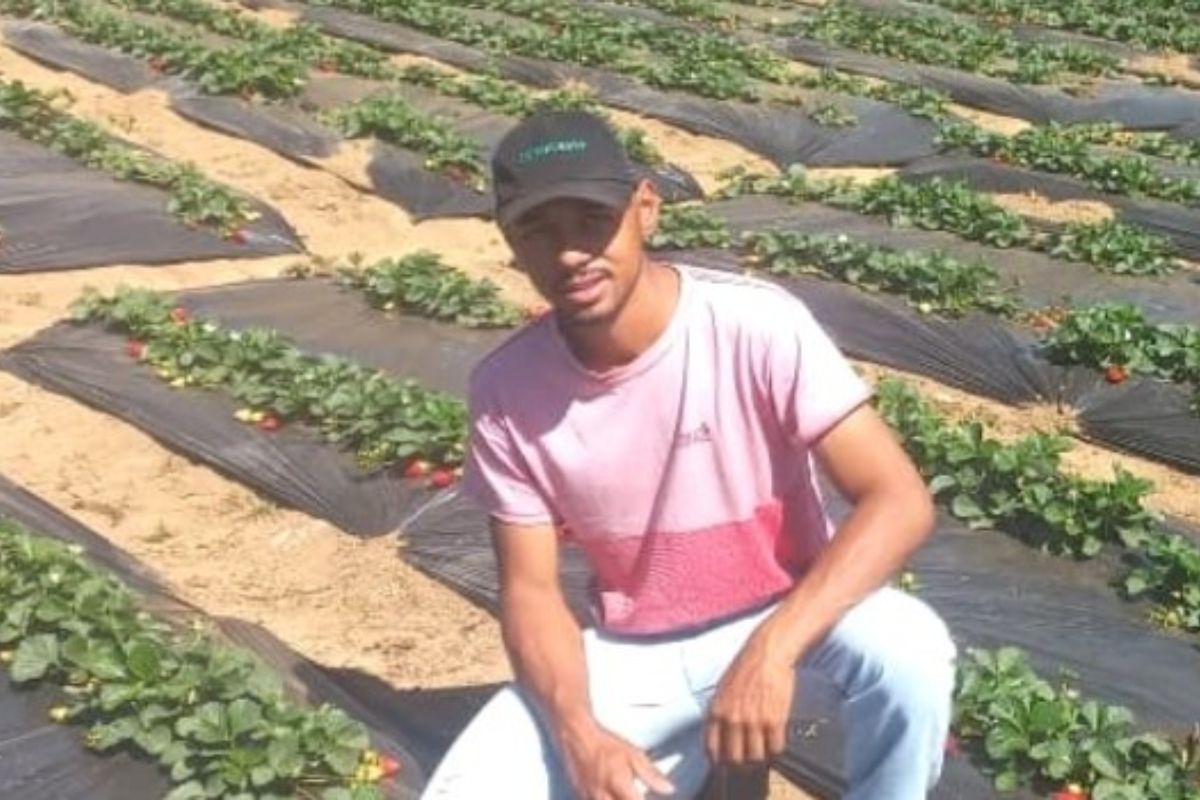

With Support from Emater-MG, the Future in the Field Program Encourages Young People from Seritinga to Produce Sustainable Organic Strawberries, Strengthening the Income of Rural Families in Seritinga
The Future in the Field Program, created by the Technical Assistance and Rural Extension Company of the State of Minas Gerais (Emater-MG), has been transforming the rural landscape by encouraging young farmers to innovate and undertake in the field, according to an article published.
In Seritinga, in Southern Minas, young producer José Lucas Faria Corrêa, 26 years old, is an example of how the initiative can combine technical training, sustainability, and income generation.
Since he started investing in the cultivation of agroecological strawberries, with support from Emater-MG, José Lucas has diversified the family production and opened new markets.
-
India’s Sugar Export Cuts and Ethanol Shift Amid El Niño Threat Could Impact Global Prices and Stocks

-
Quarantine Pest Threatening Palm Trees Puts Brazilian Authorities on Alert, Prompts Monitoring at University of Taubaté and Potential Control Measures Across São Paulo
-
Global Alert: Report Finds 159 Pesticides in Coffee Beans Sold in Europe, Posing Serious Risks to Millions of Farm Workers
-
Green Roofs on Homes Gain Popularity for Reducing Heat, Noise, and Rain Impact in Brazil



The program aims to encourage young people to stay in the countryside, with technical support, courses, and incentives for productive innovation, promoting sustainable development and strengthening family farming.
Sustainability and Innovation in Organic Strawberry Cultivation
With the support of the Future in the Field Program, José Lucas began, in May 2025, his first harvest of agroecological strawberries in an area of 500 square meters.
The Emater-MG project provides continuous technical support, promoting sustainable practices and proper soil management.
In addition, the producer participates in technical visits and training on organic cultivation and efficient use of irrigation.
According to extensionist Milene Soares, Emater-MG’s encouragement was decisive for the young man to invest in a new crop, substituting some vegetables for a higher value production.
The initiative reinforces the role of innovation in family farming and demonstrates that investing in knowledge is the path to sustainability and the permanence of new generations in the countryside.
Training and Strengthening the Income of Young Farmers
The Future in the Field Program offers participants a set of essential tools for productive success, such as tool kits, seeds, irrigation systems, and specialized technical support.
Young people between 16 and 29 years old receive virtual and in-person training, focusing on entrepreneurship and sustainability.
Currently, 506 young people from Minas are participating in the program, which received an initial investment of R$ 1.9 million from Emater-MG.
José Lucas, who also supplies vegetables to the National School Feeding Program (Pnae), is already planning to include strawberries at regional markets and invest in organic certification.
These actions strengthen family income, increase producer autonomy, and encourage productive diversification on rural properties.
Future in the Field Program: Family Farming and Rural Succession in Minas Gerais
José Lucas’s experience shows how the Future in the Field Program strengthens rural family succession in Minas Gerais and contributes to the sustainable growth of agricultural communities.
The program brings together three main fronts: Young Coffee Producers, Young Dairy Producers, and Young Rural Entrepreneurs, covering activities such as Poultry Farming, Beekeeping, Fruit Farming, and Vegetable Farming.
In Seritinga, organic strawberry cultivation has become an example of innovation and opportunity for young people who wish to stay in the countryside, combining tradition and modernity.
Technical support and access to knowledge have generated concrete results, showing that it is possible to produce with quality, respect the environment, and ensure stable income for rural families in Minas who believe in the future of the field.







