Portuguese
  Spanish


Understand How PL 4.386/2024 May Disable the Renewable Energy Sector, Creating Legal Obstacles and Affecting Investments in Rio Grande do Norte.
The renewable energy sector in Brazil has grown significantly over the past few decades; therefore, it has consolidated the country as one of the leaders in clean energy production, especially wind and solar.
In addition, states like Rio Grande do Norte stand out in this scenario, thanks to favorable natural conditions and continuous investments in infrastructure and technology.
However, Bill 4.386/2024 warns that poorly structured legal measures may disable the renewable energy sector.
-
In a Place Many Doubt Solar Power Works, 360 Panels Operate in the Arctic, Harnessing Reflected Snowlight to Reduce Diesel Use at an Isolated Station

-
Island in Brazil Innovates by Installing 184 Solar Panels on Urban Lagoon to Generate Clean Energy
-
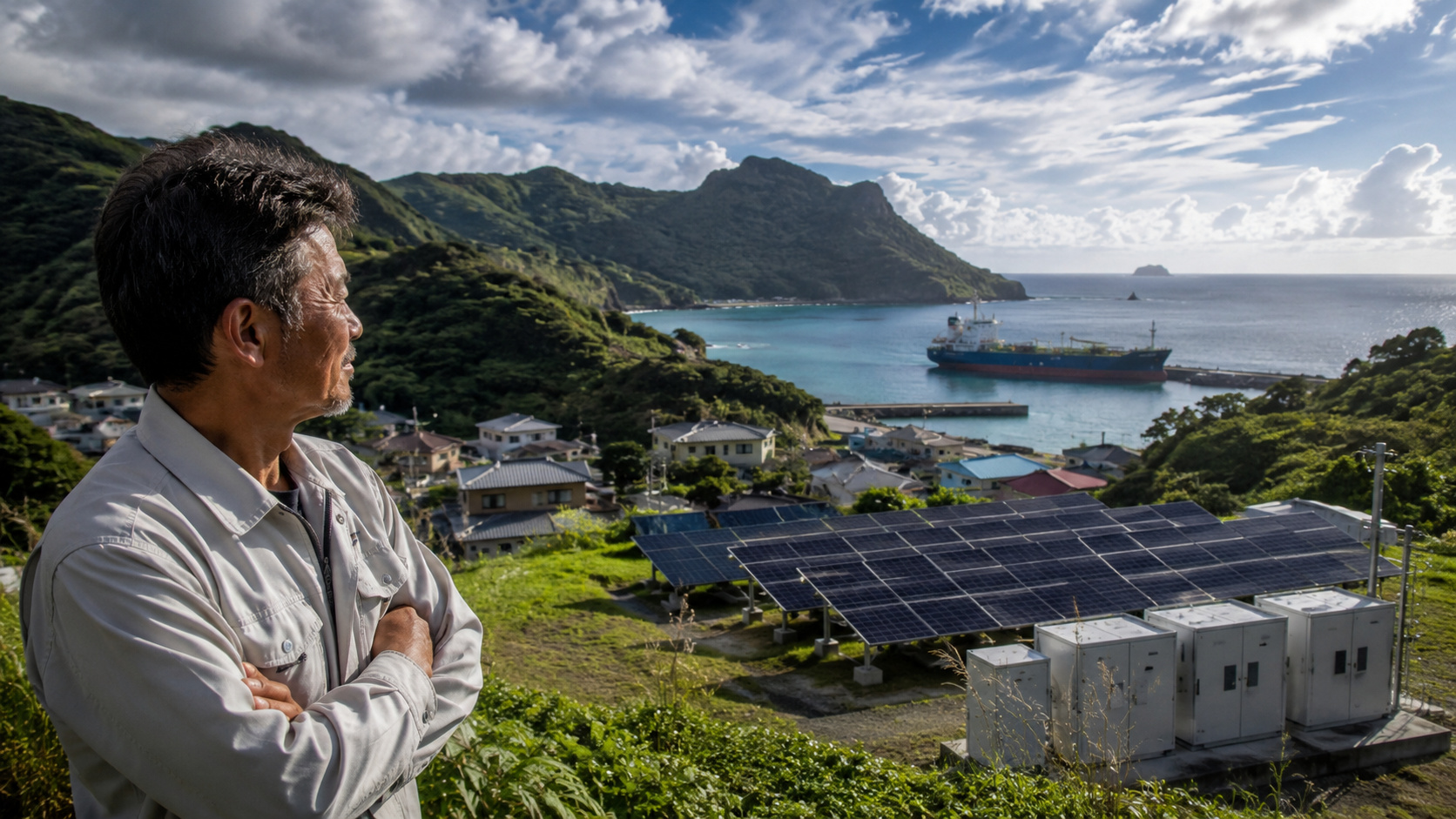
Japanese Island of 417 Residents to Test Living Half the Year Solely on Solar Power, Reducing Dependence on Diesel Brought by Ship
-
Brazilian Fishermen Use Solar Power to Produce Nearly One Ton of Ice Daily, Preventing Fish Spoilage Before Reaching Market



These measures threaten not only economic development but also the social and environmental advances achieved over the years.
Historically, Brazil has taken important steps in the diversification of its energy matrix.
During the 1990s, the country began to invest more consistently in alternative energy sources, as it sought to reduce dependence on fossil fuels and expand electricity generation with low environmental impact.
For this reason, wind energy began to gain ground in the early 2000s, when studies on favorable winds in the Northeast showed the region’s potential to generate electricity efficiently and sustainably.
Meanwhile, solar energy, although more recent, has grown rapidly in the last decade. This growth occurred due to the decrease in photovoltaic panel costs and the increase in demand for clean and accessible energy.
Furthermore, the growth of the renewable sector in Brazil takes place in a context of greater global environmental awareness.
The country has started to participate in international agreements to reduce greenhouse gas emissions and commitments related to the energy transition.
In this sense, maintaining a favorable environment for new clean energy projects becomes strategic not only for Rio Grande do Norte but for the entire country.
Therefore, measures that complicate licensing or create excessive bureaucracy can disable the renewable energy sector, reversing historical achievements.
The Role of Rio Grande do Norte in Clean Energy
Rio Grande do Norte has become a national reference in this context.
With hundreds of wind farms in operation, the state produces a significant share of the country’s wind energy.
Moreover, investments have generated local development, jobs, income for rural property owners, and improvements in infrastructure in historically forgotten regions.
According to data from the Department of Economic Development, the wind and solar sectors have generated thousands of direct and indirect jobs and billions of reais in investments over the past few years, consolidating Rio Grande do Norte as a protagonist in clean energy production.
However, PL 4.386/2024 proposes rules that, according to experts and sector representatives, may disable the renewable energy sector in the state and the country.
For example, the proposal requires that any wind project with a capacity of over 3 megawatts conducts environmental impact assessments (EIA/RIMA), regardless of size.
As a result, even small projects will have to follow lengthy and complex processes, similar to those for large industrial works, such as refineries.
This requirement, considered disproportionate, creates barriers to new investments, increases costs, and consequently may discourage companies from expanding their operations.
Furthermore, the project mixes licensing and granting criteria for different energy sources, treating wind, solar, and thermoelectric energy the same way.
For experts, this approach ignores the technical and environmental differences between each type of generation, demonstrating a lack of understanding about the operation and management of renewable energy projects.
Thus, each energy source has its own characteristics that require specific analyses.
The imposition of uniform rules may generate legal insecurity and delays in implementing new projects.
Another relevant aspect is that the PL limits contracts to 20 years, while traditional concessions last up to 35 years.
Consequently, this mismatch creates instability and insecurity for investors, who plan long-term projects.
As a result, Brazil runs the risk of losing competitiveness against other countries that offer more predictable and secure conditions for investments in clean energy.
Consultations and Social Impacts
The PL also expands consultation with communities, known as Prior Informed Consent (PIC), to any affected group, not just traditional peoples and communities, as provided by ILO Convention 169.
In practice, this would allow neighboring groups to contest projects, increasing the risk of litigation and delays.
Therefore, experts affirm that the renewable energy sector maintains open dialogue with communities.
Local contracts and partnerships promote direct benefits, such as income for property owners and infrastructure for the population.
The potential impact of these measures goes beyond the regulatory environment.
Indeed, the renewable energy sector plays a central role in the Brazilian energy transition. This transition aims to reduce dependence on fossil fuels and fulfill global environmental commitments.
Therefore, by creating legal and bureaucratic obstacles, the PL threatens not only the expansion of clean energy but also Brazil’s position in the international arena.
Countries that invest in renewable energy attract foreign capital, promote technological innovation, and generate qualified jobs.
Thus, measures that disable the renewable energy sector may result in the loss of these opportunities.
The debate over the project also involves the social issue.
Deputy Fernando Mineiro, the author of the PL, claims that the proposal corrects social distortions and protects communities affected by large wind and solar parks.
He assures that the legislation aims to promote justice, transparency, and participation in licensing processes.
Although the intention to protect social and environmental rights is legitimate, critics argue that the law, in its current form, may generate opposite effects.
It may hinder investments and threaten the economic development of the regions involved.
Additionally, the expectation of a quick return on investments may be impacted.
Indeed, renewable energy projects require long-term planning and monitoring. Any changes in the rules may compromise economic viability.
Therefore, the sector needs regulatory stability to continue attracting investors and ensuring social benefits.
Historical and Economic Challenges of the Sector
The renewable energy sector in Brazil faces historical challenges that go beyond legislation.
Indeed, the need to expand transmission infrastructure, reduce bottlenecks, and ensure access to technology are central issues for sustainable growth.
Consequently, an excessively rigid or poorly planned regulatory environment exacerbates these challenges.
Therefore, experts advocate for dialogue, technical basis, and balanced rules that allow the sector to grow without compromising social and environmental rights.
The economic impact of the PL is also notable.
Future wind and solar projects in Rio Grande do Norte amount to tens of billions of reais in investments by 2030.
Therefore, imposing rigid and generic requirements may reduce investor interest.
This directly affects the local economy and the job market.
Historically, the growth of the renewable energy sector occurs with predictable and stable investments.
These investments allow for long-term planning, technological innovation, and the generation of qualified jobs.
Moreover, the energy transition is a global priority.
Countries that lead the production of clean energy gain strategic advantages in terms of competitiveness and sustainability.
Therefore, regulatory setbacks not only threaten national progress but may also compromise Brazil’s position in international treaties and agreements for environmental preservation and reduction of greenhouse gas emissions.
International perception also influences investments.
Indeed, foreign companies consider the regulatory environment, clarity of rules, and dialogue with communities as decisive factors.
Thus, if Brazil creates disproportionate obstacles, it may lose important opportunities in a competitive global market.
Paths to Regulatory Balance
In light of this scenario, experts and sector entities emphasize that balanced measures are essential to ensure that the renewable energy sector continues to grow.
Therefore, well-structured public policies and legislation must encourage investments, promote technological innovation, and protect communities without creating disproportionate barriers.
International experience shows that countries that adopt clear, transparent rules tailored to local characteristics can attract investments, generate jobs, and reduce environmental impacts simultaneously.
In conclusion, Bill 4.386/2024 highlights that poorly structured legislative decisions can disable the renewable energy sector, with significant economic, social, and environmental effects.
Indeed, Brazil’s history in expanding clean energy demonstrates that balancing social protection, environmental preservation, and investment stimulation is essential.
The current challenge is to build a regulatory environment that allows the country to maintain its prominent position in renewable energy generation, promote sustainable development, and ensure that the benefits of clean energy reach all regions and communities involved.
Therefore, attention to these issues will determine whether Brazil will continue to advance in the energy transition or suffer setbacks that will affect future generations.