Portuguese
  Spanish


Renewable energy companies have suspended nearly R$ 40 billion in investments between 2025 and 2026 and, in addition, are already considering reducing their presence in the Northeast — a region that concentrates most of the wind and solar projects in the country. This movement occurs, especially, in a context of rising costs, loss of tax incentives, and the advance of what is called curtailment, which limits energy generation.
Currently, the scenario combines old factors with recent changes that, in turn, have significantly increased the risk of projects. On one hand, the demand for energy is growing at a slower pace than expected. On the other hand, new rules and charges have begun to pressure the profitability of power plants. As a result, this set of factors has created an environment of uncertainty, leading companies to reassess their plans and, in some cases, even consider migrating to other regions of Brazil.
According to industry associations, the affected volume reaches R$ 38.8 billion, including canceled projects, frustrated investments, and suspended contributions. Consequently, the impact is already beginning to be felt in the production chain, with reports of factories reducing their operations and, in more critical situations, shutting down activities in the Northeast.
-
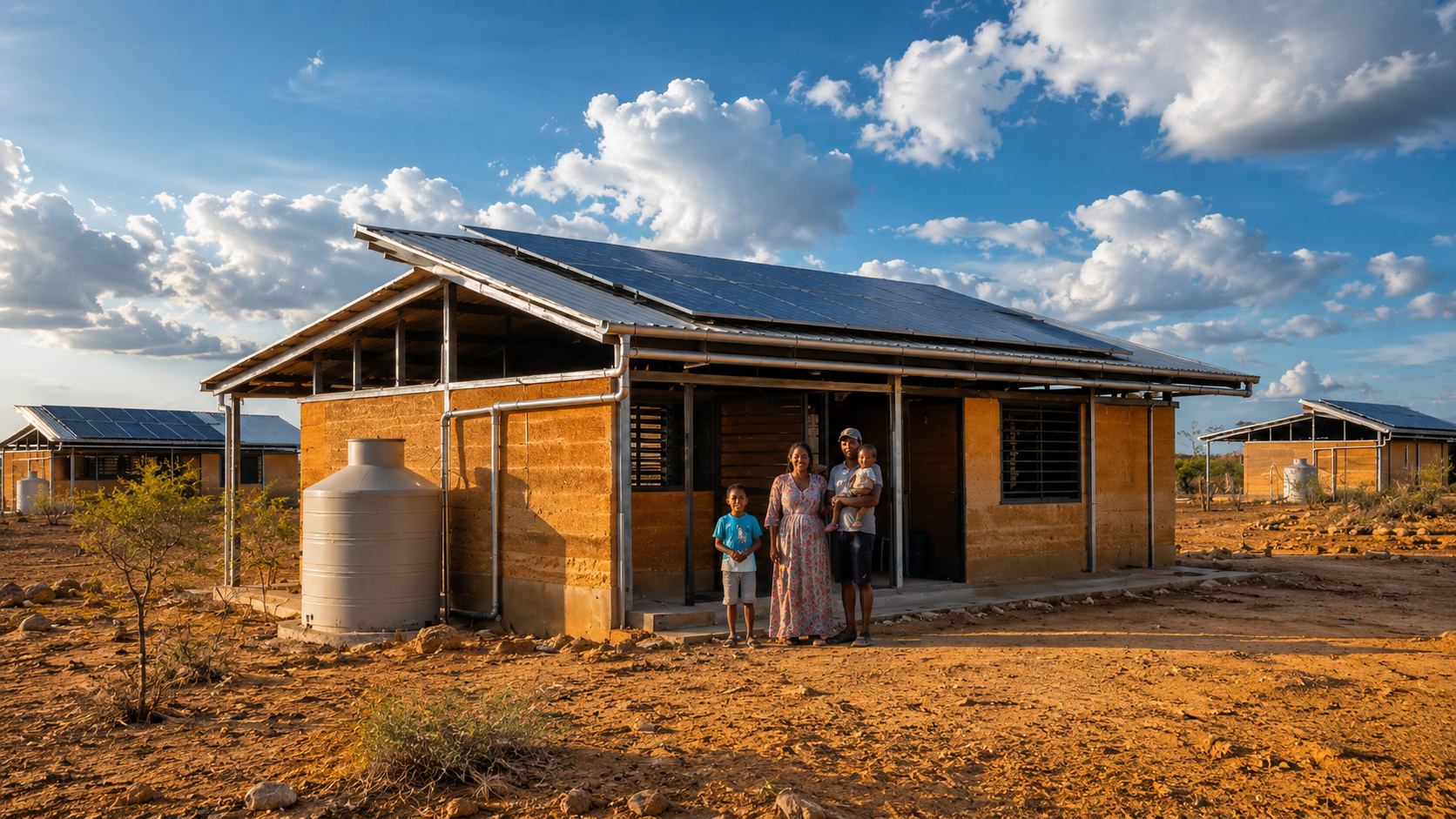
In Colombia’s desert, 30 families receive 80 m² homes with solar panels, waterless toilets, and rainwater collection systems amid water and energy shortages.

-
Engie Secures 10-Year Use of 625 MWh in Batteries to Store Excess Solar and Wind Energy in Spain by 2028
-
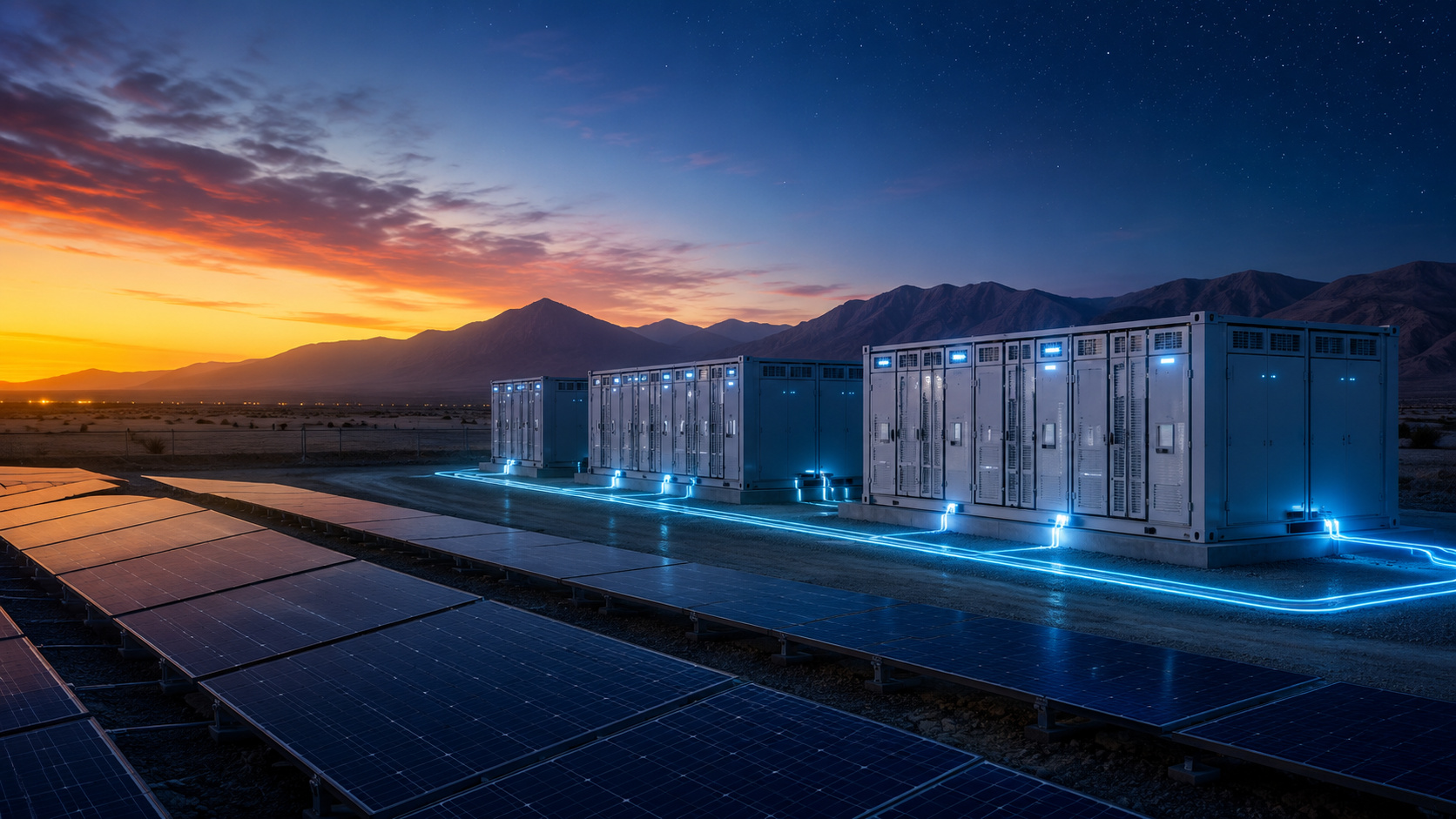
Giant Batteries Take Center Stage in Chile Auction as Company Offers 960 GWh of Solar Energy for Nighttime Use, Aiming to Stabilize Solar Power Supply
-
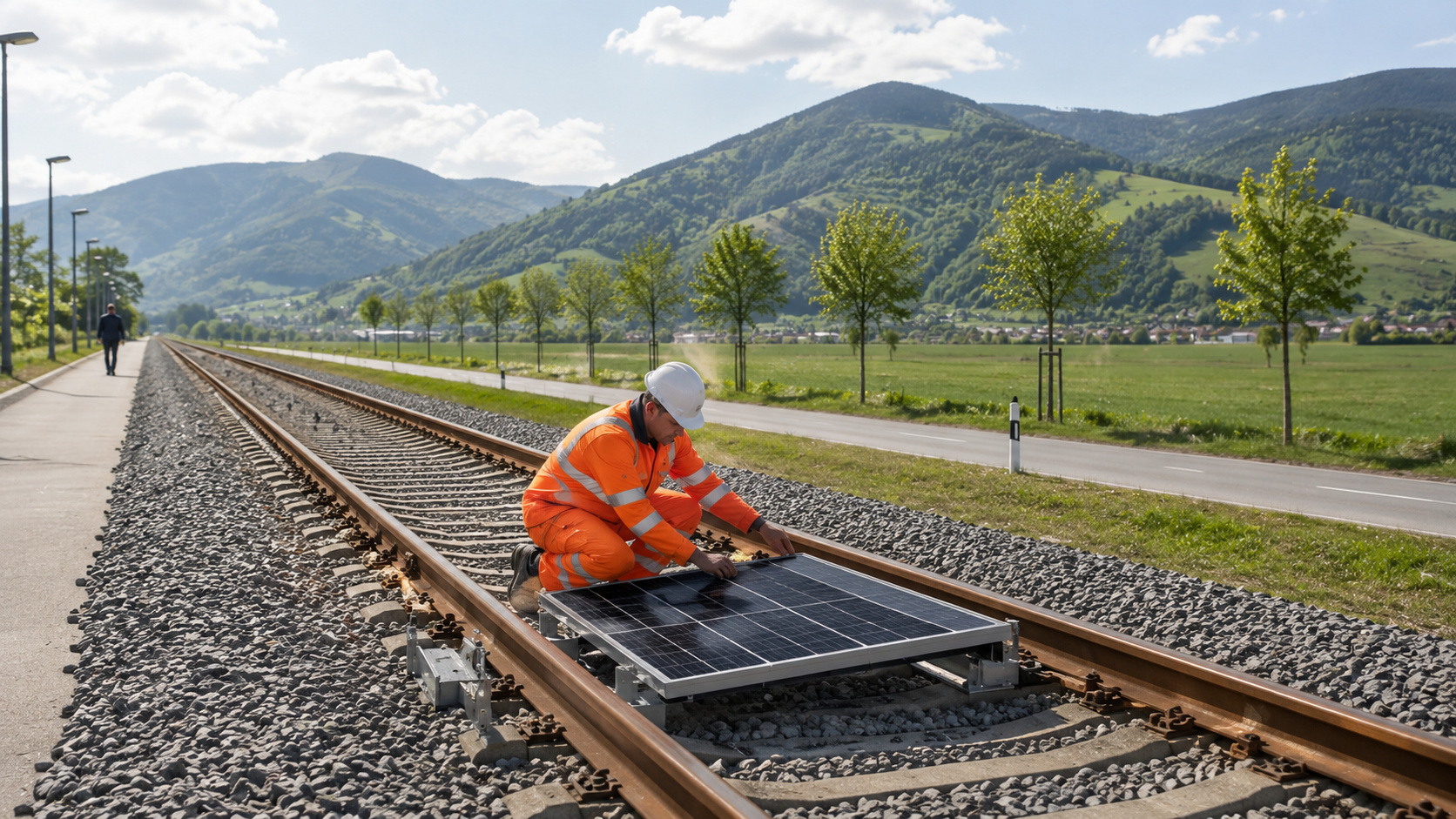
After a Year of Success in Switzerland, Solar Railway Attracts Italy’s Interest for Clean Energy Transformation

Why renewable energy companies are suspending investments
The decision to hold back investments is not actually related to a single factor. On the contrary, it is a set of conditions that, when combined, have altered the economic logic of the projects. Among the main points cited by the sector, the following stand out:
- Slow growth in energy demand
- Curtailment (forced reduction in generation)
- Loss of tax incentives
- Increased regulatory requirements
- Rising cost of using the electrical grid
Thus, this scenario reduces predictability and, at the same time, complicates the financial viability of new ventures. Considering that this is a sector that requires high initial investment, any change in the rules directly impacts the decision to proceed — or not — with the projects.
What is curtailment and why has it become a central problem
Curtailment occurs when renewable plants need to interrupt generation, even under favorable conditions of sun or wind. This happens mainly to avoid overloading the national electrical system.
In practice, the country produces more energy than it can consume or distribute at certain times. Thus, to avoid a collapse of the grid, part of this generation is inevitably cut.
The problem is that, as a consequence:
- energy is no longer sold
- the investment does not return as expected
- the loss falls on the generator
Currently, the volume of wasted energy is already comparable to the generation of a large power plant, which, in turn, intensifies the pressure on the sector.
In light of this, one of the discussed solutions involves the use of batteries to store the surplus. However, despite the potential, implementation has not progressed at the expected pace.

Loss of incentives and new rules increase pressure on the sector
In addition to operational challenges, recent changes in energy policy have also contributed to the current scenario. In this context, the Provisional Measure 1304 brought new conditions for access to Reidi, a regime that grants tax benefits to infrastructure projects.
Under these new rules, solar and wind power plants can only access the incentive if they are integrated into storage systems. As a result, an additional barrier was created, especially since not all projects were structured with this type of technology.
Another critical point concerns the transfer of costs from the so-called capacity reserve — a mechanism used to ensure energy during periods of low renewable generation. With the change, this cost began to be passed on to new ventures, consequently raising the final price of the projects.
Thus, the direct effect is a reduction in economic attractiveness, especially in regions farther from major consumer centers.
Northeast concentrates investments and is the most affected by the crisis
The Northeast accounts for more than 95% of investments in wind and solar energy in Brazil, mainly due to the combination of constant wind and high solar incidence.
However, what was once a competitive advantage has become a risk factor in light of the new rules. Among the already identified impacts, the following stand out:
- return of 141 grants, totaling R$ 18.9 billion
- about R$ 5.9 billion in frustrated investments
- more than R$ 14 billion in suspended contributions
In addition, there are consistent reports of factory closures, layoffs in the industrial sector, and the halting of new projects. In this sense, the scenario raises an important alert about the sustainability of the current model, heavily based on the geographical concentration of generation.
Companies begin to evaluate migration to other regions
Faced with cost pressures and, simultaneously, the difficulty of energy distribution, some companies are already analyzing redirecting their investments to states closer to consumer centers.
Among the alternatives mentioned are Mato Grosso do Sul, Rio Grande do Sul, and Mato Grosso. Although these regions present less favorable natural conditions compared to the Northeast, they offer a relevant logistical advantage: lower transmission costs and greater proximity to demand.
Transmission cost and distance from consumer centers weigh in the balance
Another factor that has become significantly important is the increase in electricity network usage tariffs, defined by resolutions from Aneel.
As a result, the new rules raised costs for plants located far from major consumer hubs, especially in the North and Northeast regions. In practical terms: the greater the distance of the project, the higher the transmission cost. Consequently, the final price of energy rises and the competitiveness of the plant decreases.
Government defends review of incentives and rebalancing of the sector
From the federal government’s perspective, the assessment is that the incentives granted in the past have already fulfilled their role in consolidating renewable energies in the Brazilian matrix. Thus, the current proposal is to review these benefits, aiming to avoid distortions in the electrical system and impacts on consumers’ electricity bills.
However, this position conflicts with the sector, which argues that the removal of incentives occurred before resolving structural issues, such as curtailment and the lack of storage systems.
Battery auction seen as key piece to unlock the sector
In this context, one of the main demands from companies is the holding of auctions aimed at energy storage systems. This is because batteries are considered a direct solution to curtailment, as they allow for the storage of excess generated energy and its release later when demand increases.
Without this structure, waste persists, losses continue, and consequently, new projects become less attractive.
Data centers emerge as possible solution to increase demand
At the same time, there is an expectation that the arrival of large data centers in Brazil could boost the demand for electricity, creating space to absorb the production from renewable plants.
However, since there is still no structured national program for this sector, uncertainty remains, limiting the advancement of this potential solution.
Sector warns of the risk of losing investments in the energy transition
In general, sector associations assess that Brazil is at risk of missing a strategic window in the energy transition. Despite favorable natural conditions and a recent track record of attracting investments, the set of rules, costs, and uncertainties may slow down this progress.
Without adjustments, the scenario may evolve into a reduction of new projects, the migration of investments to other regions or countries, and furthermore, the weakening of the industrial chain linked to renewable energies.


What is at stake for the future of renewable energy in Brazil
The suspension of nearly R$ 40 billion, therefore, is not an isolated move. On the contrary, it signals a significant change in the perception of risk and return within the sector.
Although the Northeast continues to be a reference in generation potential, the regulatory and economic environment has come to weigh even more in investment decisions.
Thus, the next steps will depend on strategic decisions involving energy storage, incentive models, transmission costs, and system expansion planning. Otherwise, the country may see a sector that has grown rapidly in recent years gradually enter a deeper phase of deceleration.