Portuguese
  Spanish


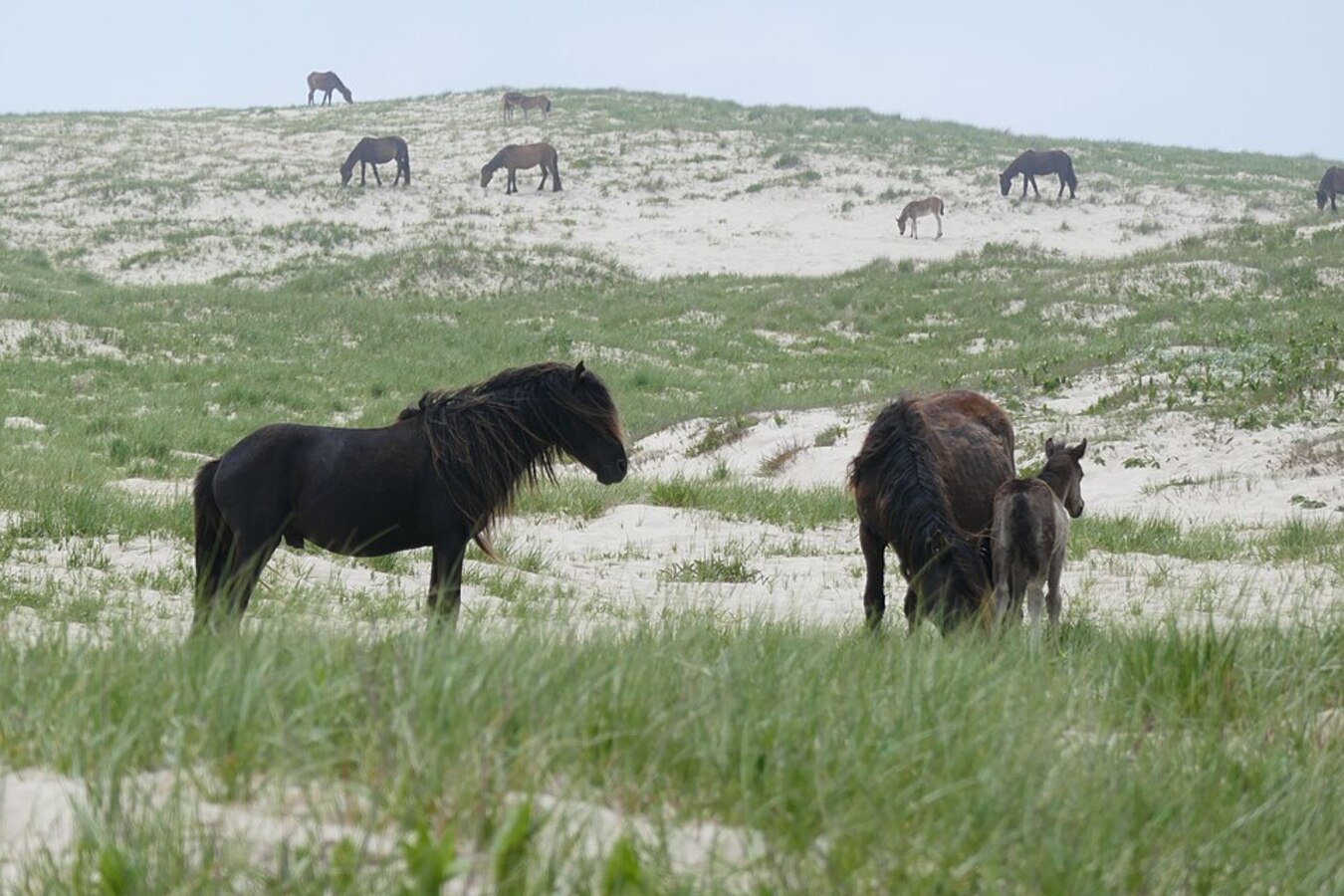


Isolated In The North Atlantic, Sable Island Is Home To Wild Horses, Shifting Dunes, And One Of The Rarest And Most Protected Ecosystems On The Planet
Isolated in the middle of the North Atlantic, there exists an island where time seems to follow its own rules. Located 175 kilometers off the coast of Nova Scotia, Canada, Sable Island surprises with its beauty, fragility, and strict preservation rules. To enter, visitors literally need to disinfect their shoes.
The protection is not by chance. The island is home to one of the rarest ecosystems on the planet. There are no mosquitoes, snakes, or ticks.
In compensation, wild horses run free across the dunes, and only a single tree has managed to grow in that sandy soil.
-
Brazilian Airport to Receive $2.8 Million Investment, Completion Expected Within a Year

-
UN Warns of AI’s Environmental Impact and Calls for Greater Corporate Transparency

-
Former Atacadão Employee Turns Online Cake-Baking Lessons into a Confectionery Brand with Factory, Store, Delivery, and Nearly $400,000 in Revenue
-
Brazilian Startup Sells Nearly 9 Million Surprise Bags of Near-Expiry Food, Prevents Thousands of Tons of Waste, Aiming for $42 Million Revenue by 2026




National Park With Fewer Than 10 Inhabitants
Sable Island, also known as “île de Sable” (island of sand, in French), is 45 kilometers long and only 1.5 kilometers at its widest point.
Since 2013, it has been considered a protected national park. Fewer than 10 people live there.
The area is dominated by dunes and natural freshwater lakes. Its highest point is called “Bald Dune,” at about 30 meters high.
But everything is in constant transformation. The strength of the winds and tides moves the island, which has lost several kilometers in length over the years.
The Famous Wild Horses
Among the main attractions are the wild horses, about 560 in total. They live freely, forming one of the most stunning scenes in Canada.
The origin of the animals is still a topic of discussion. Some researchers believe they came after a shipwreck. Others say they were brought by settlers.
But it was in 1959 that the future of the species changed forever. That year, the Canadian government considered removing them. The idea sparked a worldwide uproar.
Children from various countries wrote letters asking for the horses to be preserved. The pressure worked. Since then, they have been protected by law.
Winds, Tides, And Resilient Life
Despite the hostile environment, life persists. The extreme climate prevents the formation of dense vegetation. However, the island is home to rare species adapted to isolation.
Among the highlights is the gray seal colony, with about 50,000 pups being born each year.
Additionally, the absence of predators and typical insects, such as mosquitoes and ticks, helps maintain the balance of the ecosystem.
But this balance is delicate. Therefore, every visitor must go through a strict shoe decontamination process. Any external contamination can put the entire system at risk.
Graveyard Of The Atlantic
Sable Island is also known by another name: “graveyard of the Atlantic.” It is estimated that around 350 vessels have shipwrecked in the region.
The explanation lies in the natural traps. The submerged sandbanks, dense fogs, and the meeting of the cold Labrador current and the warm Gulf current make navigation dangerous.
In 1801, the Canadian government set up its first maritime rescue station there. Since then, accidents have decreased.
The last recorded shipwreck occurred in 1999. Today, entry is controlled and only allowed with special permission.
An island where the wind reshapes the landscape, wild horses roam free, and nature dictates the rules. Sable Island remains one of the most unusual and protected places in the world.
With information from ND Mais.