






 Portuguese
  Spanish


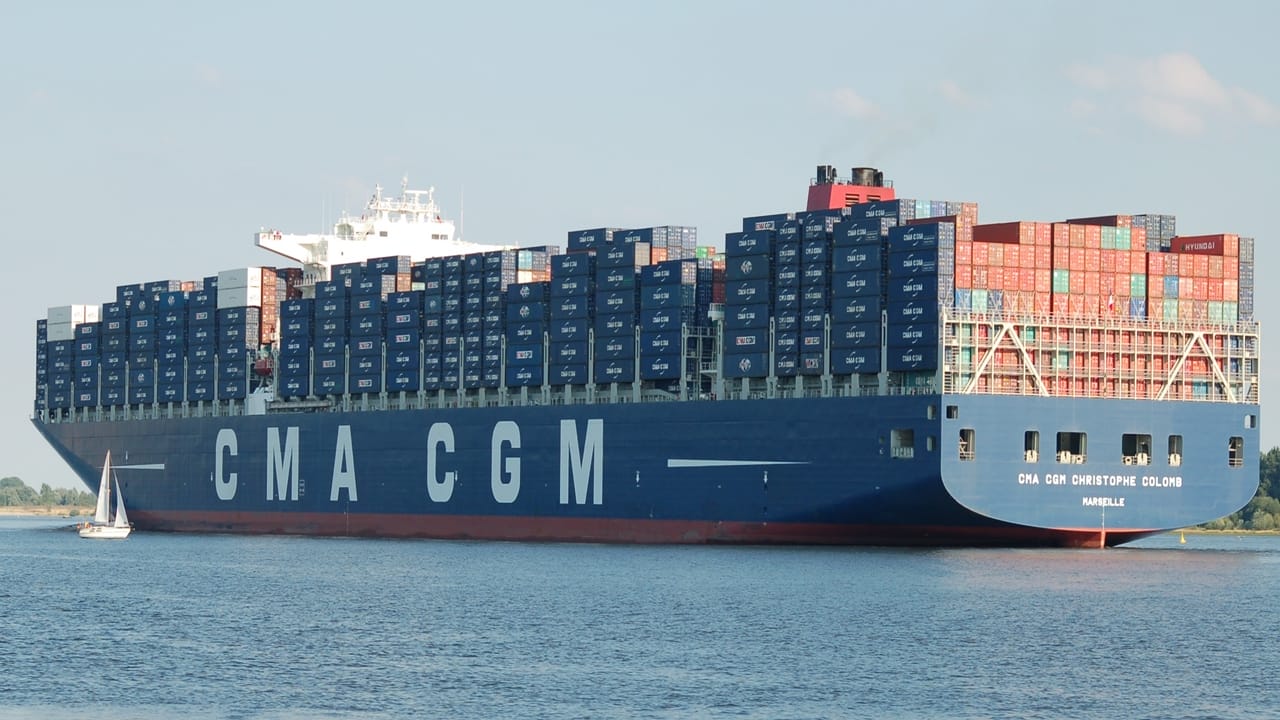


Learn More About Container Ships and the Energy Necessary to Move Them Across the Seas, Discover Their Engines and Propulsion Units
Container ships are one of the biggest innovations in the industry of maritime transport. Specifically designed to carry cargo across the oceans, these ships have load capacities that have rapidly revolutionized the way goods are moved around the world. Built with steel, they range in size from small feeder ships to enormous ultra-large container ships capable of carrying more than 20,000 containers.
In this article, we will explore the construction of these ships, from the welding of the hull to the installation of the complex engines, and we will discuss how much energy is required to move them, as well as the importance of the propulsion units in moving these giants across the ocean.
.
-
France Revamps 530 Social Housing Units with Large Balconies and Glass Facades Without Demolishing Existing Buildings

-
10-Year-Old Max Makes History with Paris Fashion Show, Launches Own Brand, Hires Staff, and Sets World Record as Youngest Runway Designer

-
Bolivian Female Construction Workers Form Association to Combat Discrimination and 38% Pay Gap in the Industry
-
Near Amsterdam, residents buy land and discover they must also build streets, manage drainage, handle waste, and grow food on half their plot.




All the Power Behind the Maritime Giants: The Energy Needed to Move the Largest Container Ships in the World
The Construction of Container Ships
The construction of these giants of the sea is a complex process that takes months and involves several stages. The amount of energy required to move them is incredible, considering the size and weight of the transported containers. Container ships are designed and built by specialized shipbuilders, who cut steel plates and weld them together to form the hull. Once the hull is ready, the basic decks are installed and the engines, navigation equipment, and systems are added.
The Engines of Container Ships
The engines of these giants are complex and extremely important for their operation. They vary according to the size and capacity of the ship, but all have in common the need for a considerable amount of power to move the ship and its cargo. The third largest container ship in the world, the MSC Tessa, for example, uses a low-speed diesel engine.
The assembly of this engine begins with the construction of the engine block, which is made up of several individual parts precision-machined and then assembled into a single unit. The pistons are installed and connected to the engine’s crankshaft, moving up and down to generate power. The fuel and lubrication systems, as well as the turbochargers and air supply system, are crucial components to ensure the efficient operation of the engine. After the complete assembly, the engine undergoes extensive testing to ensure its safety, efficiency, and reliability.
The Energy Generated by the Engines
The engines of container ships are incredibly powerful. In the case of the MSC Tessa, its engine has a maximum power of 98,000 horsepower, allowing the ship to reach speeds of up to 23 knots. This power is essential for the ship to transport its enormous cargo capacity, which can exceed 19,000 containers, in a highly efficient manner across the world’s oceans. It is important to emphasize that the larger the engine and the higher the quality of steel used in the construction of the ship, as well as the systems and supporting infrastructure, the greater the complexity and cost of the ship.
The Engine Room and the Complexity of the Engines
The engine room of a container ship is an impressive environment, both in size and complexity. Visitors who have the opportunity to tour the engine room would be immediately struck by the size and complexity of the ship’s engines. With this complexity comes an incredible noise, with the engines producing a constant roar punctuated by the occasional whoosh of compressed air or the clinking of metal parts while moving.
Additionally, the heat generated by the engines can be intense, with temperatures often exceeding 38 degrees Celsius. Despite all the noise and heat, the engine room is a highly organized and controlled environment. Engineers and technicians move efficiently through the space, carefully monitoring gauges and screens to ensure everything is functioning properly. The constant activity is fascinating, and visitors can feel a sense of admiration for the complexity and power of the machinery around them.
The Propulsion Units
The propulsion units are essential components for generating the force that drives the ship through the water. Generally located at the bottom of the ship’s hull, they work together to create forward movement. There are several types of propulsion units commonly used in modern maritime transport, including water jets, pod drives, wind turbines, and propellers. Propellers are a common type of propulsion unit.
They work by using the rotation of a set of blades to generate forward thrust. If they are damaged or outdated, the propellers can be replaced without the need to take the ship to a dry dock. The external replacement process begins with the removal of the old propulsion units, which can be a challenging and time-consuming task. Once the old units have been removed, the new propulsion units are brought in and carefully positioned and secured in place. One of the main advantages of this type of replacement is that the ship’s propulsion system can be upgraded without interrupting its operations.
Contribution to the Environment
As technologies continue to evolve, the propulsion units and engines of container ships play an increasingly important role in helping the maritime transport industry reduce its environmental impact. The pursuit of more efficient engines and more sustainable propulsion systems is driving innovation in this area. The use of cleaner fuels, such as LNG (liquefied natural gas), and the adoption of technologies that reduce pollutant emissions are some of the measures taken to make container ships more environmentally friendly.
Container ships are true marvels of naval engineering, capable of transporting cargo on an unprecedented scale. Their size, complexity, and power make these ships impressive. From the construction of the hull to the installation of the engines and propulsion units, each stage of the construction process is carried out with precision and care. As the maritime transport industry evolves, it is essential that container ships continue to incorporate more efficient and sustainable technologies to protect the environment and ensure a cleaner and safer future for all.








Amigos bom dia, nessa matéria pouco informada que para um leigo na propulsão de navios, não foi informado que vários itens tem que estar em funcionamento para alimentarem o motor propulsor que são o seguinte:
1- Moto geradores de 400w cada motor que alimentam as bombas com energias, geralmente são 3 motores sendo que funciona 2 motores que funciona em paralelo enquanto o terceiro motor fica de stand by para qualquer anormalidade ou cumprir as horas de funcionamento entra na barra o terceiro motor.
2- Após colocar na barra o terceiro motor, o que saiu de funcionamento, entra em manutenção para troca de filtros e aperto de qualquer componente, após essa revisão, ele já está pronto para entrar em funcionamento no lugar do que vai parar após cumprir sua carga horária.
3- Os navios movidos a Fill oil(óleo combustível), o motor principal ou propulsor depende das bombas que são fundamentais para alimenta o propulsor.
4- Essas bombas são: 2 bombas de água doce, 2 de água salgada, 2 de óleo diesel, 2 de óleo pesado, 2 de óleo lubrificante,2 de óleo pesado(MF 380), que são os óleos combustível
5- No navio ainda tem os purificadores que são usados para purificar os combustíveis que estão nos tanques de armazenamento que, após passar pelos purificadores, irão para o tanque de consumo.
6- Lembramos que o combustível a ser usado no motor propulsor terá que está em uma temperatura de no mínimo 140C.
Fica aí minha contribuição.
7- Em tempo lembramos que a energia também usada nas gruas, também são geradas pelos motores auxiliares. mas conhecidos como motores geradores que seu funcionamento são atravéz de óleo diesel
Colaborar com alguns detalhes: O maior barulho de uma Praça de Máquinas, provem dos Motores Auxiliares que acionam os geradores. O Motor Principal faz menos ruído, já que sua rotação anda perto das 100 (cem) rpm. O combustivel mais comum é o óleo pesado, quase um piche que chega ao motor por tubos aquecidos e é um subproduto do refino do petróleo. O consumo é medido em gramas x bhp x hora. Na década de 80, quando trabalhava nisso o consumo andava por volta de 105 gramas x bhp x hora. Na época os maiores motores fabricados andavam por volta dos 42.000 bhp. Eram 12 cilindros com pistões de 900mm de diâmetro x 1800 mm de altura.
Parabéns Pelo comentário. Eu trabalhei em praça de máquinas do maior petroleiro Visconde de Cairu Petrobras e no maior Navio De Perfuração e armazenamento de petróleo da Transocean total 35 anos de mecânica