Portuguese
  Spanish


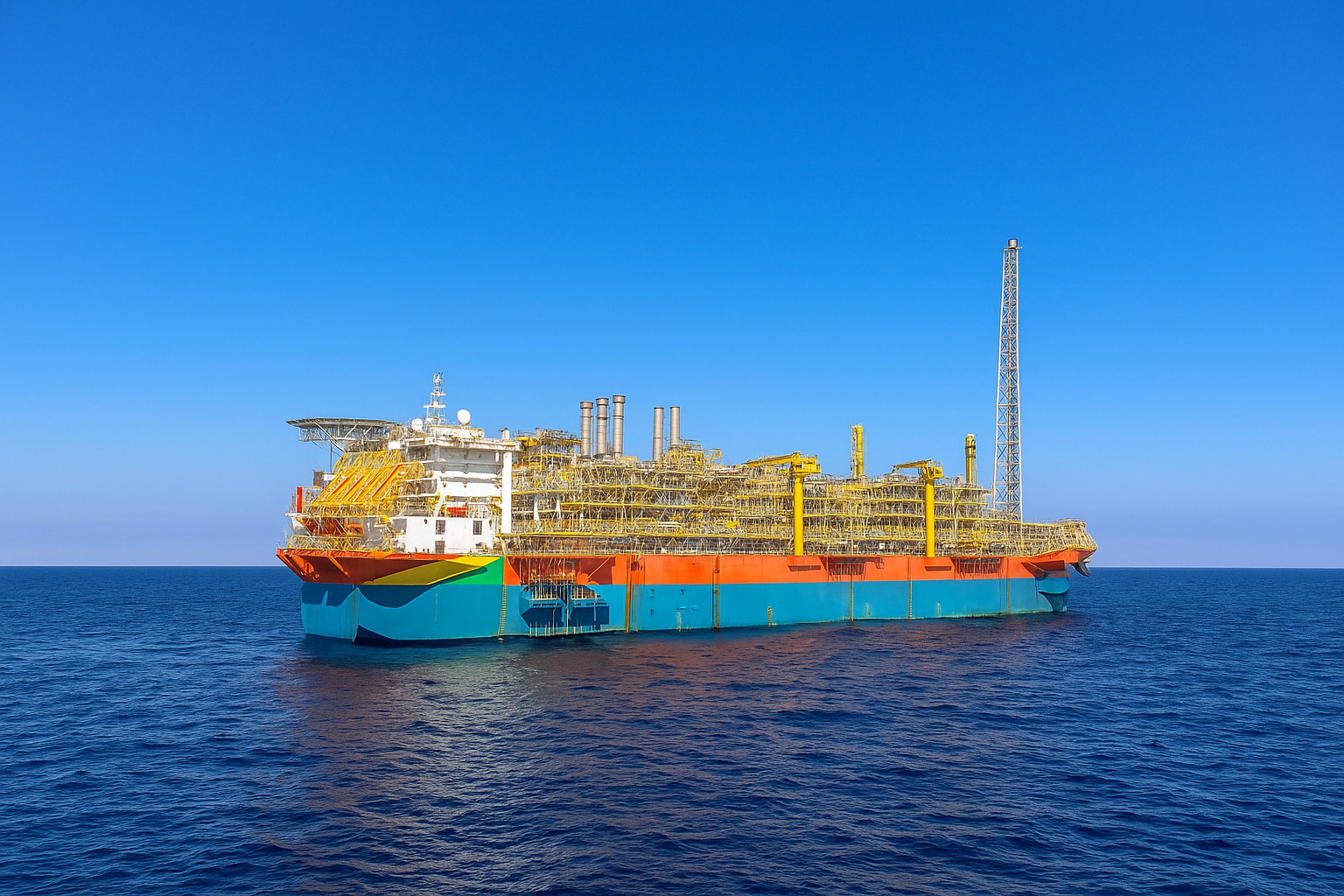


Increase in Global Oil Reserves Spurs Debate on Energy Future and Reinforces Strategic Importance of the Resource
Throughout history, global oil reserves have always played a central role in the global economic and geopolitical balance.
Recently, a report from Rystad Energy provided a surprising statistic: the global quantity of discovered recoverable reserves increased by 5 billion barrels in the past year.
This growth occurred despite a global production of 30 billion barrels in 2024.
The result is primarily due to the delimitation of additional potential in the Vaca Muerta formation in Argentina and the Delaware Basin in the United States.
Moreover, the total volume of recoverable global resources, including estimates for fields yet to be discovered, remains stable at approximately 1.5 trillion barrels.
This stability shows that, while production is intense, new discoveries and technologies continue to expand oil exploration capacity.
-
Petrobras Approves $1.2 Billion Refinery in Brazil to Produce Aviation Fuel and Diesel from Plants

-
Petrobras Secures $2.2 Billion Contract to Build and Operate Four Support Vessels for Brazil’s Offshore Oil Fields
-
Oil production grows in Rio, but reserve replacement raises a warning sign

-
Petrobras is expected to complete the drilling of the Morpho well in the Foz do Amazonas in August 2026, the first well in the Equatorial Margin, an oil frontier that the ANP estimates at more than 30 billion barrels and could redraw the map of Brazil.


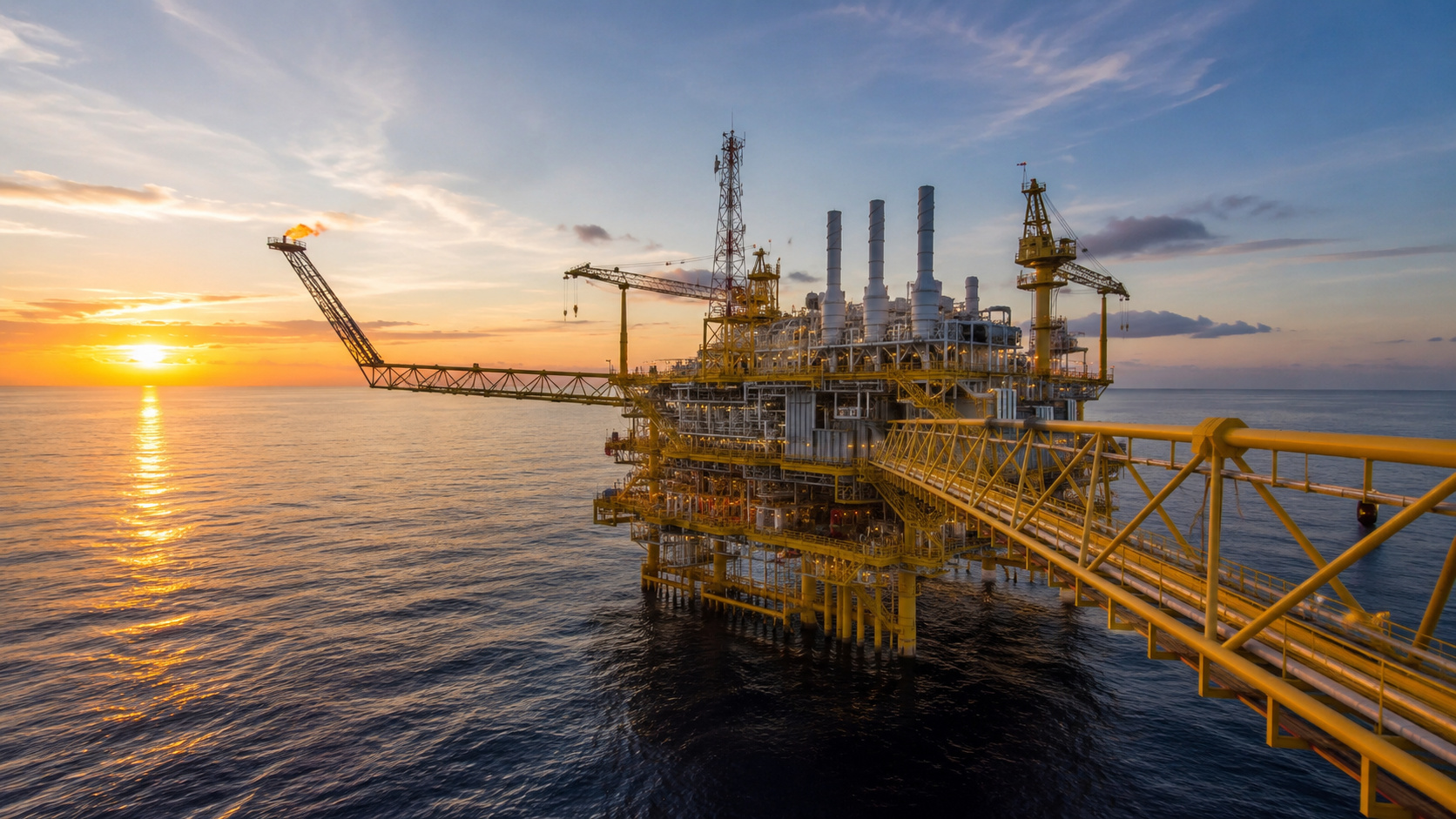

The expansion of these reserves not only strengthens global energy security but also directly impacts investment decisions and international policies.
Countries with large reserves can maintain strategic influence, while those with limited resources need to diversify their energy sources and accelerate the transition to renewable alternatives.
Historical Context and Challenges of Exploration
The study indicated that the most significant revision in the last decade occurred in undiscovered resources.
The projection was reduced by 456 billion barrels, reflecting the challenges faced by the industry.
This decline is explained by the decrease in exploration of frontier areas, the failures in developing shale deposits outside the Americas, and the substantial increase in offshore operating costs, which doubled in the last five years.
In the next five years, Rystad Energy estimates that the replacement of reserves from new conventional projects will not exceed 30% of production.
Exploration, in turn, only replaces about 10%.
These numbers indicate that the world will need to carefully plan the use of its reserves and prioritize projects with greater economic and environmental efficiency.
From 1900 to 2024, the historical production of crude oil reached 1.572 trillion barrels.
Currently, proved reserves equate to only 14 years of production at the current rate.
If global demand increases, as predicted by the OPEC, supply may struggle to keep up, even with high prices and attractive investments.
However, history shows that cycles of highs and lows in exploration are natural.
During the 20th century, major discoveries in the Middle East transformed the regional economy, while the development of the North Sea and modern offshore fields expanded global production.
Therefore, even though current challenges are significant, the industry continues to find innovative solutions to extract oil from complex areas.
The Impact of the Energy Transition
On the other hand, if the energy transition continues to advance, the demand for oil is likely to decrease.
The increased electrification of vehicles, especially in China, is a decisive factor in this movement, as it reduces dependence on fossil fuel for transportation.
Additionally, stricter environmental policies in different countries are encouraging investments in renewable sources.
This includes solar, wind, and hydroelectric energy, which offer increasingly competitive alternatives.
Consequently, oil will need to coexist with a more diversified energy supply landscape, and companies that do not adapt may lose ground in the global market.
For Rystad Energy’s Head of Analysis, Per Magnus Nysveen, the total extraction of resources will require prices stabilized at higher levels.
New increases in estimates will depend on technologies that reduce production costs, especially for exploring complex or hard-to-access fields.
He also emphasizes that, in the coming decades, the necessary capital may not be available to meet growing demand.
Moreover, service prices may skyrocket, and interest in investing in innovations that maintain high emissions will be limited, especially with global pressure to reduce pollutants.
Projections and Climate Scenarios
Rystad Energy believes that the demand for oil is not expected to grow sharply until 2050, which could contribute to a more balanced energy transition.
This scenario would reduce the risk of more extreme global warming scenarios forecasted by the IPCC, but will still require constant monitoring.
In the highest projected scenario, which would lead to a 2.5°C increase in global temperature, CO₂ emissions from fossil fuels would be limited to 2,000 gigatons.
Of this total, 900 Gt would come from coal, 600 Gt from oil, and 500 Gt from natural gas and natural gas liquids (NGLs).
This number is 500 Gt lower than the IPCC’s intermediate scenario, which forecasts a warming of 2.8°C.
Artem Abramov, Vice Head of Analysis at Rystad Energy, states that a world with stable or growing demand after 2030 would require another oil supercycle.
This scenario would demand significant increases in frontier exploration and success in drilling, as well as accelerating secondary recovery and developing shale fields outside North America at a large scale.
Additionally, the growth of horizontal drilling and hydraulic fracturing technology could expand production in areas previously deemed unviable.
Therefore, the industry continues to invest in innovation, demonstrating that technological efficiency will be decisive for the future of reserves.
The Strategic Role of Global Oil Reserves
The increase of 5 billion barrels in global oil reserves shows that, even in the face of the energy transition, the resource will continue to be vital.
The decisions regarding exploration, investment, and technology will have a direct impact on the balance between energy security and climate goals, influencing national policies and international relations.
With prices and demand fluctuating according to transformations in the global market, the future of reserves will depend as much on the capacity for innovation as on adaptation to new consumption models.
Furthermore, countries that combine responsible exploration with energy diversification will have significant strategic advantages.
History shows that oil has shaped economies, fueled conflicts, and determined strategic alliances.
Now, in the 21st century, the challenge is to find a balance between economic growth and environmental sustainability.
The result of this equation will define the role of oil in the coming decades and, consequently, the direction of global energy policies.
Therefore, understanding global oil reserves and their dynamics is essential for governments, businesses, and civil society, ensuring safer and more strategic decisions for the future.