Portuguese
  Spanish


Study Shows That 97% of Electric Car Owners Do Not Intend to Return to Combustion Vehicles, but Point Out Issues with Public Charging
Those who test an electric car rarely go back. This is evidenced by a new study conducted by Zap-Map, a service for accessing charging points in the United Kingdom. Among the 3,746 respondents, only 3% consider switching their electric vehicle for a gasoline or diesel model.
The survey, conducted in October, assessed drivers’ behavior and opinions on various aspects of the electric car experience.
Overall satisfaction was high. Drivers gave an average rating of 87 out of 100 to their vehicles. The main reasons cited for this were: lower cost of use and maintenance (78%), environmental benefits (73%), and better performance (65%).
-
Chery Offers Lifetime Battery Warranty and Car Replacement for Major Failures Under New Chinese Regulations

-
Nissan Discontinues Qashqai SUV Amid Cost-Cutting, Chinese Competition, and Product Line Review
-
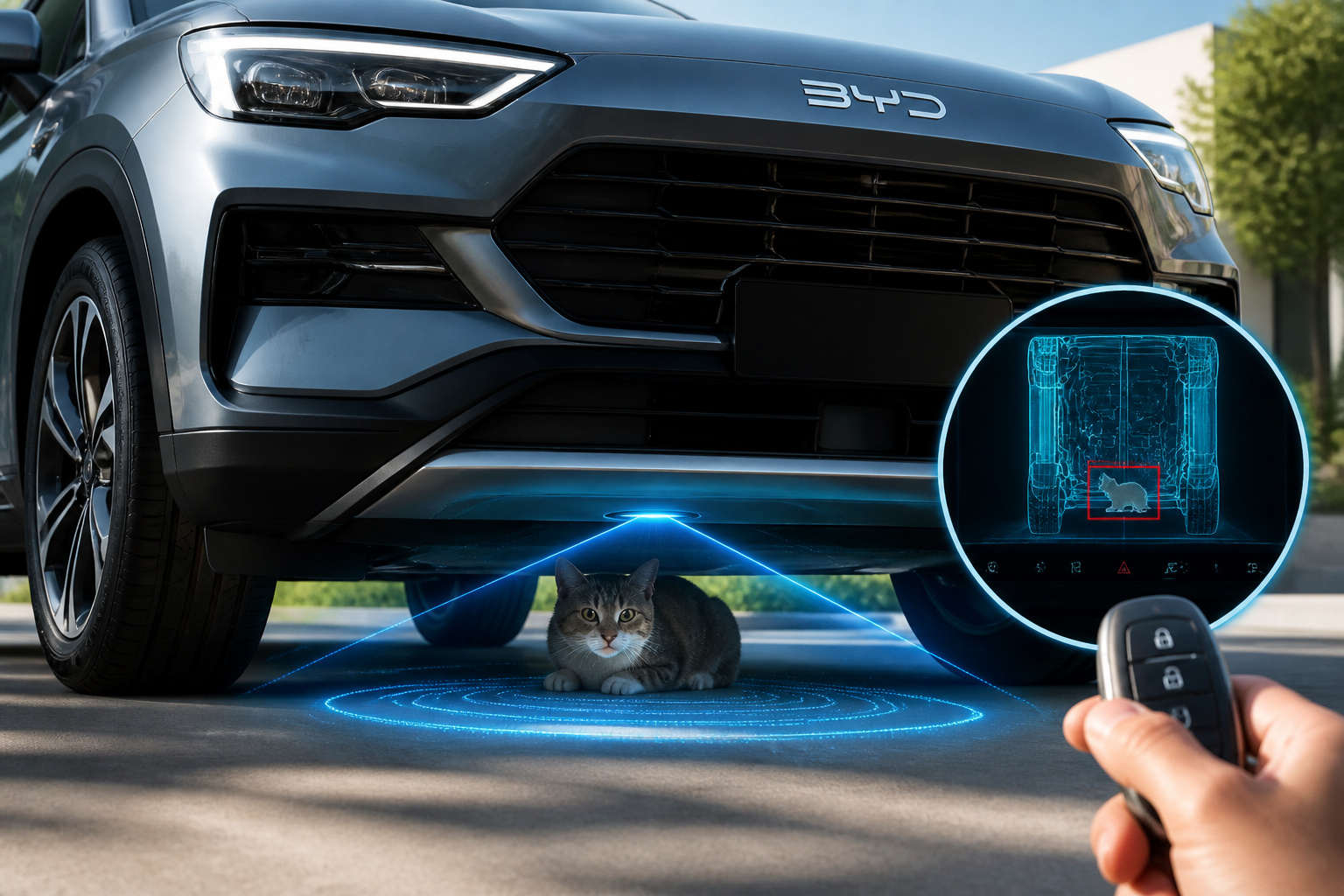
BYD Patents Revolutionary System Using Computer Vision to Detect Animals Under Cars Before Starting, Preventing Tragedies

-
BMW Completes $1.7 Billion Investment in the U.S. for Electric Vehicle Production, Positions South Carolina for New Generation as Rivals Reassess EV Race


High Satisfaction with the Car, but Not with Charging Points
Despite the high level of approval, the study revealed that there are still areas that need attention. One of them is the public charging infrastructure.
Even with 79% of drivers having home chargers, more than half (51%) stated they use public charging at least once a month. This shows how this network remains essential for drivers’ daily lives.
The problem is that the public infrastructure still has flaws. One example comes from Spain, where there is a lack of fast charging points with a power output of 150 kW or more.
Moreover, many units do not indicate whether they are functioning or not. According to mentioned data, one in four does not provide this type of information.
Supermarkets Cease to Be a Charging Option
Another interesting point revealed by the Zap-Map study is the drop in the use of chargers installed in supermarket parking lots.
In the United Kingdom, this usage has decreased by 32%. The explanation may lie in the elimination of free charging in these locations.
Additionally, the equipment installed in supermarkets is generally slower, with power of up to 22 kW, which may have also contributed to the decline in preference.
The study reinforces the perception that electric cars have won over their owners, but the advancement of electrification still depends on practical improvements.
Especially regarding public charging. This is the main complaint — and also the next barrier to be overcome for electric vehicles to advance even further.
With information from Xataka.