Portuguese
  Spanish




Oil Futures Contracts Ended Another Session of the Week in the Negative, Due to Weak Demand Signals from the Chinese Economy.
Oil futures contracts recorded another day of decline, reflecting the weak demand from the Chinese economy. WTI fell by 4.93%, reaching US$ 72, while Brent dropped 4.39%, hitting US$ 77, marking the lowest value in four months.
Investors are concerned about the fuel refining data in China, which showed a decline of 2.8% compared to October, contributing to the pressure on oil prices.
The reduction in crude oil processing is directly linked to the slowdown in industrial activity in China, as evidenced by the unexpected drop in the purchasing managers’ index (PMI) in October.
-
OPEC+ Boosts Oil Supply by 188,000 Barrels per Day in July 2026, Leading to Price Drop from $112 to $89 per Barrel in Under Two Months

-
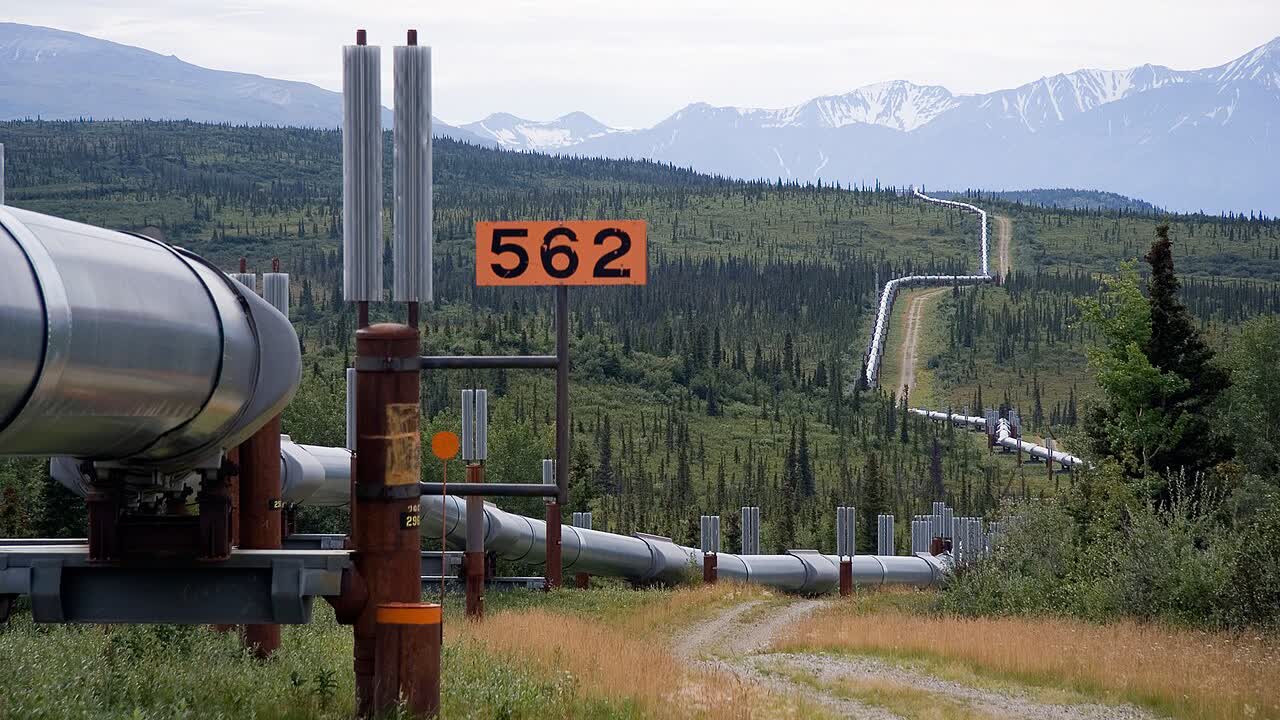
TotalEnergies Signs 20-Year Deal to Purchase 2 Million Tons of LNG from Alaska, Boosting Project Viability
-
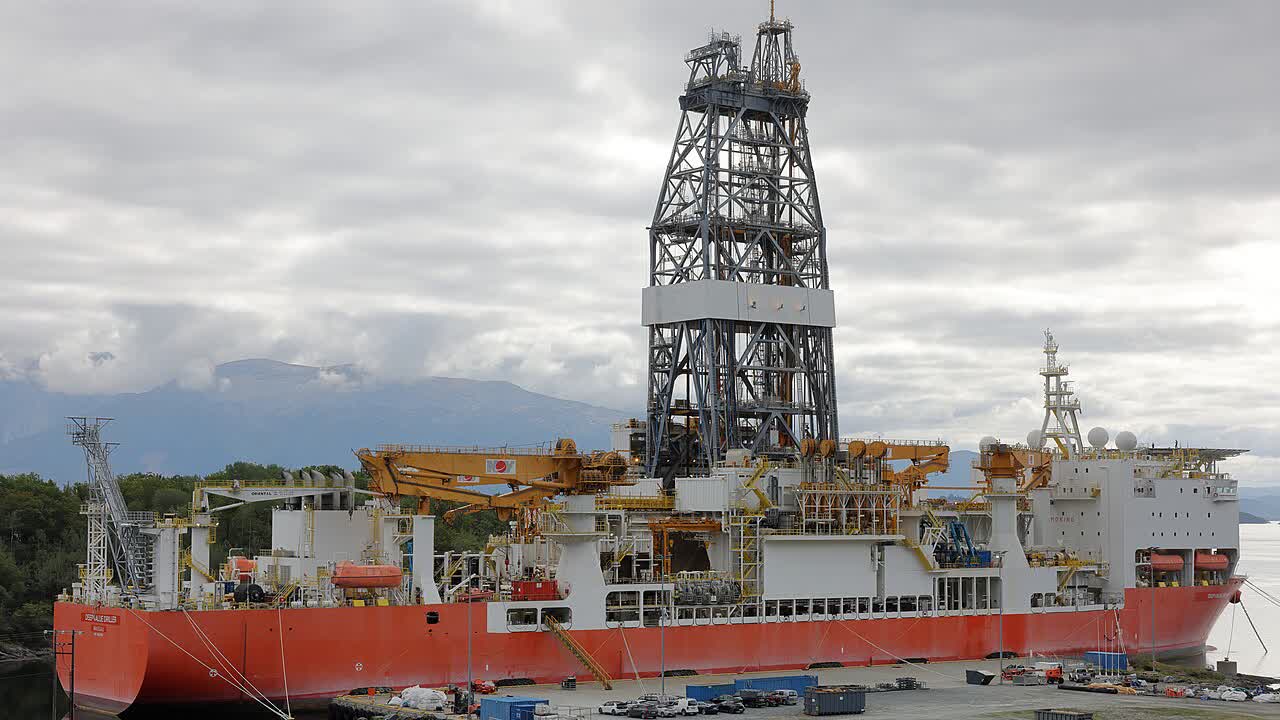
Turkey Deploys Çağrı Bey Drilling Ship to Explore New Oil Frontier Off Somalia’s Coast
-
Golden Pass LNG Ships First Liquefied Gas Cargo from the U.S., Completing $10 Billion QatarEnergy and ExxonMobil Investment

Despite the challenges faced, Julius Baer believes that China still has the potential to achieve the growth target of 5% by the end of 2023.
The real estate sector and foreign investments remain the main points of interest for the world’s second-largest economy.
Slowdown in Fixed Investments Affects Industrial and Infrastructure Sectors
A significant decrease in fixed investments has been observed, mainly affecting infrastructure projects and the industrial sector. The approval of the new round of stimulus for the construction sector through increased public spending is still pending, and its effects are expected to be felt more concretely in the coming months, as highlighted by economist Sophie Altermatt from Julius Baer.
Despite the concern of the market with recent data, the OPEC and the International Energy Agency (IEA) believe that the demand for oil may increase, particularly in Asia.
According to a report released earlier in the week, the cartel of oil producers thinks that the market’s reaction is exaggerated and believes that the global economy is more resilient than expected, which may result in higher energy consumption.
At the last general meeting, the OPEC decided to maintain the oil production cut policy unchanged. This reflects the cartel’s more positive outlook on global demand, which led the International Energy Agency (IEA) to raise its consumption projection by 100,000 barrels per day (bpd). As a result, global oil consumption is expected to grow by 2.4 million bpd by the end of 2023.
Source: Money Times