Portuguese
  Spanish


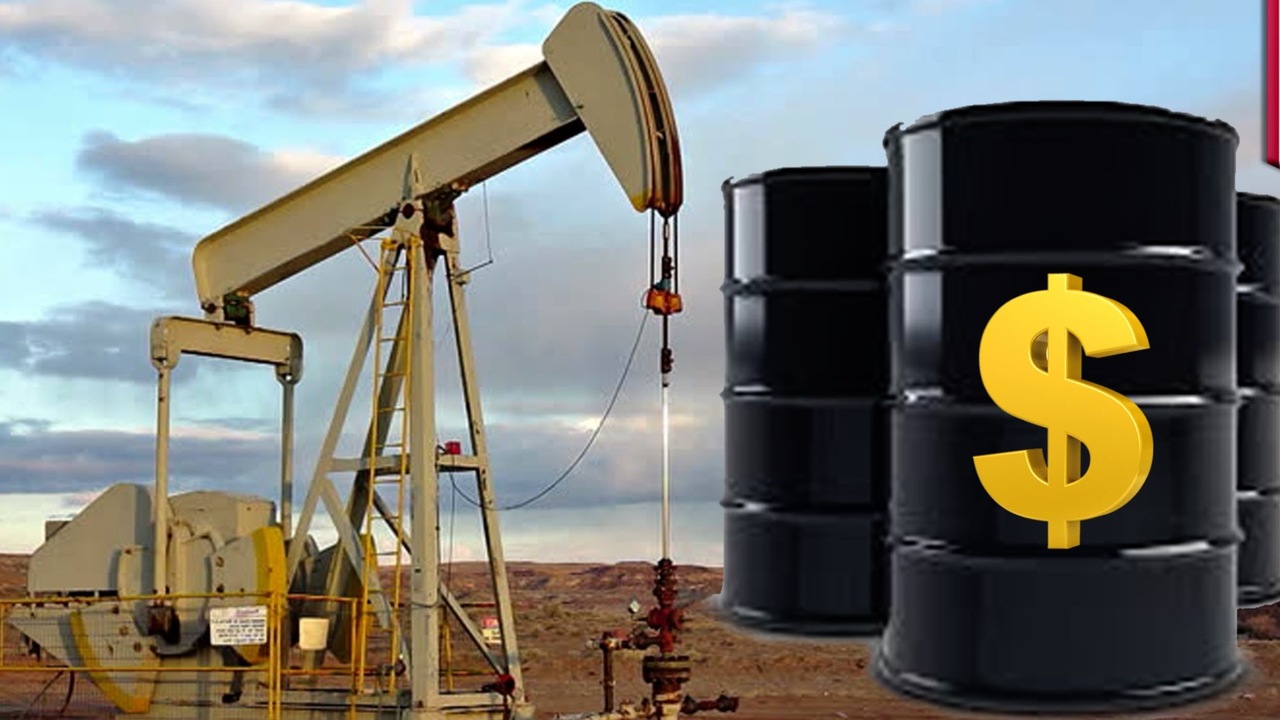

Recently, the International Energy Agency (IEA) warned of a possible downturn in oil supply, which could lead to a rise in fuel prices globally.
According to the agency, oil production is not keeping pace with demand growth, which could lead to a market imbalance and subsequently a rise in prices. In this text, we will explore this issue in more detail, analyzing the causes of scarcity and the potential consequences for the global economy.
Causes of Oil Production Scarcity
The global oil supply is being checked, while demand is growing at a rapid pace. This can be explained by several factors, such as the increase in the global population, the economic development of developing countries, and the lack of investment in the oil and gas industry.
In addition, recent geopolitical events, such as those favoring Russia and the collapse in Venezuela, have led to a decrease in oil supply. In the case of Venezuela, the political and economic crisis has seriously affected oil production, which could result in a rise in fuel prices globally.
-
OPEC+ Boosts Oil Supply by 188,000 Barrels per Day in July 2026, Leading to Price Drop from $112 to $89 per Barrel in Under Two Months

-
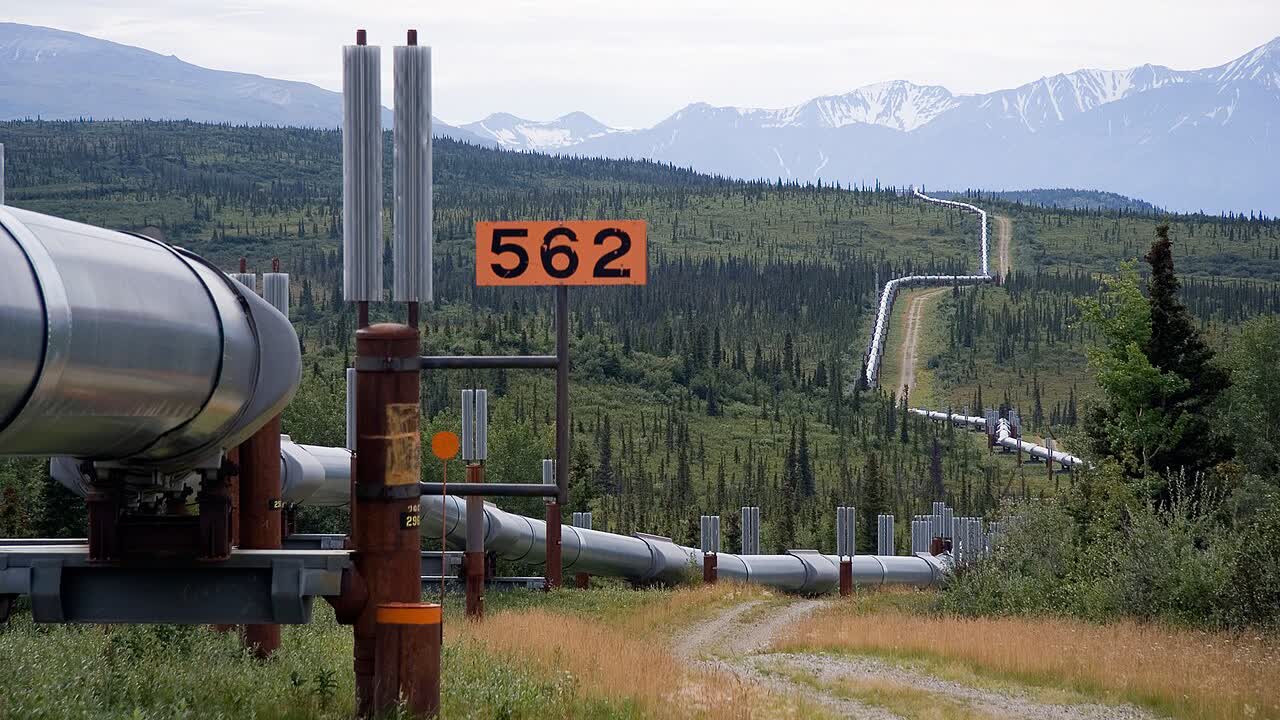
TotalEnergies Signs 20-Year Deal to Purchase 2 Million Tons of LNG from Alaska, Boosting Project Viability
-
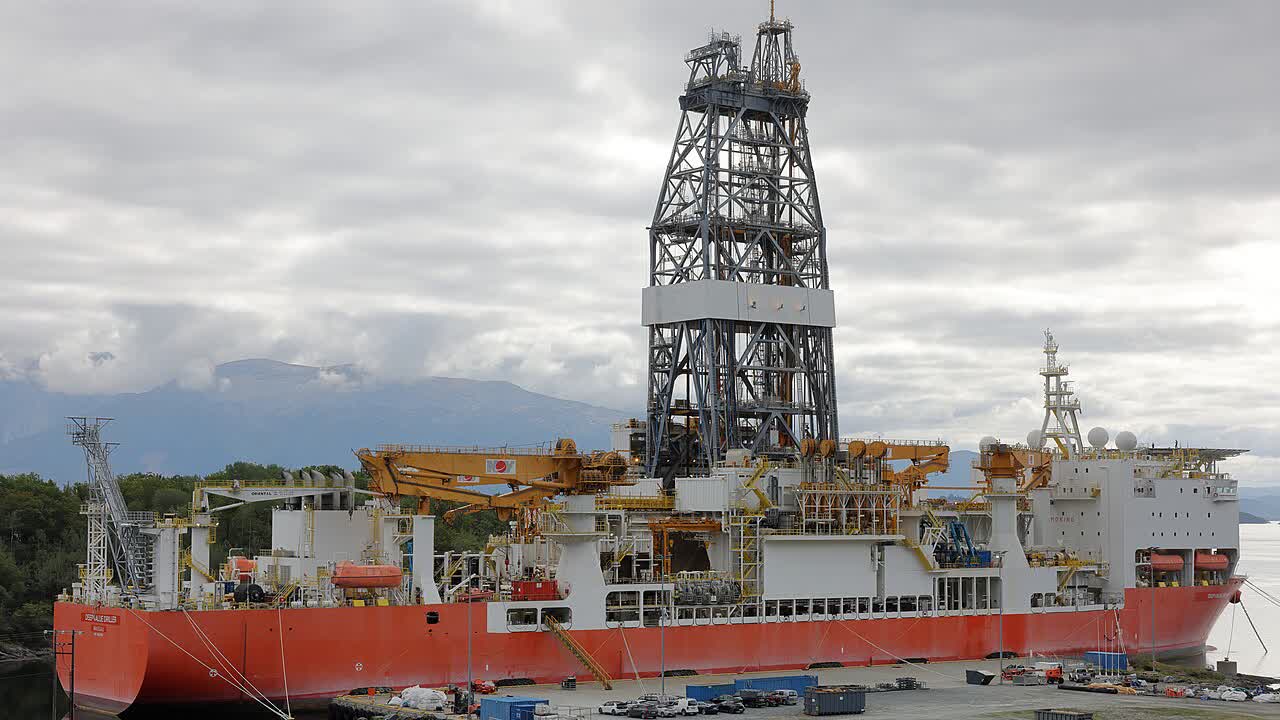
Turkey Deploys Çağrı Bey Drilling Ship to Explore New Oil Frontier Off Somalia’s Coast
-
Golden Pass LNG Ships First Liquefied Gas Cargo from the U.S., Completing $10 Billion QatarEnergy and ExxonMobil Investment

Another factor that may contribute to the supply scarcity in oil production is the decline in production in the United States. According to the IEA, the oil production of the United States is in decline, which may contribute to rising global prices.
A possible consequence of the downturn in oil production is the increase in fuel prices globally. This can severely affect the economies of countries that are heavily dependent on oil, as is the case for many developing countries.
The rise in oil prices can affect the prices of other goods and services, such as transportation, which could have a negative impact on the global economy as a whole.
Solutions for Oil Supply Scarcity
In light of this scenario, the IEA advises countries to invest in alternative and renewable energy sources in order to diversify the energy matrix and reduce dependence on oil.
This change would also contribute to the reduction of greenhouse gas emissions and the fight against climate change. Investing in renewable energy may also have a positive impact on the economy, creating new job opportunities and fostering technological development.