Portuguese
  Spanish


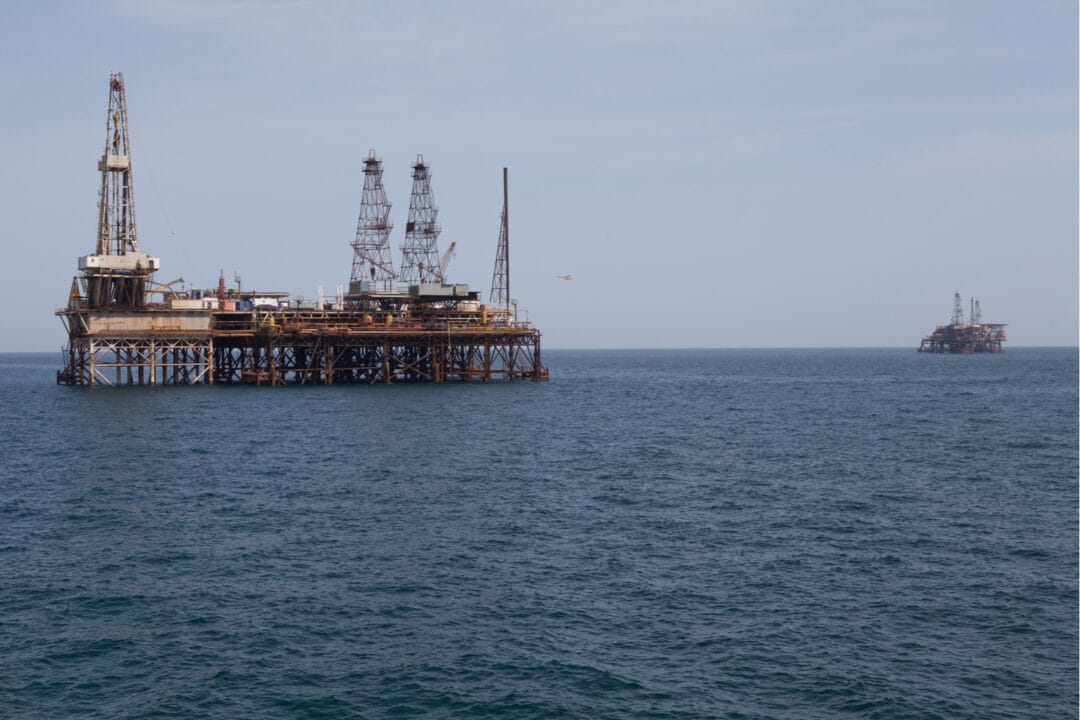

Petrobras, 3R And PRIO Suffer Decline On The Brazilian Stock Exchange Today.
On Thursday, the 16th, the futures contracts for oil closed down nearly 5%. This decline brought the barrel to its lowest levels since July and caused Brent, the benchmark for international oil, to trade below US$ 80.
Fears regarding demand in the world’s major economies have put pressure on the commodity, while production continues to advance in several producing countries. Additionally, the lack of new developments indicating possible progress in the conflict between Israel and Hamas has impacted the market.
In Thursday’s trading, WTI oil for January closed down 4.81%, at US$ 73.09 per barrel, while Brent for the same month traded on the Intercontinental Exchange (ICE) ended the day down 4.63%, at US$ 77.42 per barrel.
-
It’s official: Petrobras takes 75% of block 3 in São Tomé and Príncipe and debuts as an offshore operator outside South America.

-
With a record production of nearly 3 million barrels per day, Petrobras resumes importing diesel in July, highlighting the bottleneck in Brazilian refining.
-
Qantas and Airbus Invest in Company Aiming to Convert Unsorted Household Trash into Jet Fuel

-
Brazil’s ANP Opens 86 New Oil Blocks in the Equatorial Margin, Expanding the Amazon River Mouth Frontier


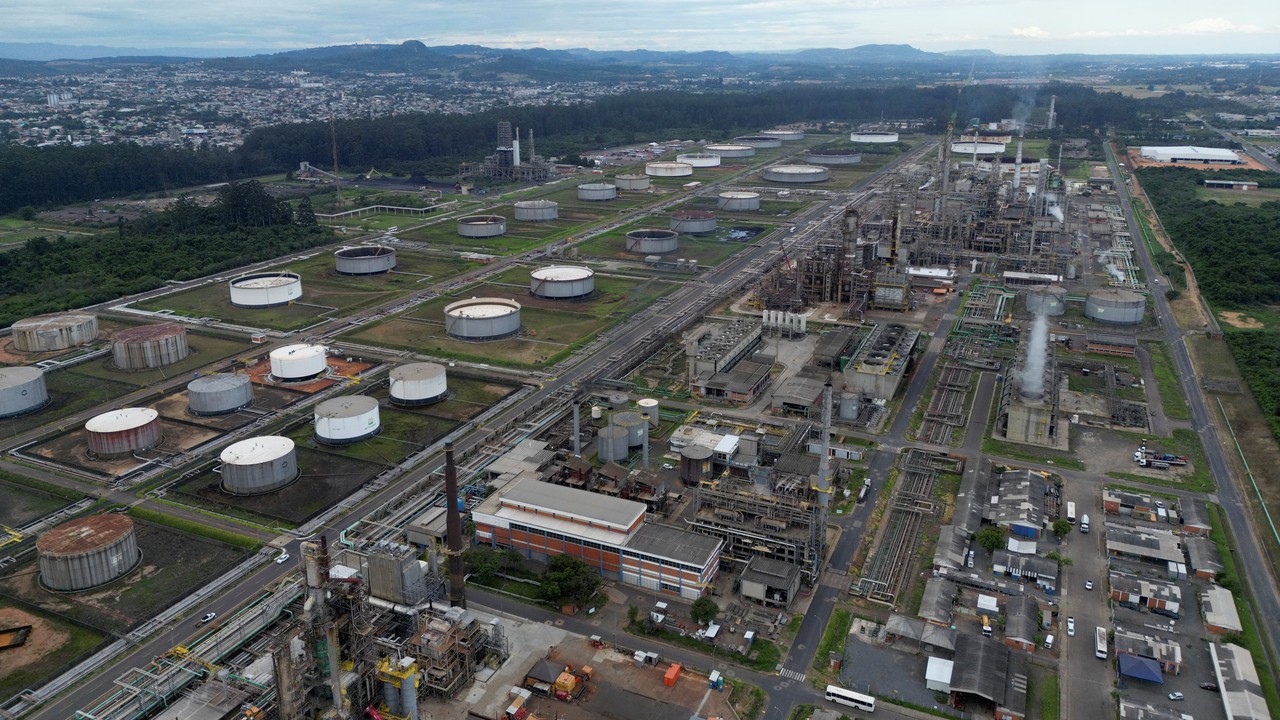


As a result of this scenario, the stocks of companies in the oil sector such as PRIO3 (R$ 45.55, -3.06%), RRRP3 (R$ 31.78, -2.31%) and PETR3 (R$ 37.90, -2.07%; PETR4, R$ 35.64, -1.49%) recorded devaluation.
ANZ highlighted that the oil market added a significant supply from countries outside the Organization of the Petroleum Exporting Countries (OPEC), exceeding demand for this product. This is evident in the total oil inventories in the United States, which the U.S. Department of Energy indicated are close to 17.5 million barrels, thus alleviating fears of shortages.
On the other hand, in the United States, industrial production fell 0.6% in October compared to September, a decline larger than analysts surveyed by FactSet had expected, who forecasted a 0.4% drop for the period. In China, the demand for oil from refineries decreased from 15.48 million barrels per day to 15.05 million barrels per day in October, according to the national statistics office (NBS) of the country.
Looking ahead, Oanda revealed concerns regarding demand for 2024, particularly considering China and the downward trend. This could make it difficult for Russia and Saudi Arabia to allow unilateral cuts to expire at the end of the year. Adriano Pires, director and partner at the Brazilian Center for Infrastructure, explained that in addition to the factors that have been impacting the market, the selling of positions by hedge funds also has effects on the physical market price of the commodity. He stated that the most pronounced decline in oil since September to date is partly due to the selling of 37% of the positions held by hedge funds since September, representing about 200 million barrels of oil.
(with Estadão Conteúdo)
Decline Of Oil Brings Barrel To Lowest Levels Since July; Brent Below US$ 80
On Thursday, the 16th, the futures contracts for Oil closed down nearly 5%. This decline brought the barrel to its lowest levels since July and caused the Brent, the benchmark for Oil, to trade below US$ 80.
Fears regarding demand in the world’s major economies have put pressure on the commodity, while production continues to advance in several producing countries. Additionally, the lack of new developments indicating possible progress in the conflict between Israel and Hamas has impacted the market.
In Thursday’s trading, WTI Oil for January closed down 4.81%, at US$ 73.09 per barrel, while Brent for the same month traded on the Intercontinental Exchange (ICE) ended the day down 4.63%, at US$ 77.42 per barrel.
As a result of this scenario, the Stocks of companies in the Oil sector such as PRIO3 (R$ 45.55, -3.06%), RRRP3 (R$ 31.78, -2.31%) and PETR3 (R$ 37.90, -2.07%; PETR4, R$ 35.64, -1.49%) recorded devaluation.
ANZ highlighted that the Oil market added a significant supply from countries not part of the Organization of the Petroleum Exporting Countries (OPEC), surpassing demand for this product. This is evident in the total Oil inventories in the United States, which the U.S. Department of Energy indicated are close to 17.5 million barrels, thus dissipating fears of shortages.
On the other hand, in the United States, industrial production fell 0.6% in October compared to September, a decline larger than that expected by analysts surveyed by FactSet, who anticipated a 0.4% drop for the period. In China, demand for Oil from refineries decreased from 15.48 million barrels per day to 15.05 million barrels per day in October, according to data from the country’s national statistics office (NBS).
Looking ahead, Oanda revealed concerns regarding demand for 2024, especially considering China and the downward trend. This may make it difficult for Russia and Saudi Arabia to allow unilateral cuts to expire at the end of the year. Meanwhile, Adriano Pires, director and partner at the Brazilian Center for Infrastructure, explained that in addition to the factors that have already been impacting the market, the selling of positions by hedge funds also has effects on the physical market price of the commodity. He stated that the most significant decline in Oil since September to date is partly due to the selling of 37% of the positions held by hedge funds since September, which represents about 200 million barrels of Oil.
(with Estadão Conteúdo)
Delving into the connection between topics and similar information, it is possible to expand knowledge and understanding of the subject at hand. Exploring related content provides the opportunity to address different perspectives and broaden the outlook on a given topic. This can contribute to a more comprehensive and in-depth understanding of the subject.
Source: Info Money