Portuguese
  Spanish



With The Drop In Oil Prices And Reassessment Of Asset Prices, Petrobras Reports Loss After Almost 3 Years
Petrobras announced yesterday (14) the amount of its loss in the first quarter of this year, totaling R$ 48.523 billion. The result was due to a review of the company’s asset prices, affected by the impact of the coronavirus crisis. In the same period last year, the company had a profit of R$ 4 billion.
See Other News:
- Electricians, Technicians, Operators, and More Are Called for Job Vacancies Open on This May 15
- Strong In The Oil And Gas Sector, Schlumberger Requires SMS Specialist For Rio De Janeiro On This Day 15
- Selection Process For Welders, Plumbers, Boilermakers, And More. Resume Registration Until Tomorrow, May 16!
The last time Petrobras reported a loss was in the third quarter of 2017. Nearly 3 years later, the company is back to operating in the red. In 2019, the company’s profit was R$ 40.1 billion, the highest in history.
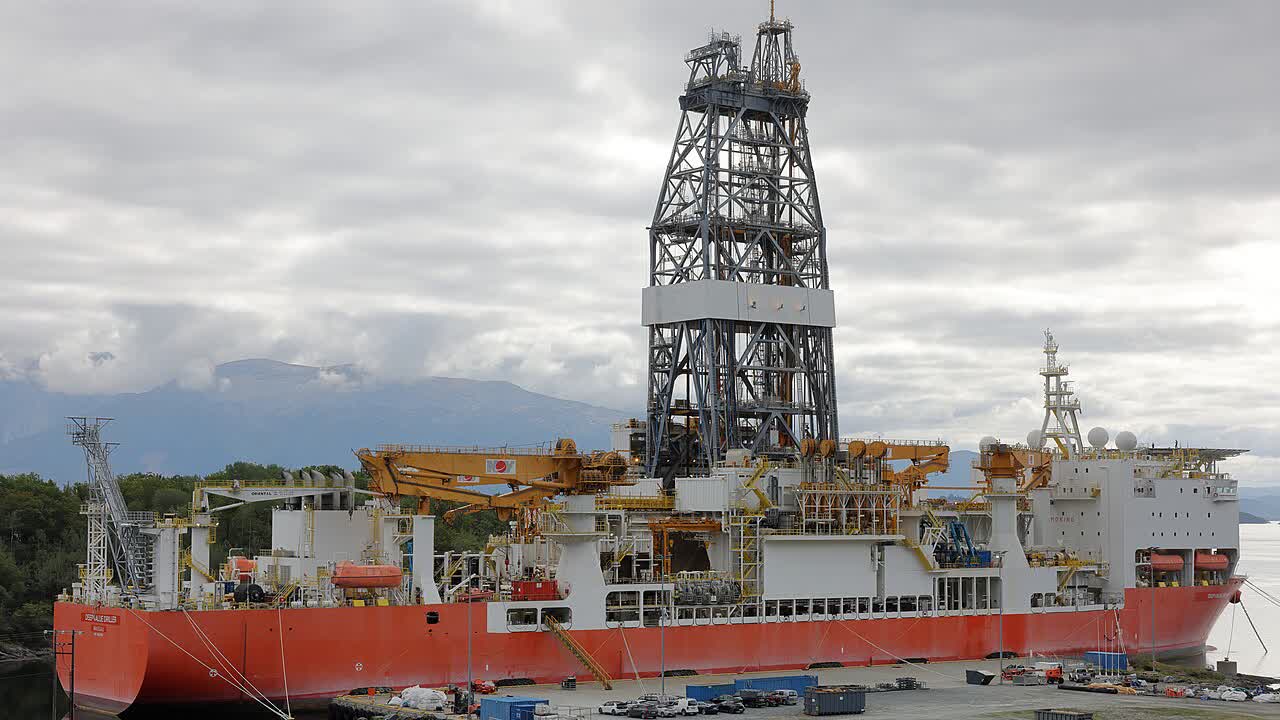
The corrected assets were shallow and deep-water oil fields. Due to the crisis, the state-owned company changed the long-term price projection for Brent crude from US$ 65 to 50 dollars.
-
Qantas and Airbus Invest in Company Aiming to Convert Unsorted Household Trash into Jet Fuel

-
Brazil’s ANP Opens 86 New Oil Blocks in the Equatorial Margin, Expanding the Amazon River Mouth Frontier

-
OPEC+ Boosts Oil Supply by 188,000 Barrels per Day in July 2026, Leading to Price Drop from $112 to $89 per Barrel in Under Two Months

-
TotalEnergies Signs 20-Year Deal to Purchase 2 Million Tons of LNG from Alaska, Boosting Project Viability

- R$ 57.619 billion in producing fields;
- R$ 6.625 billion in shallow water fields;
- R$ 1.057 billion in other assets;
In a message to shareholders, Roberto Castello Branco, president of Petrobras, stated:
“The behavioral changes generated during the stage of social distancing and the continuation of government incentives for the replacement of fossil fuels are other factors that lead us to have a more cautious view of the evolution of oil prices over the coming years”.