






 Portuguese
  Spanish
  3 min of reading
  0 comments


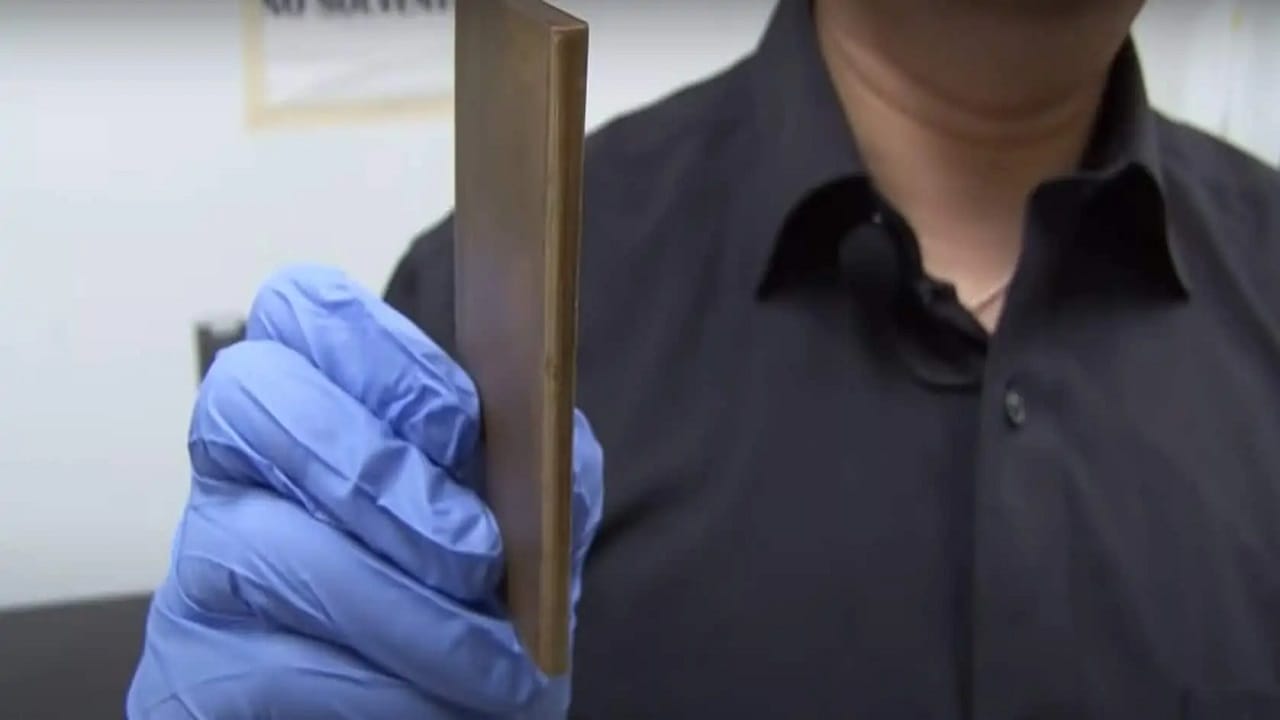
Moving Towards Sustainability, Yamaha Replaces Some Plastic Parts with Wood Stronger Than Steel. New Product Is 5 Times More Durable Than Any Existing Metal.
As part of its efforts to decarbonize its operations, Yamaha Motor Company has started using cellulose nanofibers derived from wood (CNF) instead of some plastic and steel parts in its vessels. The wood, which the company claims is 5 times stronger than steel, is a state-of-the-art material developed in Japan.
Understanding How Wood Stronger Than Steel Is Produced
Yamaha began marketing the products in North America on August 25 of this year. The product is now being commercially used in transportation equipment for the first time, drawing considerable attention, with the appeal of reducing the carbon footprint of consumer companies.
The “Nikkei Asia” tracked the steps of how Yamaha managed to bring CNF products to market, leveraging Japan’s unique position as the “Land of Wood.” The wood stronger than steel is produced by decomposing the wood pulp to a minimal level. Currently, there are about 26 factories producing the product throughout Japan. Despite its high environmental adaptability, its production is relatively expensive.
-
GM’s electric cars could become “giant batteries” to ease the power grid as AI data centers increase consumption; the plan involves 250,000 bidirectional vehicles, reused batteries, and new sodium chemistry for industrial storage.

-
New desalination technology transforms seawater into potable water, avoids polluting brine, and even recovers salts and minerals.

-
Russia launches a 10,000-ton self-propelled scientific platform capable of drifting for years in the Arctic, replacing old Soviet stations on floating blocks.

-
Jordan transforms barren desert sand into a farm powered by Red Sea water, solar energy, and salt-cooled greenhouses to produce food where almost nothing grows.

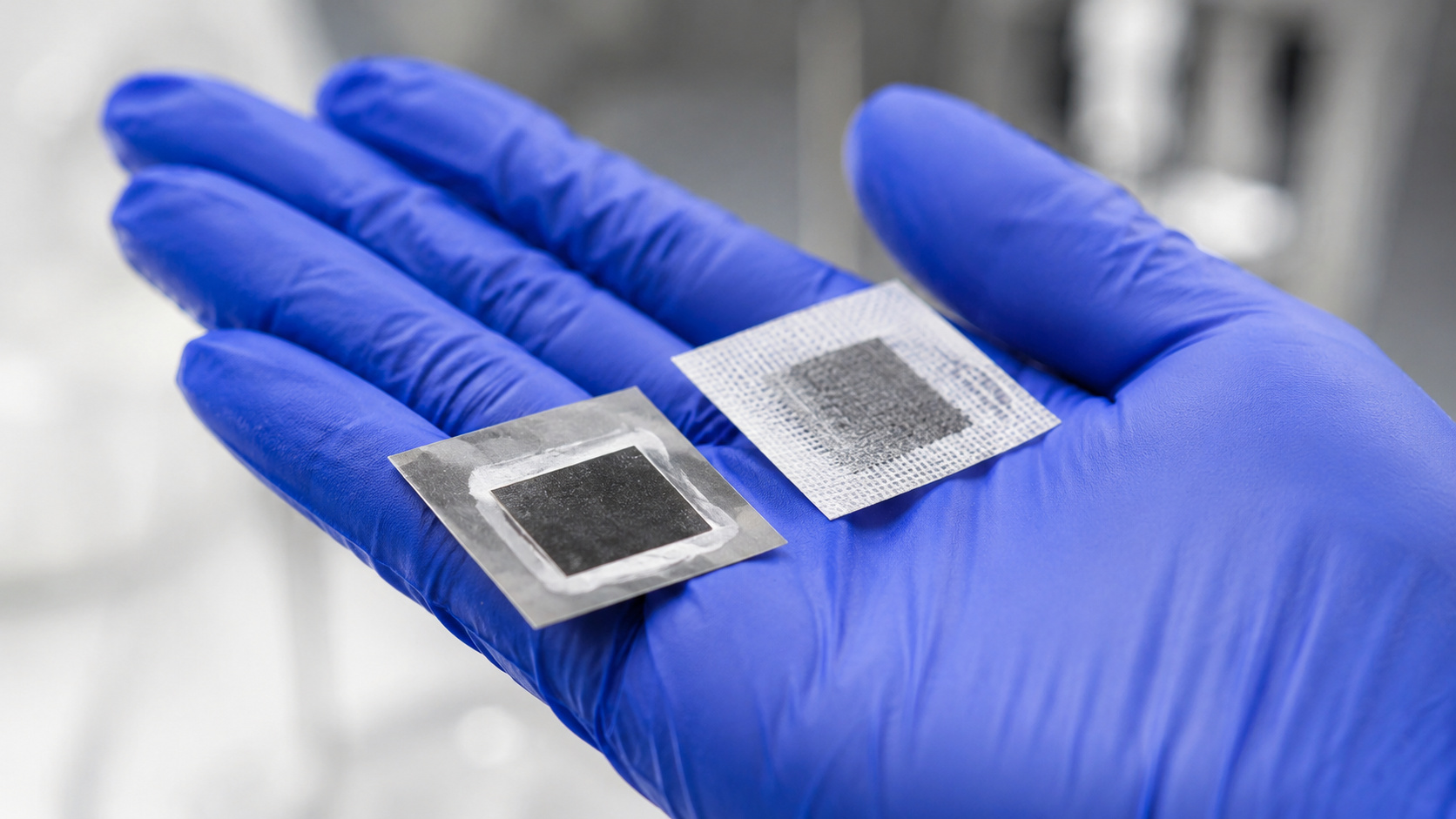


According to the Organization for the Development of New Energies and Industrial Technology, cellulosic materials, including those that are not CNF, that offer resistance to heat, impact, and other performance requirements for plastic parts, are being developed in more than 15 countries around the world. In the age of decarbonization, renewable trees that absorb carbon dioxide could help replace petroleum-derived plastics, which are carbon-intensive.
Yamaha Plans to Develop Wood-Based Engine
According to the Japanese brand, starting in 2024, some components of its engines used in personal watercraft will be produced from wood. In reality, we won’t see wood directly applied to the engines, but rather a resin composite derived from wood.
This new material developed by Yamaha has significant advantages, the most notable being its lightweight nature, as the company states it weighs about 25% less than the current resins used to produce engine components. The wood fibers are applied to materials like polypropylene, using less plastic, and its production process emits less CO2.
On the other hand, parts made using CNF resin are recyclable and can be repurposed by the manufacturer to produce new engine components. Yamaha emphasizes that CNF will not be applied to the main mechanical elements of an engine.
The market will continue with engines made of steel, aluminum, or all kinds of exotic metals such as magnesium or titanium. The intention will be to apply this wood stronger than steel to components like thermostats, pulleys, or water pumps.
Other Projects Around the World Utilizing Wood Stronger Than Steel
At this point, the use of CNF in personal watercraft engines is already planned and confirmed for 2024. However, Yamaha’s idea is to evolve this material to be able to apply the CNF composite to motorcycle engines, meaning we could eventually have a YZF-R1 engine utilizing wood stronger than steel.
It’s worth noting that Yamaha is not alone in this project. The motorcycle manufacturer has partnered with Nippon Paper Industries, a company located in Tokyo.
The two companies also announced that this will be the first time the material will be used on a large scale and in a product available to the public, and they are working to develop other wood-derived materials.







Be the first to react!