






 Portuguese
  Spanish


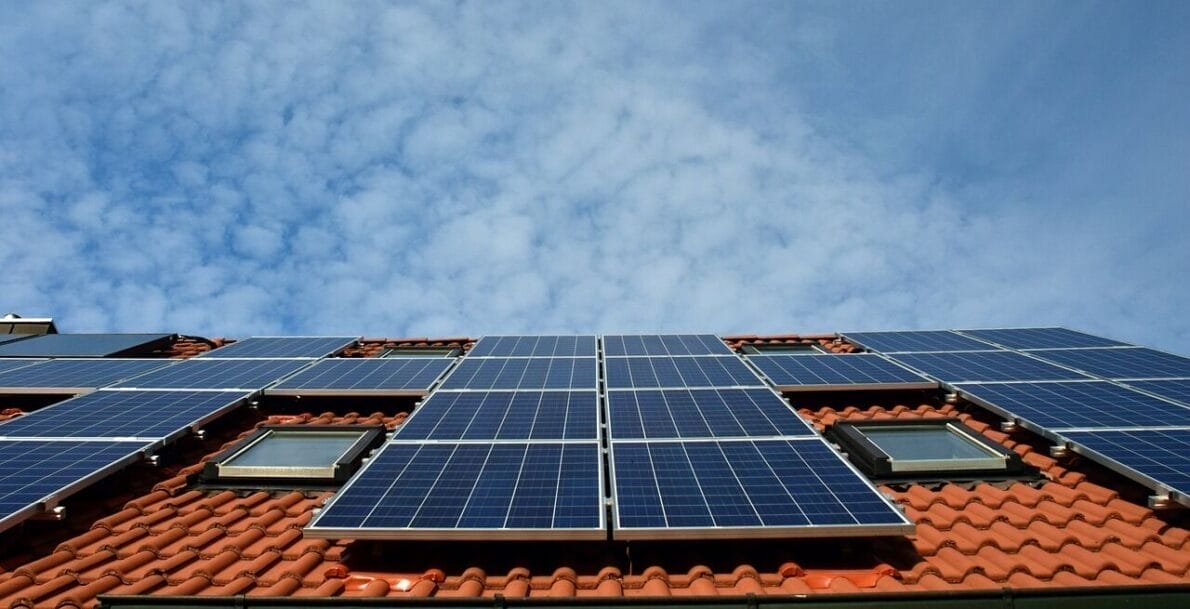
Find Out Once and For All Which Solar Energy Generation System to Choose and Save on Your Monthly Electricity Bill
Photovoltaic solar energy is an efficient solution to reduce electricity costs. But how many solar panels are needed to meet the consumption of a household? Learn how to calculate the ideal number of solar panels for your home in a simple and practical way, according to the video from the E4 Renewable Energies channel.
Calculation of Average Daily Consumption
To size a solar energy system, the first step is to calculate the average daily energy consumption. We will use an example of a monthly consumption of 800 kWh. Dividing this value by 30 gives us a daily consumption of approximately 26.67 kWh.
If you do not know your monthly consumption, you can check your electricity bill, which usually provides a history of the last 12 months. Add these values together and divide by 12 to obtain the monthly average.
-
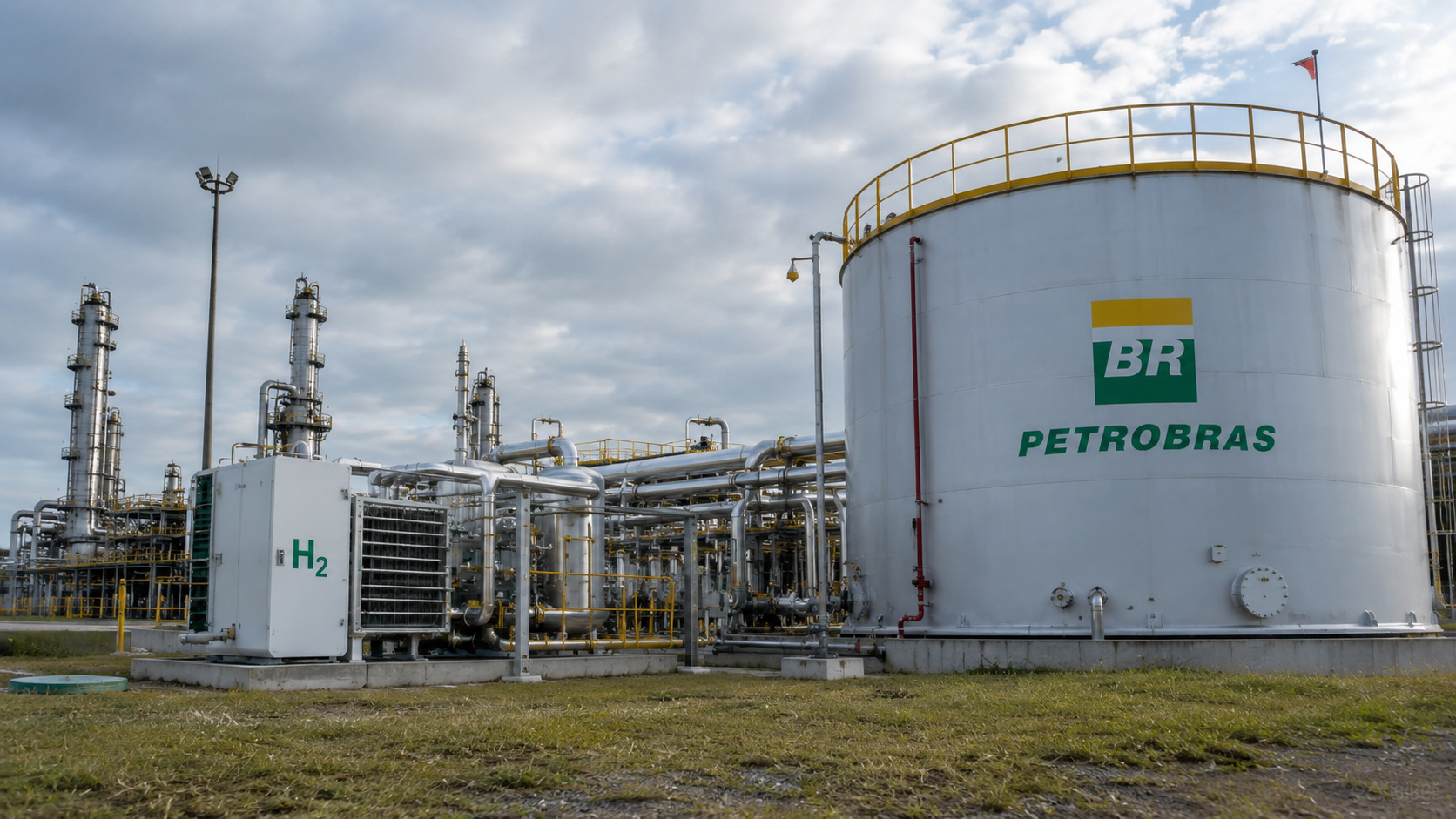
Brazilian scientists are simultaneously advancing two research projects on clean hydrogen and driving solutions that could transform the energy matrix, enhance industrial competitiveness, and accelerate large-scale emission reduction targets.

-
Advancement in renewable energy: A R$ 150 million project launched by Petrobras and Finep aims to create state-of-the-art electrolyzers for green hydrogen, strengthening national research and preparing Brazil to compete in a billion-dollar energy market.
-
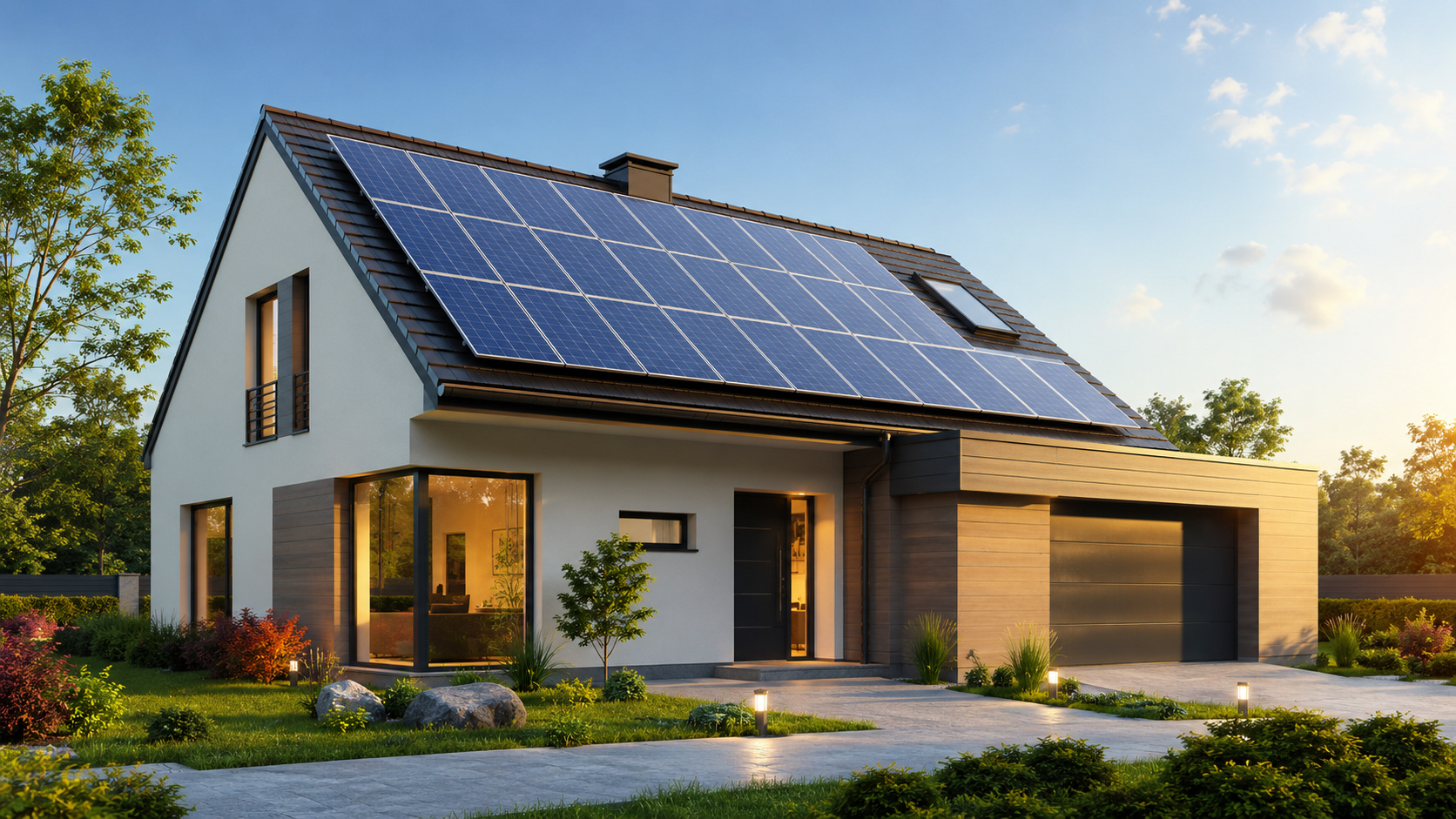
Solar energy can increase property value by up to 10% and become a selling point.
-
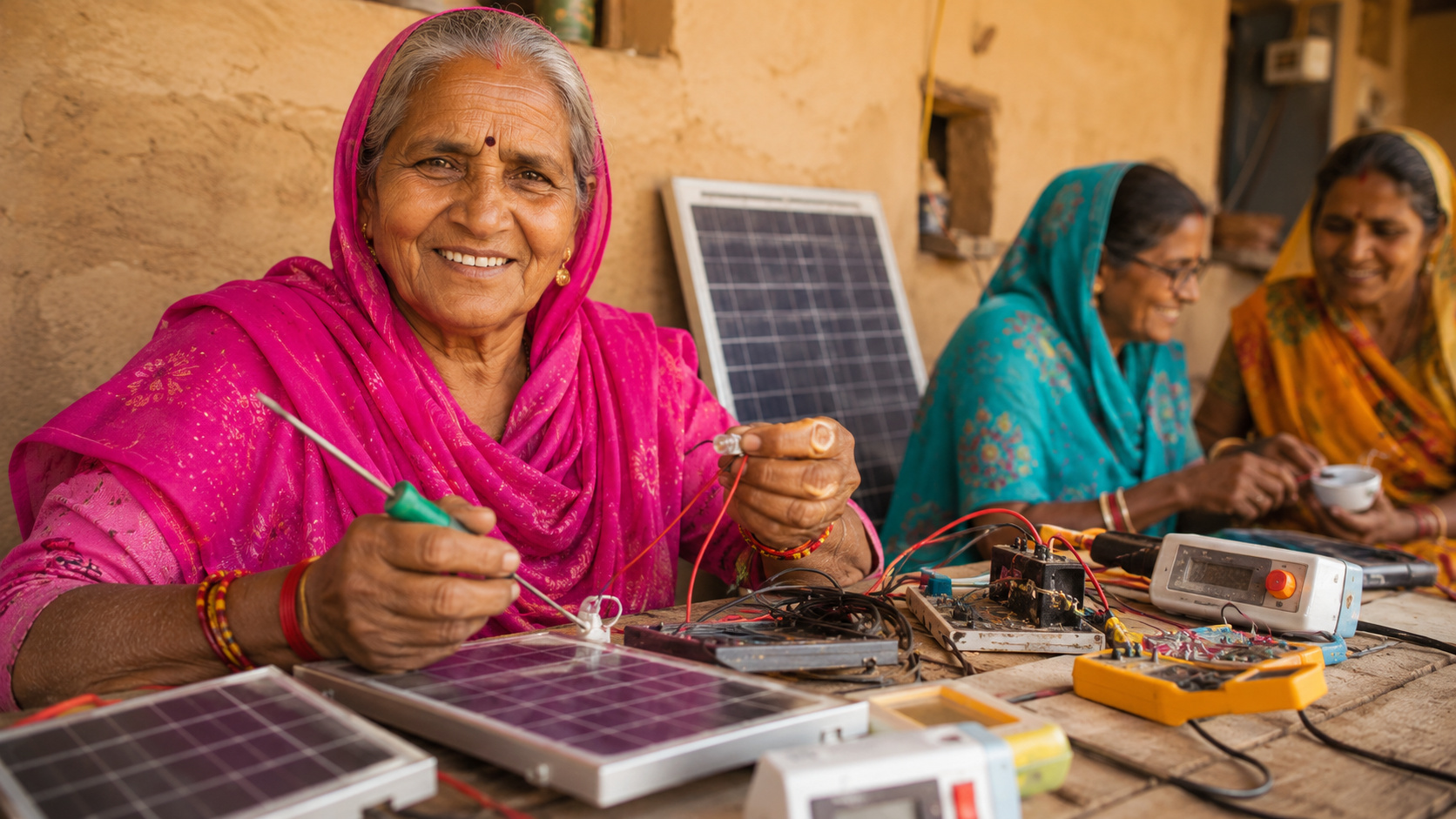
Illiterate or semi-literate grandmothers were trained to repair solar systems, open rural workshops, and light up homes that still depended on kerosene.

Factors of Solar Irradiation
The amount of energy that a solar panel can generate depends on the solar irradiation of the location where it will be installed. For example, a panel in the Northeast of Brazil, where the irradiation is more intense, will generate more energy than in the southern part of the country.
To calculate the energy generated in São Paulo, for example, you can use tools like Google Maps to obtain the geographical coordinates and then check the average solar irradiation on the website of the Reference Center for Solar and Wind Energy Sérgio de Salvo Brito (CRESESB). In São Paulo, the average irradiation is 4.64 kWh/m²/day.
Calculation of System Power
With the daily consumption and the average solar irradiation in hand, we can calculate the necessary system power. Dividing the daily consumption (26.67 kWh) by the irradiation (4.64 kWh/m²/day) gives us a power of 5.75 kWp.
It is important to consider system losses, which can include dirt, deviation from the ideal tilt angle of the panels, and losses in cables and inverters. A conservative average loss is 25%, which gives us a 75% efficiency. Thus, the actual system power should be adjusted to 7.67 kWp (5.75 kWp / 0.75).
Choosing the Solar Panel Model
In the market, there are various types of solar panels with different powers and technologies. In this example, we used a panel with a power of 665 Wp. To find the number of panels needed, simply divide the total power of the system (7.67 kWp) by the power of the panel (665 Wp), resulting in approximately 12 panels.
Therefore, for a consumption of 800 kWh per month in São Paulo, 12 panels of 665 Wp each are needed. This calculation ensures a safety margin, guaranteeing that the system meets the consumption even on days with lower solar incidence.








Be the first to react!