Portuguese
  Spanish


Electric Cars Are Already on the Roads, But It’s the Home Charger That Guarantees Efficiency, Savings, and Less Environmental Impact in Daily Life.
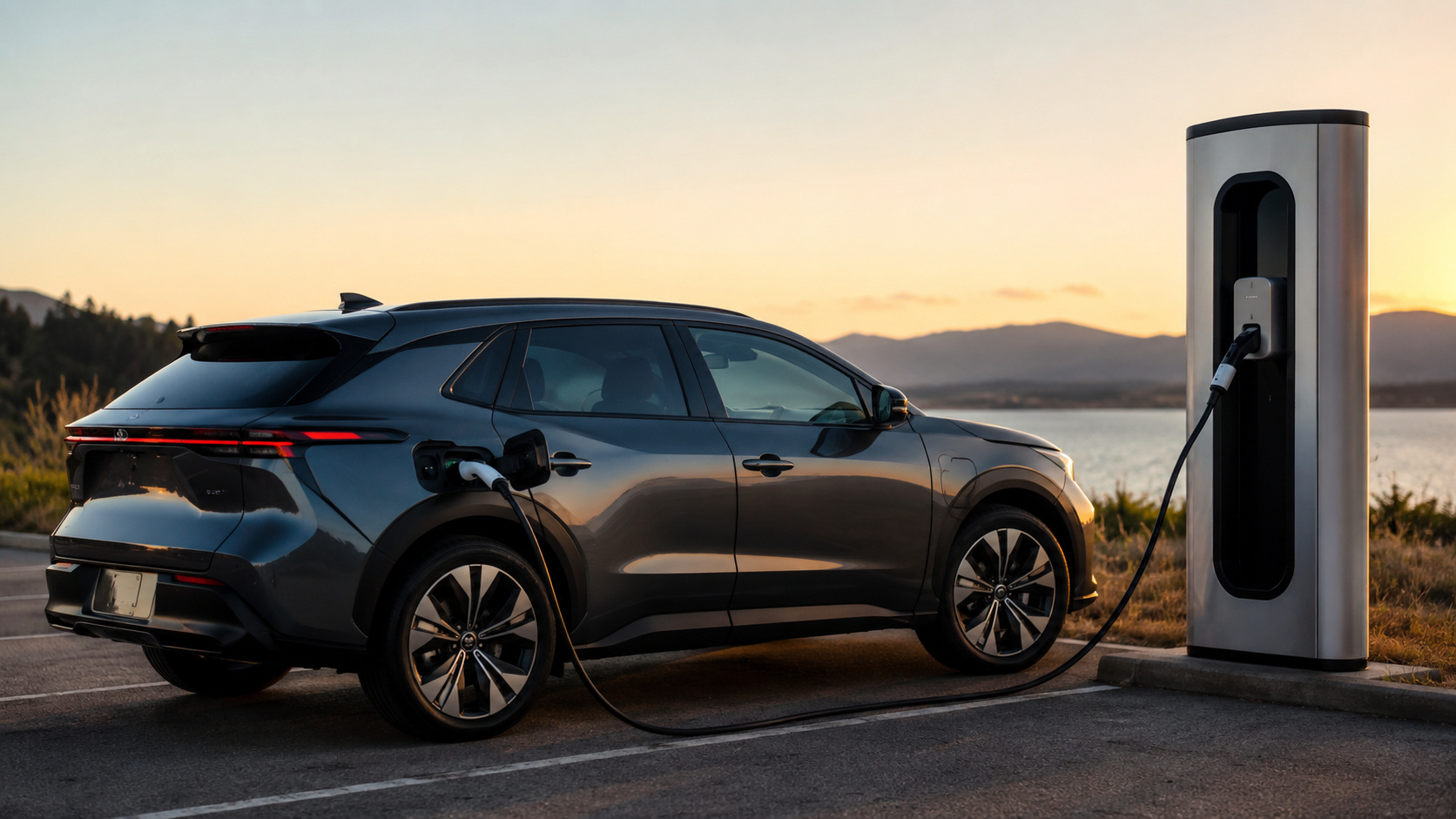
Talking about electric cars is no longer a topic for the distant future. They are already on the roads, in large and small cities. Just look at the neighbor who swapped her diesel car for a hybrid SUV and now connects the vehicle every night.
Charging stations are multiplying in parking lots and supermarkets. This scenario shows that it’s not just about swapping a gasoline engine for a battery. It’s a cultural transformation, comparable to replacing wood heating with solar energy.
Electric cars not only reduce emissions but also force us to rethink our relationship with mobility.
-
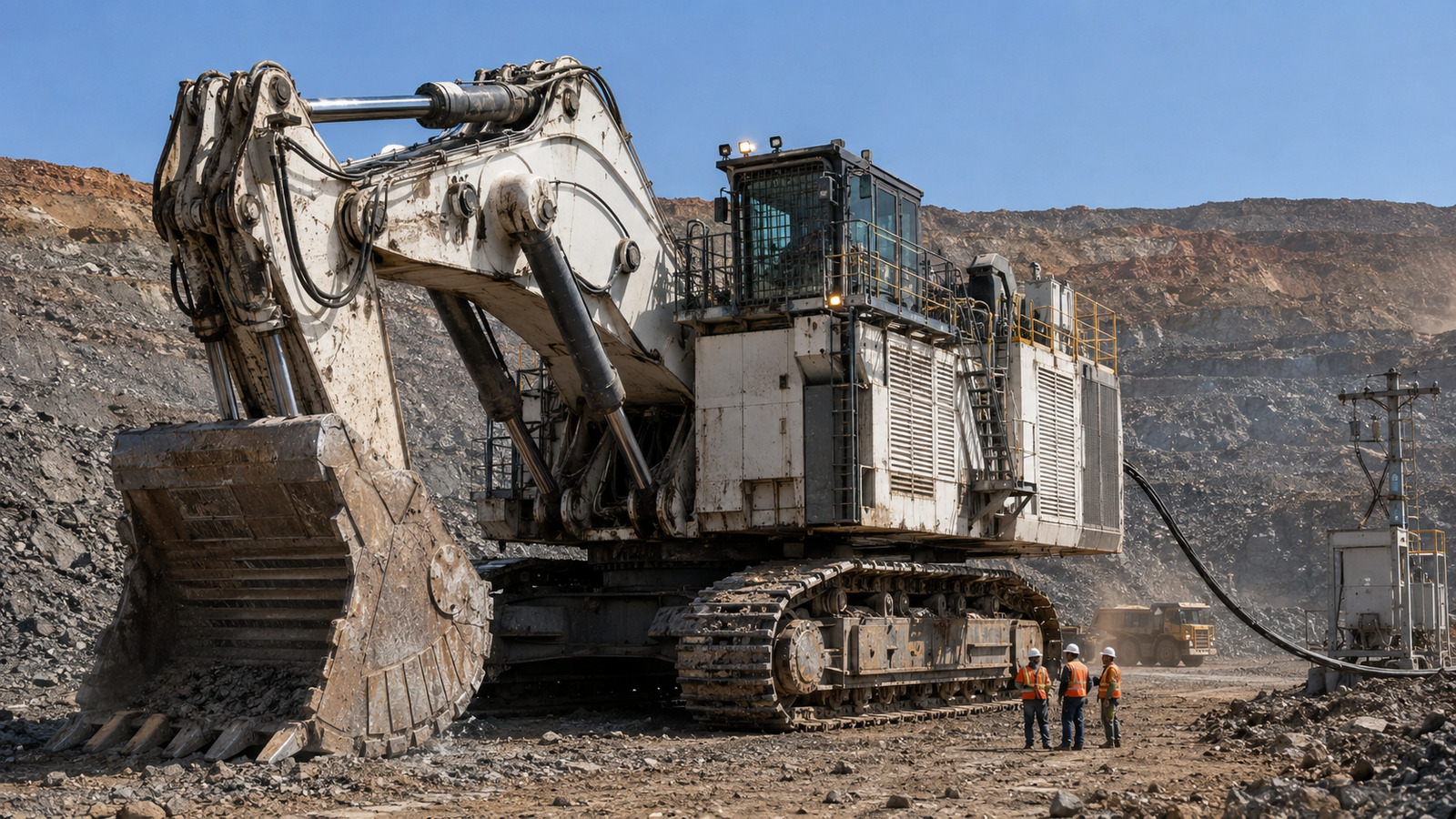
Unprecedented achievement in India: a colossal 650-ton, nearly 3,000 hp excavator is transformed into 100% electric, marking a new phase in heavy mining.

-
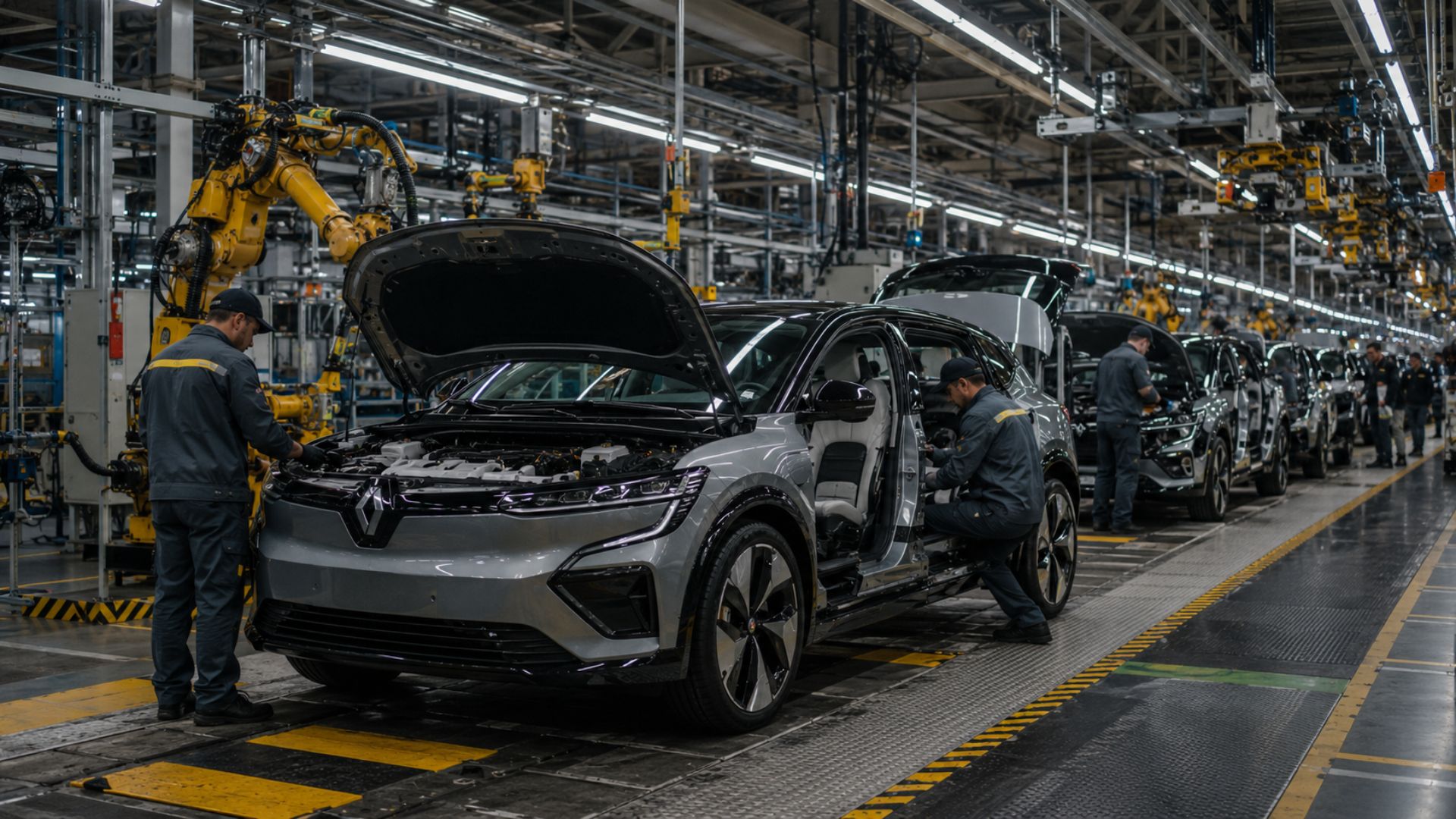
Frightened by the speed of Chinese manufacturers, Renault decided to mimic the pace, made the new electric Twingo in just 21 months, wants to repeat the feat with 36 models by 2030, and along the way, will cut up to 2,400 engineering positions.

-
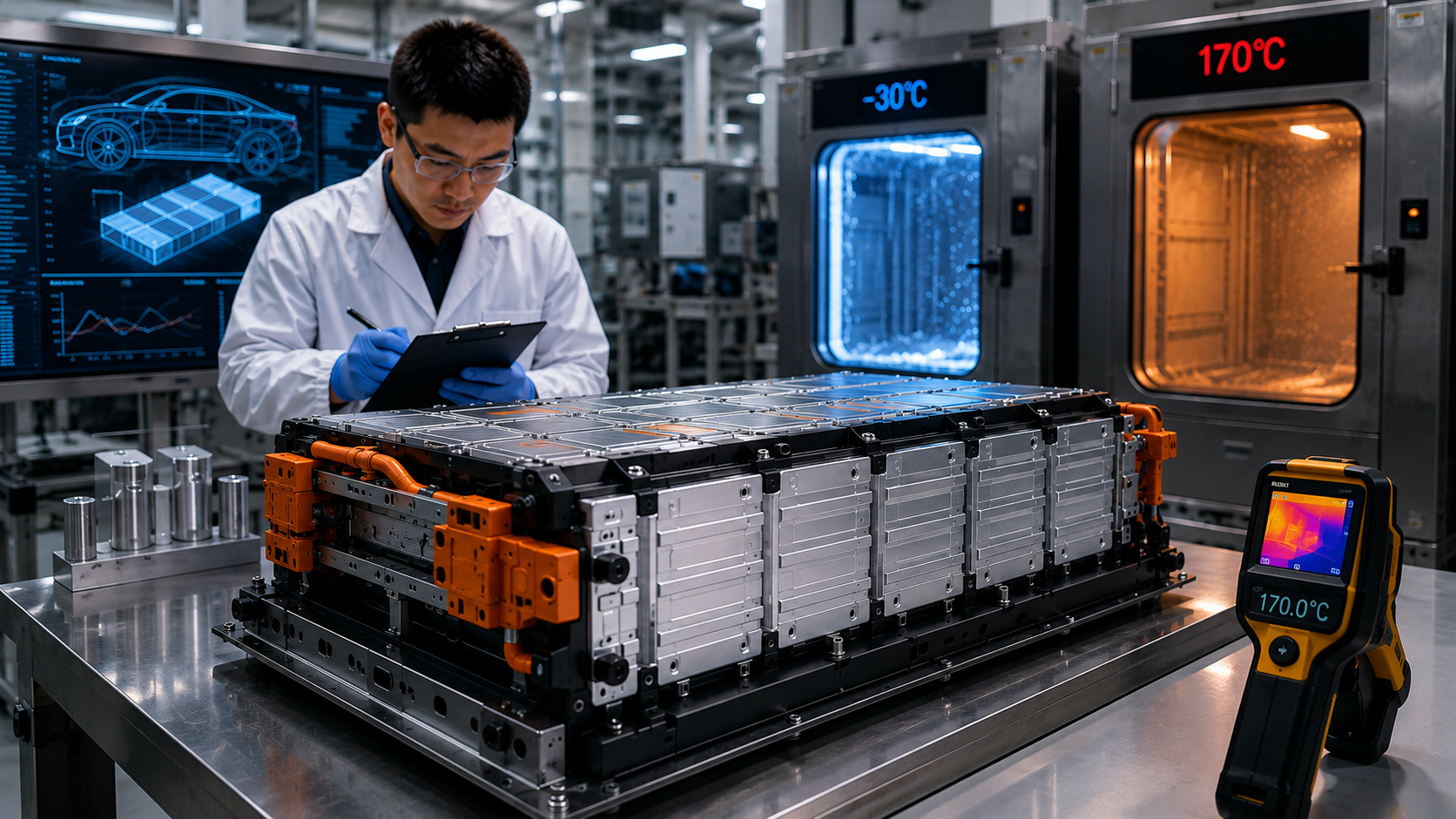
Chinese battery from Dongfeng promises to exceed 1,000 km without relying on liquid electrolyte, and the detail behind the technology could change the electric car competition.

-
The end of the automotive combustion era has already begun, but many in Brazil have not yet realized the magnitude of the shift towards Chinese electric cars.
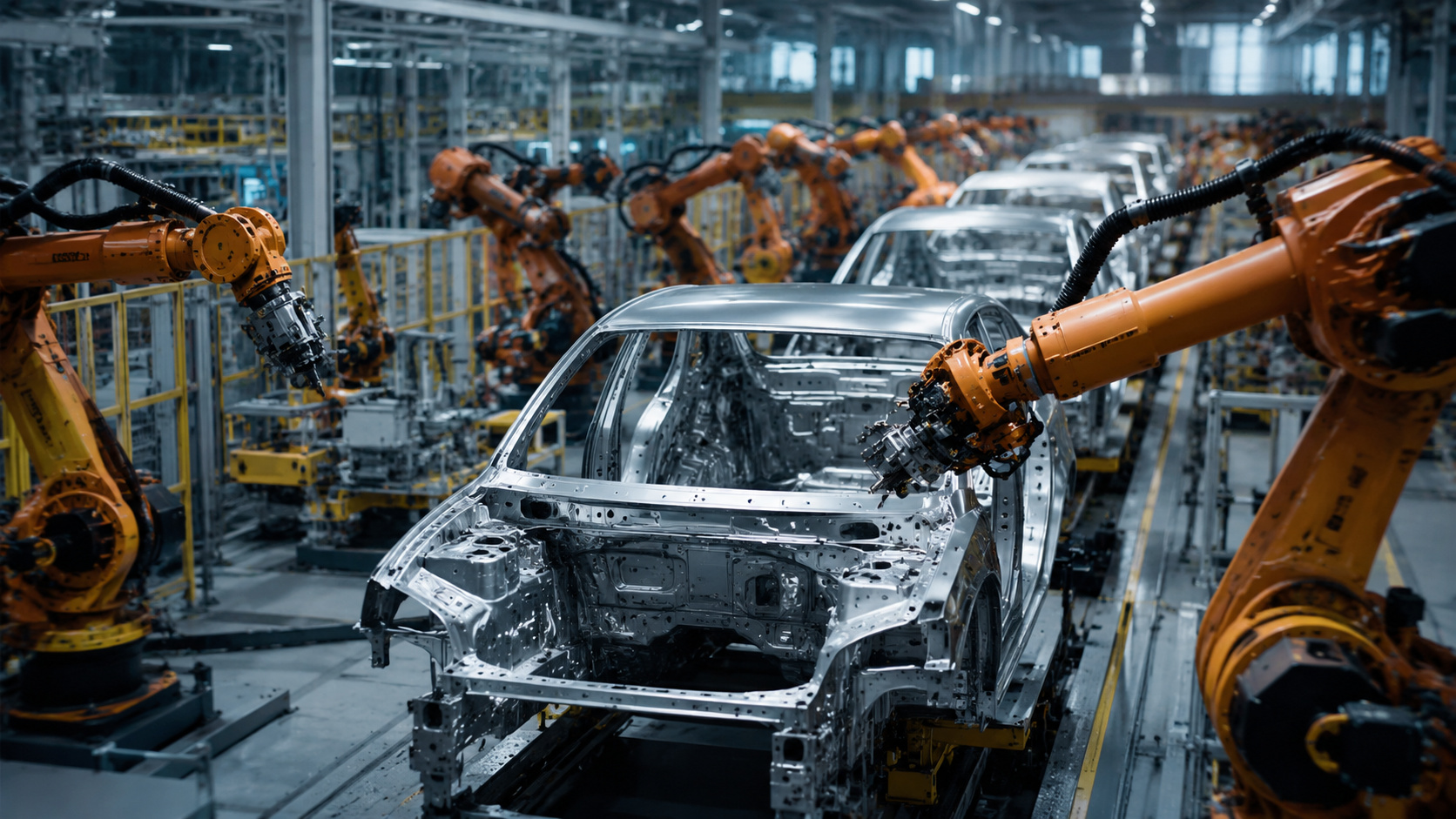
The Essential Link: The Car Charger
Having an electric car without a good charger is like having a coffee maker without an outlet. The vehicle may be modern, but relying solely on crowded public stations or high fees leads to frustration.
For this reason, installing a home charger has become the logical step for many. Waking up with a full battery, without lines and extra costs, brings convenience. It’s like having a private gas station at home, but without the smell, noise, or CO₂.
Among the most talked-about models is the Policharger. It’s not miraculous, but it delivers reliability. It adapts to different power levels and, most importantly, regulates the charge to avoid overloading the home’s electrical system. Compact and quiet, it solves the problem without complications.
Plug-In Hybrids: A Transition Option
Plug-in hybrids generate debates. Some advocates of 100% electric vehicles view them with suspicion. Still, they serve as a middle ground for those taking their first steps.
They allow users to get to know the charging routine and experience electric range without fear on long trips. The result depends on usage. If charged and driven in electric mode, they can be allies. If used as gasoline cars with only decorative batteries, they lose their purpose.
Practical and Immediate Benefits
The presence of electric cars brings clear advantages. Lower local emissions reduce air pollution, especially in urban centers. The silence of the engines also improves quality of life, particularly at night.
Additionally, the cost per kilometer driven is much lower. Charging at home is cheaper than refueling at a station. Maintenance also becomes simpler, as there are fewer moving parts. This means fewer trips to the shop.
Another point is the smoothness of driving. In urban traffic, with frequent starts and stops, the difference is noticeable.
The Role of the Charger in Efficiency
At first glance, the charger may seem like a technical detail. But it is what ensures that the entire system works well. A poor-quality unit wastes energy and can even overload the grid.
Smart chargers, like the Policharger, offer extra functions. It’s possible to take advantage of lower rates, coordinate the charge with other household devices, and avoid spikes in the electrical grid. When integrated with solar panels, the benefits grow even more.
Therefore, the charger is not just an accessory. It is a fundamental part of sustainability.
Electric Cars and a Sustainable Future
It’s important to remember: electric vehicles alone won’t save the planet. They reduce environmental pressure, especially in cities where air pollution and noise are serious problems.
The true potential lies in the combination of factors. Electric cars need to go hand in hand with renewable energy. Efficient chargers should be allies of a well-managed electrical grid. Conscious users, along with appropriate public policies, complete the equation.
This integration works like an orchestra. Each instrument, tuned and at the right moment, creates a powerful result.
In summary, it’s not enough to swap cars. It’s necessary to change the mental chip and understand that the transition involves habits, technology, and collective awareness.