Portuguese
  Spanish



Want a Career in the Mining Sector? The Government Has Opened a Competition with 220 Positions to Strengthen the Mining Agency and Combat Tax Evasion
The Ministry of Mines and Energy and the Ministry of Management and Innovation are in negotiation to create more than 100 new commissioned positions and a new public competition. This measure aims to strengthen the structure of the National Mining Agency, which faces significant challenges in combating tax evasion in the mineral sector, estimated in billions of reais.
The Federal Court of Accounts pointed out this deficiency, suggesting that the ANM’s oversight is flawed and requires urgent improvements.
Public Competition and Structural Reinforcement in Mining
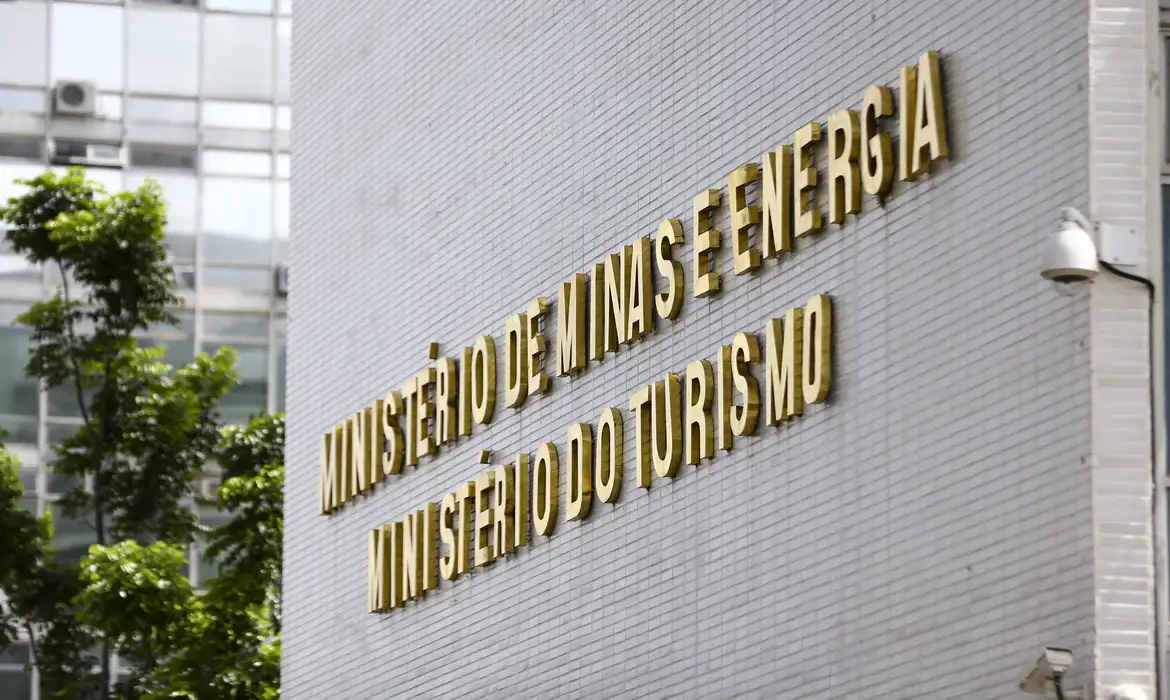
In addition to creating new positions, the MME also announced the holding of a public competition to fill 220 vacancies at the ANM. The Ordinance 4,596 of the MGI establishes that the competition notice must be published by January 16, 2025.
-
Canadian Investment Transforms Remote Brazilian Amazon Town into Copper Hub for Global Electric Vehicle and AI Data Center Markets

-
Brazilian Company in Minas Gerais Innovates by Using Electric Currents to Extract Critical Metals from Industrial Waste

-
U.S. Acquires Brazil’s Only Rare Earth Mine for $2.8 Billion, Diverting It from China

-
Indian Project Aims to Recover Zinc and Silver from Mining Waste, Targeting Over ₹3.8 Billion Revenue in 28 Months


This action aims to expand the agency’s technical team, essential for effectively overseeing the mining sector, one of the most strategic areas for the Brazilian economy.
Billions in Losses and Oversight Failures
Between 2017 and 2022, the Brazilian state lost about R$ 16.4 billion in tax revenue due to tax evasion by mining companies.
The main flaw pointed out by the TCU is the collection of the Financial Compensation for the Exploration of Mineral Resources (Cfem), a tax paid by mining companies to the government.
The court’s report highlights that nearly 70% of the more than 30,000 active mining processes did not voluntarily pay the Cfem during this period. Furthermore, of the 134 processes audited by the ANM, only 40% paid the tax correctly.
The MME acknowledged that the TCU’s oversight was “relevant and appropriate”, stating that the creation of the ANM in 2017 promised a robust structure, which in practice has not materialized. The agency has faced a deficit of staff and a lack of sufficient budget to fulfill its regulatory role.
In order to address these issues, the government adopted some measures in 2023, such as reformulating the ANM’s Job Plan to align its employees’ salaries with those of other regulatory agencies.
According to the ministry, the salaries of ANM employees were between 40% and 60% lower than those paid in other regulatory agencies in the country. Additionally, the appointment of 64 new specialists in mineral resources was authorized, who will work directly in the oversight of dams, reinforcing the agency’s staff.
The TCU’s investigation revealed that the ANM has been undergoing a dismantling process, with a drastic reduction in the number of employees and the number of inspections conducted. Between 2010 and 2023, the agency’s staff was reduced by almost 42%, from 1,196 to 695 employees.
At the same time, the General Comptroller’s Office (CGU) found an alarming 92% drop in the inspections of Cfem conducted by the ANM. While in 2014 there were 2,184 inspections conducted, in 2019 this number fell to just 173.
Tax Evasion and Dependence on Good Faith
The TCU concluded that tax revenue in the mining sector relies almost exclusively on the good faith of companies, as the oversight structure of the ANM is insufficient to create an expectation of control in the sector.
The reporting minister in the TCU process, Benjamin Zymler, emphasized that even when inspections occur, the effectiveness in collecting taxes is low. “However, there are no instruments to persuade them”, the minister noted, referring to the companies in the sector.
The federal government, through the MME, assured that it is committed to strengthening the ANM to ensure more rigorous and effective oversight. The promise includes producing studies to define priorities and adjust the agency’s budget, aiming to solve or at least minimize the difficulties faced by the agency in recent years.
These actions are seen as essential to ensure that the mineral sector contributes fairly to the country’s economy, generating jobs, income, and benefits for the communities where mining activities occur. Additionally, the focus is on ensuring the sustainability and safety of operations, factors that are indispensable for long-term economic development.