






 Portuguese
  Spanish


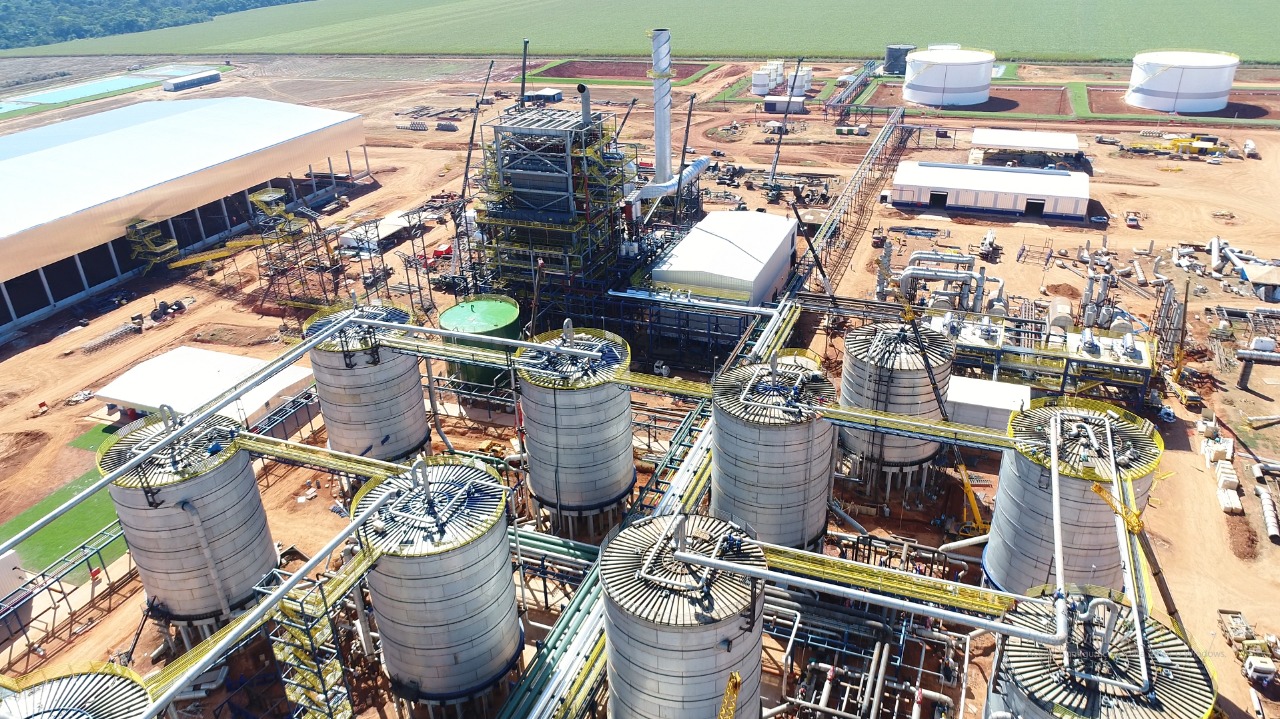

The Company Inpasa Agroindustrial Will Invest R$ 500 Million and Build in Dourados (MS) the First Corn Ethanol Plant
Inpasa Agroindustrial will build in Dourados, in the state of Mato Grosso do Sul, the first corn ethanol plant in the city. The company is set to invest over 500 million reais in this new plant. About 200 direct jobs and another 150 indirect jobs in the initial phase are expected to be generated during construction. The forecast is that the plant will start operating at the end of 2022.
Check Out Other News of the Day:
- 125 Job Openings for Operator, Technician, Mechanic, Helper, and Much More Across Brazil
- Shell Announces Investment of US$ 3 Billion in Renewable Projects to Neutralize Carbon Emissions by 2050
- JBS Aims for Billion-Dollar Revenue and Acquisition of New Brands
Expected Production:
The installed capacity of the plant is 3,600 tons of corn per day, totaling 1,008,000 tons per year. Inpasa estimates that, considering the 12 million tons harvested in 2018/2019 in Mato Grosso do Sul, the new plant will consume about 10% of the corn production produced by the state.
The forecast is that 426 million liters of ethanol and 297 thousand tons of DDG – industrial corn byproducts for animal feed – will be produced per year. It is also expected to produce about 24,700 tons of oil per year and 179,630 megawatts of electricity per year, with an annual revenue of 1.423 billion reais.
-
At 14 years old, she worked in a factory in Hong Kong, studied economics abroad, and then entered the Chinese real estate market, which helped change the landscape of Beijing.

-
While NATO secured more than $10 billion in missiles and space surveillance at a single forum, Brazil still spends 1.1% of its GDP on defense and is stalling its own anti-aircraft system.

-
Producer receives news and had to cull almost the entire herd, bounced back with the help of compensation, and is now producing 450 liters of milk per day in SC.

-
Corn ethanol attracts R$ 23 billion in 21 new plants and prepares for a nearly 50% jump in Brazilian production by 2027, even with high interest rates.


Investments:
Of the total investment, 100 million reais came from the FCO (Constitutional Fund for Financing the Midwest).
Secretary Jaime Verruck, who presides over the CEIF/FCO (State Council of Fundable Investments by the FCO), says that “The company acquired the land and is in the process of finalizing the licenses to soon begin construction. The industry is aligned with the state’s industrial policy of changing the energy matrix, adding value to corn, which is a local raw material, generating a byproduct that is DDG, and promoting forestry chain development. This is the policy we want, and the FCO shows how much it can help in economic development.”








