Portuguese
  Spanish



The Northeast Bank Has Already Released R$ 55.3 Million to Finance Solar Panels in Rural Properties Until April 2025. Initiative Boosts Family Farming with Clean Energy.
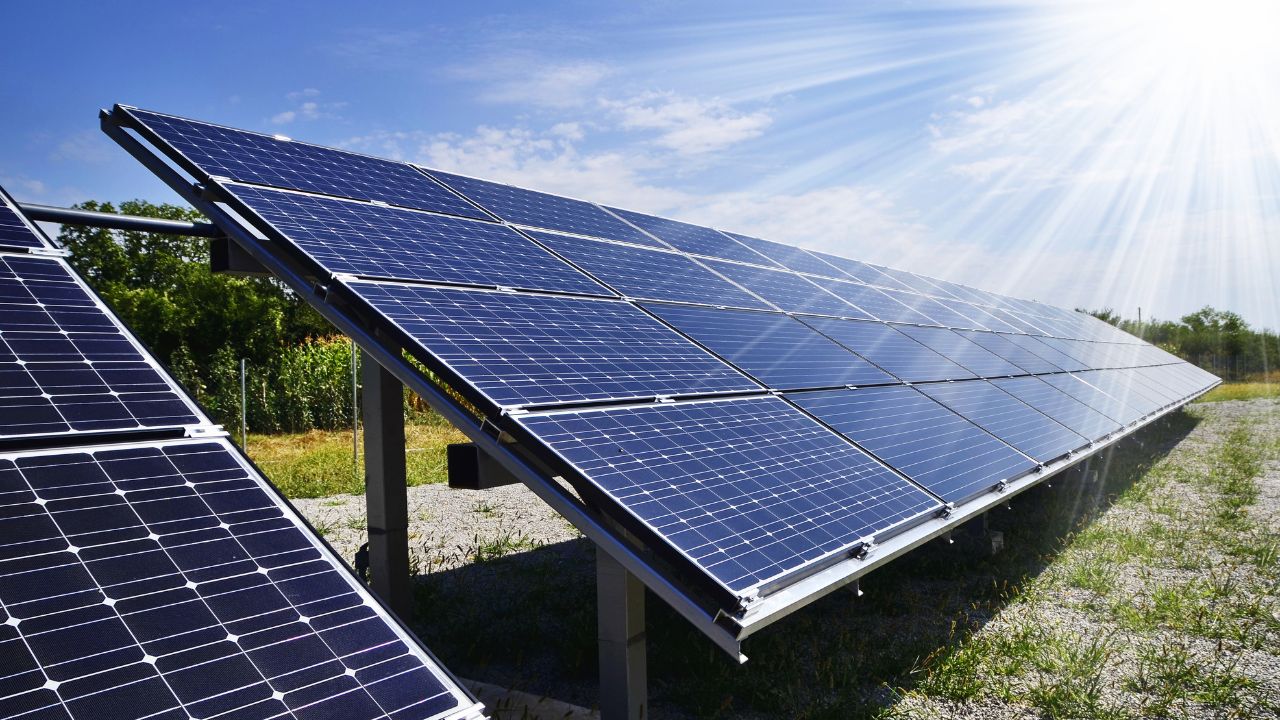
The Northeast Bank (BNB) has already allocated R$ 55.3 million in financing for the installation of solar energy panels by rural families between January and April 2025. The operations benefited farmers from all nine states in the Northeast, as well as Minas Gerais and Espírito Santo, where the bank also operates.
The measure aims to encourage the use of clean energy in the countryside, reducing production costs and promoting sustainability in rural areas.
In total, more than 7,000 operations were carried out during the period, with a highlight on the state of Pernambuco, which has already received R$ 4.9 million in 676 contracts.
-
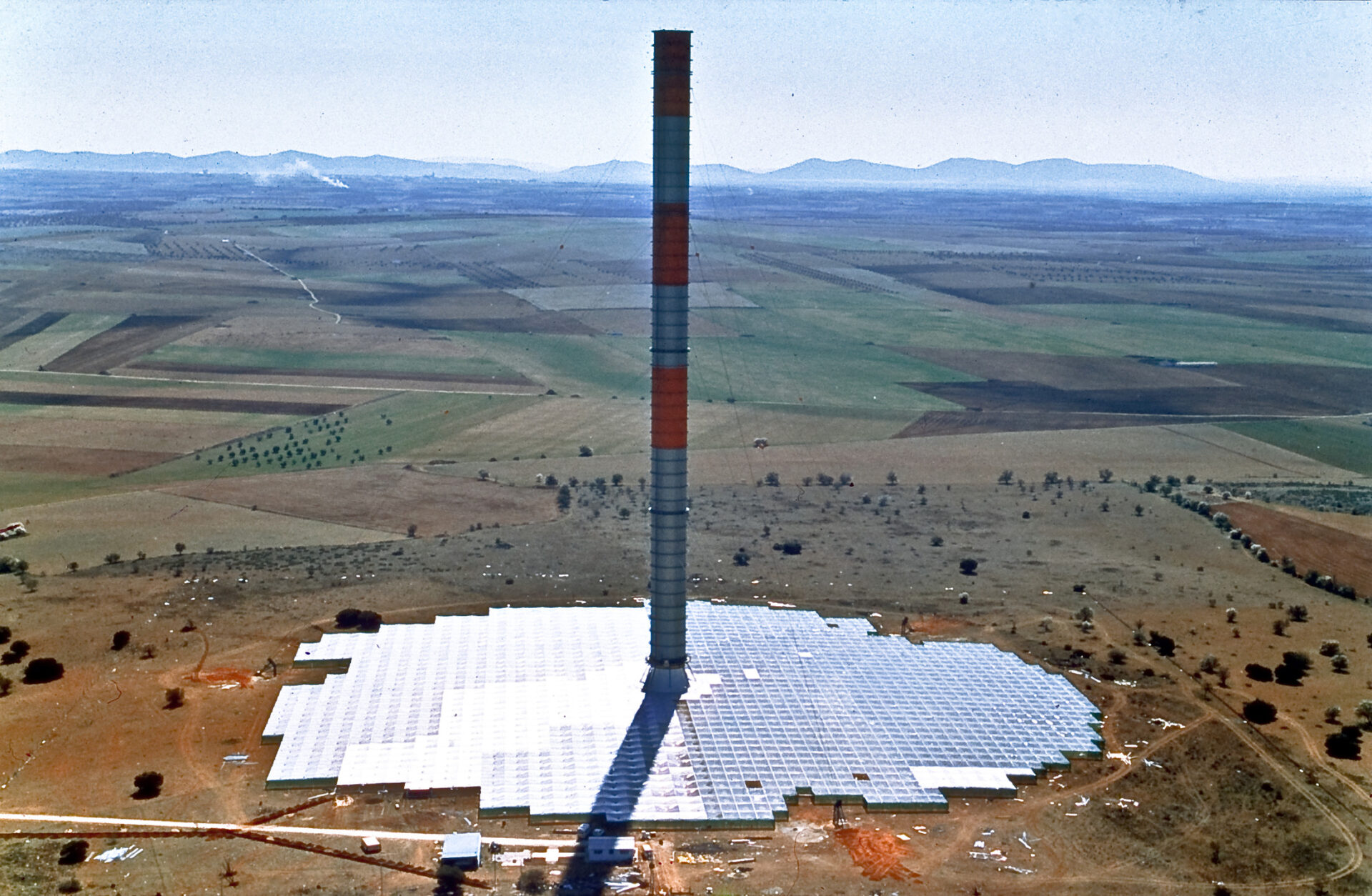
Solar Chimney in Spain Harnessed Sun to Generate Electricity for 7 Years Without Burning Fuel

-
Solar energy reaches 55 GW, becoming the second largest power source in Brazil’s energy mix

-
Solar energy can increase property value by up to 10% and become a selling point.
-
Solar and wind energy surpass natural gas for the first time in the world and accelerate energy revolution

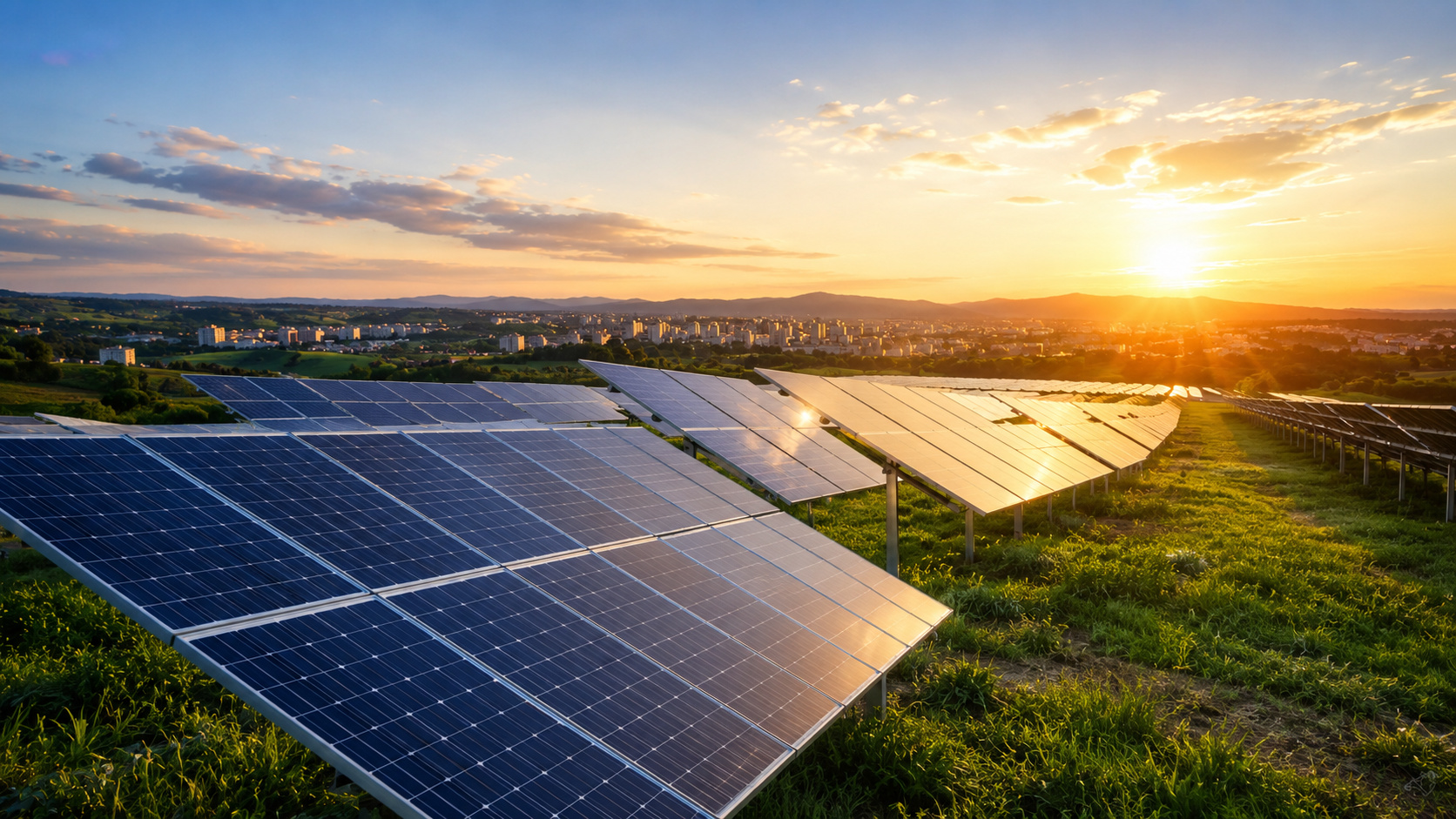
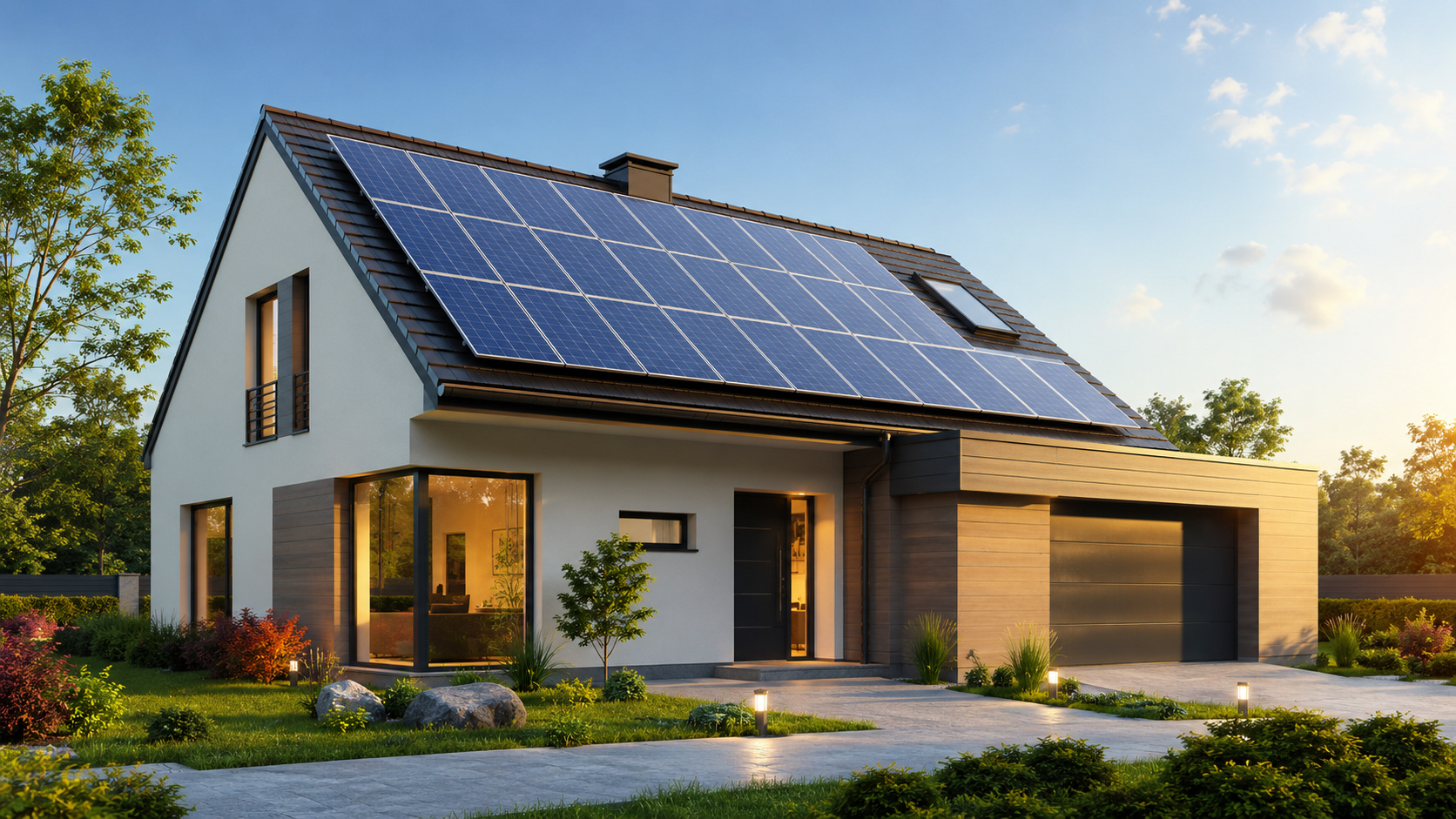

The significant growth compared to previous years reinforces BNB’s commitment to keeping families in the countryside and strengthening family farming, as emphasized by the institution.
Demand for Solar Energy Grows Among Family Farmers
The search for financing for solar panels in the countryside continues to grow. In 2024, BNB had already granted R$ 151 million in credit for this purpose, almost double the R$ 78 million recorded in 2023.
The number of contracts also nearly doubled: it rose from 8.6 thousand in 2023 to 17 thousand in 2024. This upward trend continues strong in 2025.
According to the bank, if the pace of the first four months is maintained, only Pernambuco could exceed R$ 14.5 million in released resources, totaling more than 2,000 operations by the end of the year.
Solar Energy in the Countryside: Economy and Sustainability
Investing in solar panels has been a strategic alternative for rural families seeking to reduce electricity costs.
With financing from the Northeast Bank, it is possible to install photovoltaic mini-generation systems directly on properties, taking advantage of the region’s strong solar potential.
In addition to cost savings, the use of clean energy contributes to environmental preservation and increases agricultural productivity, which are essential factors for the sustainability of the rural sector.
The Northeast Bank Supports the Countryside with Sustainable and Accessible Credit
Part of these resources is made possible through the National Program for Strengthening Family Farming (Pronaf), which offers favorable conditions for small-scale farmers.
Another relevant line is Agroamigo Sol, within the Northeast Bank’s oriented microcredit program. This line of credit is specifically aimed at financing solar energy for family farmers, with technical guidance and support.
The bank’s superintendent of rural microfinance and agribusiness, Luiz Sérgio Farias Machado, emphasized:
“BNB’s mission is to increase competitiveness in the rural area and contribute to the use of clean and renewable energy, which is not harmful to the environment, also in the rural area.”
Rural Credit Allied to Energy Transition in the Northeast
The use of solar energy panels in the countryside is no longer just a trend but has become a reality in thousands of properties.
The support from the Northeast Bank has been decisive in driving this energy transition in the rural area.
The numbers show that the region is advancing in the use of sustainable technologies, and access to credit is one of the main drivers of this change.
By offering accessible conditions and technical support, BNB contributes to generating income, saving energy, and ensuring that families remain in the countryside with greater dignity and autonomy.