






 Portuguese
  Spanish


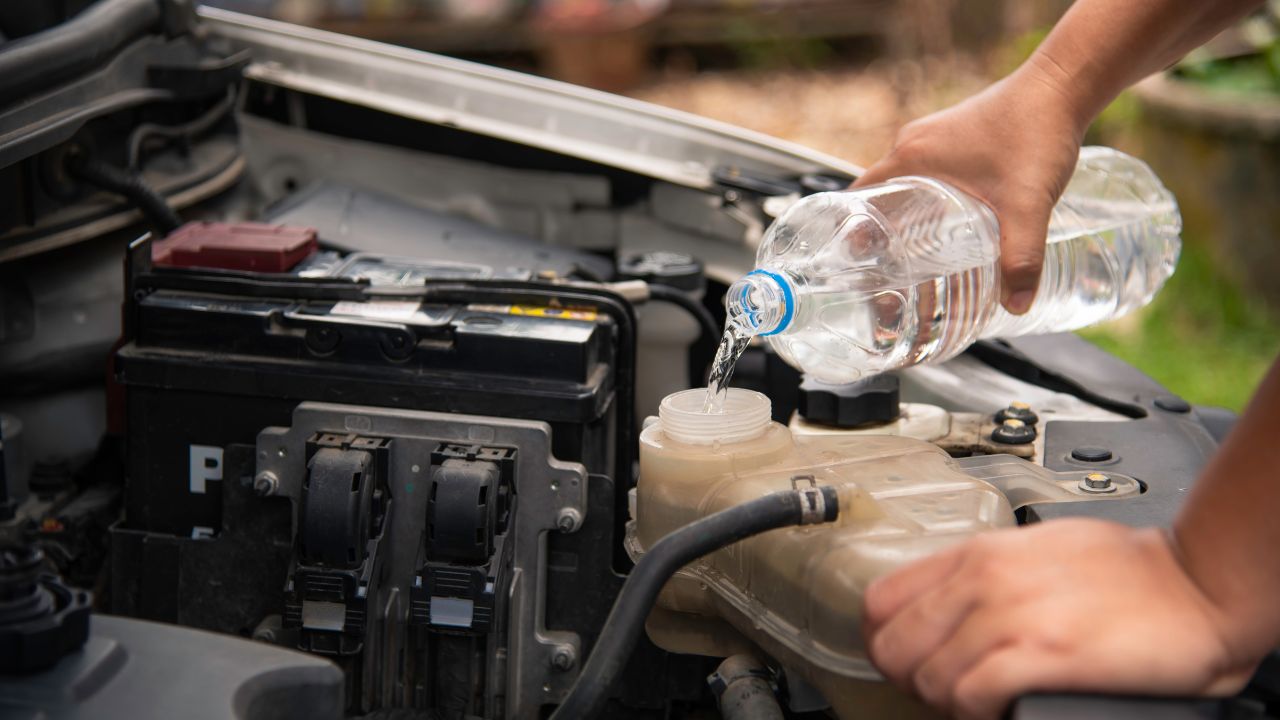


Discover If Using Water in the Radiator Can Damage the Engine, When It Is Permitted and Why Coolant Fluid Is the Best Choice. See the Risks Now.
Drivers who put pure water in the radiator instead of the recommended coolant may be taking a significant risk. Understand what happens to the engine, when it is permissible to use water, and why it is always best to follow the manufacturer’s recommendation.
The question about using water in the car’s radiator is common among drivers throughout Brazil. Many, due to a lack of information or in emergency situations, end up filling the system with regular water, unaware of the damage this can cause to the engine.
Although allowed in specific cases, the continuous use of pure water instead of coolant fluid can result in serious mechanical damage and even compromise the vehicle’s operation.
-
General Motors Replaces Over a Thousand Workers with 50 Cobots at Electric Vehicle Plant, UAW Union Criticizes Move Amid Industry’s Automation Push

-
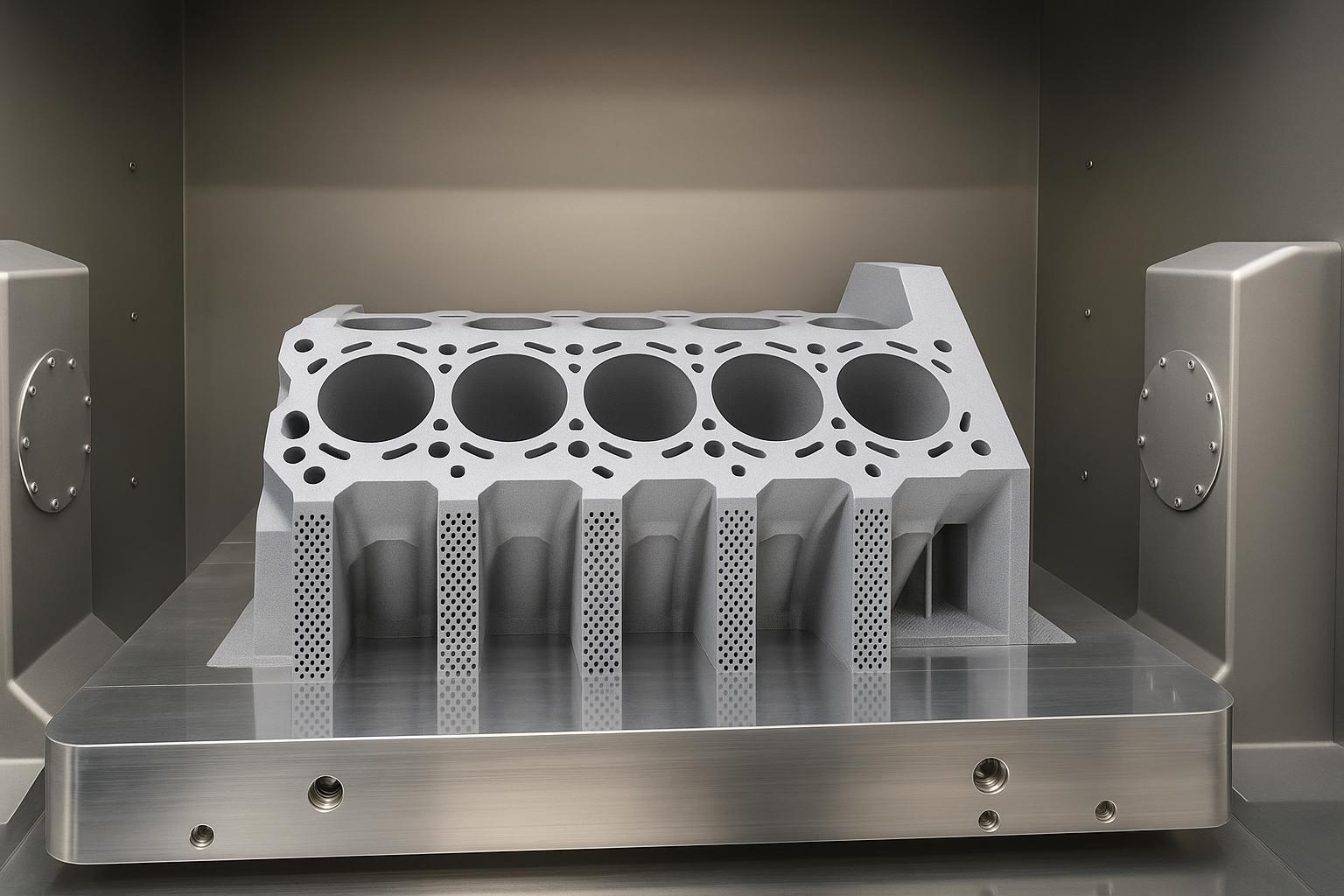
Bosch and Nikon 3D Print Entire Aluminum V8 Engine Block, Sparking New Competition in the Automotive Industry

-
Honda and Nissan Form Alliance to Tackle Competition from Chinese Automakers After $9 Billion Loss
-
Hyundai Phases Out Powerful Engine in HB20, Reduces Turbo Version in Strategic Shift Affecting Creta and HB20S, Potentially Impacting Car Prices in Brazil.




This type of situation can occur at any time, especially when there are leaks or drops in the fluid level.
However, what seems like a temporary solution can end up being costly if not addressed in time.
Why Does the Radiator Require Special Care?
The radiator is an essential component of the engine’s cooling system. Its main function is to keep the engine temperature stable, preventing overheating.
To do this, it relies on coolant fluid, a specific liquid that contains rust inhibitors, cavitation (the formation of vapor bubbles that corrode components), and freezing protection. Pure water, on the other hand, does not provide this protection.
The use of water in the radiator is acceptable only in emergency situations. That is, when it is not possible to refill with the correct fluid, such as in a sudden leak or breakdown on the road.
But it is important to emphasize: this measure should be temporary. After emergency use, the ideal is to drain the system and put in the appropriate liquid as soon as possible.
The Dangers of Driving with Pure Water in the System
Driving for long periods with pure water in the radiator can cause serious damage. Among the main issues are internal part corrosion, reduced efficiency in thermal exchange, and a greater risk of overheating.
In cold climate regions, the water can even freeze inside the system. This can lead to hose ruptures or even crack the radiator itself, resulting in high repair costs.
In addition to visible problems, there are other silent risks. Regular water contains minerals that accumulate in the engine galleries over time.
This accumulation disrupts the fluid circulation and hinders the cooling of the engine.
Another effect is cavitation: small vapor bubbles that explode within the system, causing erosion in delicate parts, such as the engine block.
These failures are often not immediately noticed but compromise the vehicle’s durability.
As it is such an important item for the car’s operation, the radiator should receive special attention. Whenever possible, use the coolant fluid indicated in the vehicle’s manual.
If you need to use water in an emergency, remember to replace it with the correct fluid as soon as possible.
Taking care of the cooling system is a way to avoid unpleasant surprises and ensure the good performance of your car for much longer.
With information from Olhar Digital.










Eu sabia mas não botava fé.