Portuguese
  Spanish


Understand How Biomethane in the Energy Security of Pernambuco Strengthens the Energy Matrix and Promotes Sustainability and Regional Development.
Energy security has been gaining more and more attention in Pernambuco and Brazil.
In recent years, the world has experienced a significant energy transition, marked by the search for renewable sources and the reduction of dependence on fossil fuels. Moreover, biomethane emerges as a strategic alternative, capable of strengthening the energy matrix of the State and, at the same time, supporting sustainability and regional economic development.
The governor Raquel Lyra recently visited the Ecoparque Orizon, in Jaboatão dos Guararapes, in the Greater Recife area, to closely monitor the biomethane production and supply project. Thus, the initiative arises from the partnership between the private company Orizon and the Pernambuco Gas Company (Copergás), consolidating an innovative model of energy production from organic waste.
-
Corn ethanol attracts R$ 23 billion in 21 new plants and prepares for a nearly 50% jump in Brazilian production by 2027, even with high interest rates.

-
Ceará brings together 7 giants and R$ 66 billion to transform Pecém into the largest green hydrogen hub in Brazil, with final decisions expected by the end of 2026.
-
H2A to Invest $570 Million in 22 Biomethane Plants in Brazil, Converting Agricultural Waste into 700 Tons of Renewable Fuel Daily

-
Brazil to Introduce B16 Diesel with Increased Soybean Oil Content for Trucks by 2026


Historically, Pernambuco has faced significant challenges in terms of energy supply. For decades, the State concentrated its matrix on natural gas and electricity generated by thermoelectric plants. This made the State dependent on fossil sources. Consequently, the local economy became exposed to fluctuations in the international oil price and the environmental risks arising from the emission of polluting gases.
In this context, the introduction of biomethane in the energy security of Pernambuco changes the energy paradigm of the State, promoting greater autonomy and sustainability. Therefore, the adoption of renewable sources, such as biomethane, creates opportunities for technological and industrial innovation, strengthening the competitiveness of the local energy sector.
The Ecoparque Orizon and Innovation in Biomethane Production
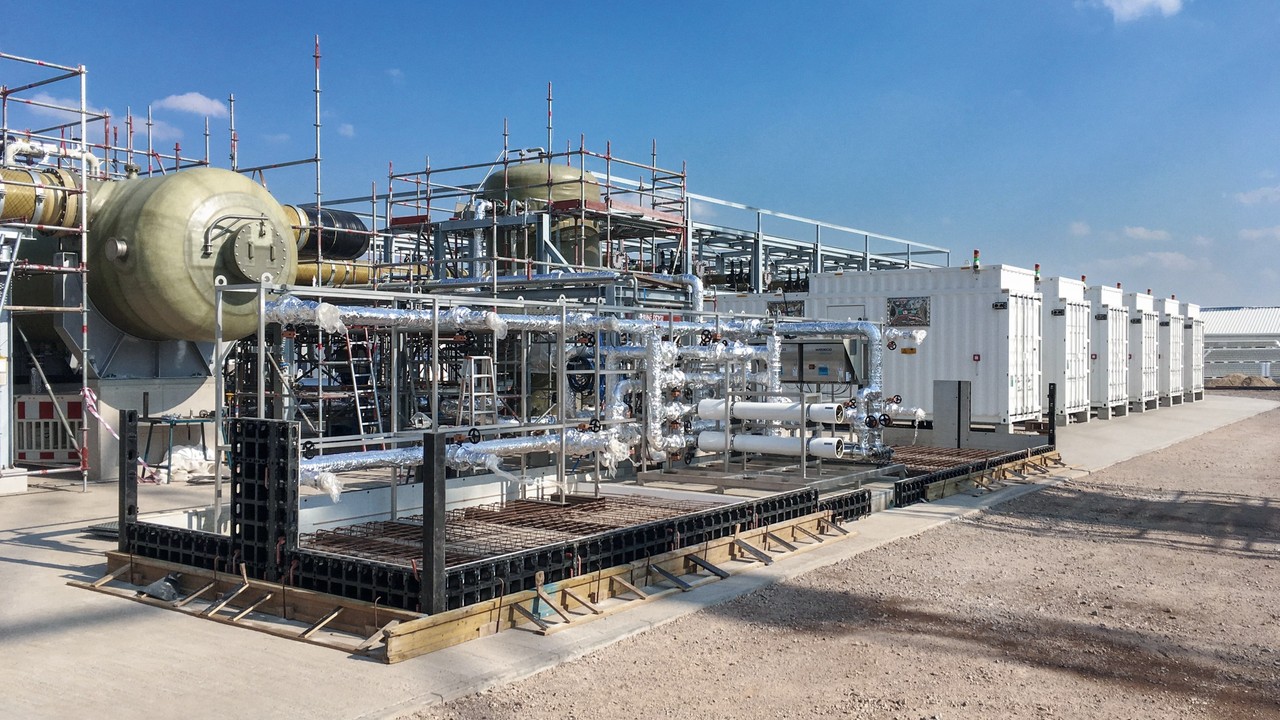
The Ecoparque Orizon installed a 9 km gas pipeline, already completed in its physical stage. The company will start up to 180 days of testing before full operation.
Moreover, the initially contracted volume of 60,000 m³/day has been increased to up to 130,000 m³/day, reinforcing the capacity of the venture. According to the director of institutional relations at Orizon, Percy Soares, the biomethane plant is ready to operate and will decarbonize Pernambuco’s gas matrix, utilizing organic waste that previously went only to landfills.
The biomethane results from the decomposition of organic waste, such as food scraps and industrial waste. This process turns garbage into clean energy, reduces greenhouse gas emissions, and contributes to the circular economy.
However, historically, waste was discarded, generating waste of raw materials and environmental problems.
With the production of biomethane, Pernambuco can generate energy, fuel from waste, and recycled products, promoting a sustainable production cycle. Thus, for Governor Raquel Lyra, the project exemplifies the new economy, combining innovation, sustainability, and economic development.
During her visit to the Ecoparque, she emphasized that the project allows for closing a production cycle, benefiting industries and clients of Copergás, who will be able to decarbonize their operations effectively. “It’s not just talk, it needs to happen now,” she stated, highlighting the importance of practical actions in the energy transition.
Moreover, the project contributes to the training of specialized professionals in renewable energies. This training ensures that Pernambuco consolidates its position as a clean technology hub, stimulating research and developing innovative solutions.
Economic and Social Impacts of Biomethane
The state secretary of Economic Development, Guilherme Cavalcanti, also highlighted the relevance of the Ecoparque for strengthening productive arrangements and local industries.
The production of biomethane not only increases energy security, but also boosts the economy, creates jobs, and strengthens productive chains. Currently, about 500 people are already working on the project. The expectation is that this number will grow in the coming months, benefiting Pernambuco and Jaboatão dos Guararapes.
Bruno Costa, CEO of Copergás, highlighted that the initiative follows the sustainability guidelines of the state government and represents a strategic investment for Pernambuco. The visited plant is the largest biomethane unit in the Northeast. Thus, it consolidates the State as a regional energy hub.
Therefore, this movement shows that biomethane production can grow and replicate in other regions. It transforms Pernambuco into a reference in the sector. Biomethane significantly contributes to the diversification of the energy matrix, a crucial factor for energy resilience.
Moreover, biomethane reinforces the circular economy. It generates new products from organic waste and encourages companies to develop sustainable solutions. The presence of a modern and clean industry attracts investments and enhances local territory. This creates growth opportunities for neighboring municipalities.
Sustainability and Technological Innovation
In a global scenario marked by instability in oil prices and climate crises, relying on renewable sources, such as biomethane, ensures security in energy supply. It also reduces economic and environmental vulnerabilities.
At the same time, leveraging organic waste strengthens sustainability policies and efficient resource management, aligning energy development with environmental preservation.
Historically, Brazil started renewable energies focusing on hydropower and biomass. Pernambuco, however, has stood out by investing in diversified alternatives, such as solar, wind, and biomethane energy. Thus, this movement demonstrates political and economic maturity, attention to technological innovation, strengthening of local industries, and commitment to sustainability.
Biomethane in the energy security of Pernambuco is not limited to energy generation. It creates a multiplier effect in the local economy, attracts investments, strengthens jobs, and stimulates the development of green technologies. Utilizing waste as an energy source shows a modern approach, capable of turning environmental challenges into economic opportunities.
Therefore, the diversification of the energy matrix helps Pernambuco prepare for the future, ensuring that the State is less susceptible to external crises and more capable of meeting the demands of the population and industries continuously and sustainably.
Pernambuco as a Reference in Clean Energy
Pernambuco’s role as a regional reference in clean energy is strengthened by the project. By strategically adopting biomethane, the State reduces its dependence on fossil fuels and positions itself ahead in the decarbonization agenda.
Thus, this transition is essential to meet the sustainability demands of the 21st century, ensuring reliable, clean, and accessible energy for industries, businesses, and citizens.
Moreover, the production of biomethane reinforces public policies for solid waste management, following national and international environmental guidelines. The integration between the public and private sectors, such as the partnership between Orizon and Copergás, shows that energy transition is feasible and generates social, economic, and environmental benefits simultaneously.
In summary, the Ecoparque Orizon demonstrates how biomethane can be a strategic vector for the energy security of Pernambuco, promoting diversification, sustainability, and economic growth. The project reinforces the commitment of the state government to lead the energy transition, consolidating Pernambuco as a hub of innovation and reference in renewable energies in the Northeast.
By transforming waste into clean energy, the State contributes to environmental preservation and strengthens its economy and quality of life. Thus, the Pernambuco example shows that it is possible to combine economic development, environmental responsibility, and technological innovation.
Biomethane presents itself as a concrete solution, capable of facing historical challenges of the energy matrix and ensuring a sustainable future for Pernambuco and Brazil.