





 Portuguese
  English
  Spanish
  4 min of reading
  0 comments


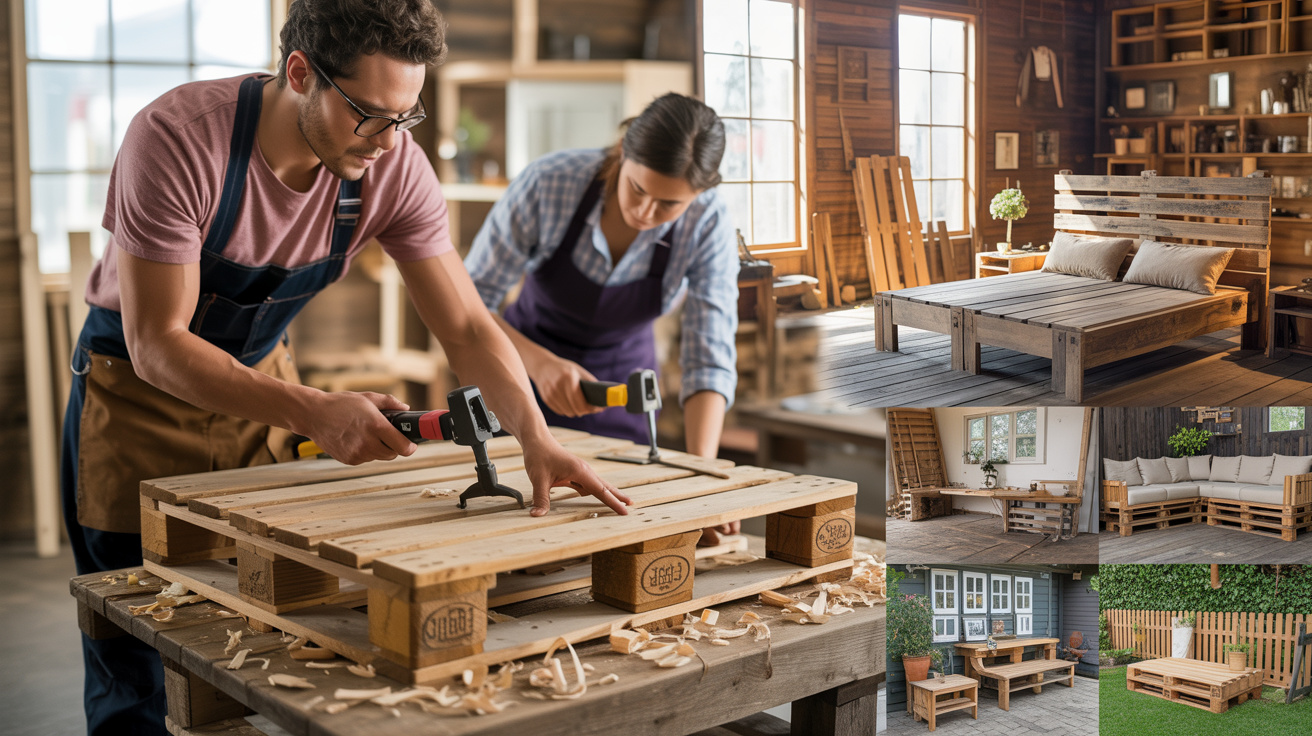
Wooden Pallets Used in Global Logistics Are Being Reused to Create Beds, Sofas, and Fences, Reducing Costs and Waste.
For decades, wooden pallets have been seen merely as disposable parts of the global logistics machinery. Used to transport goods in ports, distribution centers, industries, and supermarkets, they often have a short lifespan within the commercial chain. However, in various countries, ordinary people have begun to see these rustic platforms as a durable, abundant, and free raw material to create furniture and complete household structures.
The reuse of abandoned pallets has stopped being a momentary curiosity and turned into a movement documented by specialized magazines on gardening, woodworking, and sustainability, as well as DIY construction platforms. Beds, sofas, tables, fences, and even external structures are being assembled from wood that would have otherwise been destined for disposal or burning.
Why Have Pallets Become Such a Valuable Raw Material?
The main reason lies in the quality of the wood. Pallets are designed to withstand heavy loads, constant vibrations, and stacking during international transportation. Therefore, they are made from thick boards, treated reforested wood, and reinforced structures.
-
For around 200 reais, anyone can buy a kit and have a chip implanted between their fingers to replace cards, keys, badges, and even medical information in case of a hospital emergency.

-
A 600-meter hill in the interior of Santa Catarina hides a volcanic past of almost 600 million years. The Morro do Garrafão in Corupá may have been an ancient extinct volcano, and science now confirms what the residents have always suspected.
-
Family has lived for over 50 years without electricity and running water at home in the South of Minas, 10 minutes from the city, improvising light, bath, and water while facing a lack of basic resources and awaiting property regularization.

-
Children from the 1980s and 1990s who spent hours playing in the street until dark naturally developed spatial intelligence, which today has become the subject of expensive courses, cognitive training, and modern methods of child and adult learning.







Another determining factor is availability. Millions of pallets circulate daily around the world, and a significant portion is discarded due to minor aesthetic damages or because they no longer meet the standards required by formal logistics. For home use, these flaws do not compromise structural strength.
Moreover, the modular design facilitates reuse. A single pallet can be disassembled into standardized boards, ready to be repurposed with minimal cuts.
Beds Made of Pallets Are Gaining Space in Homes
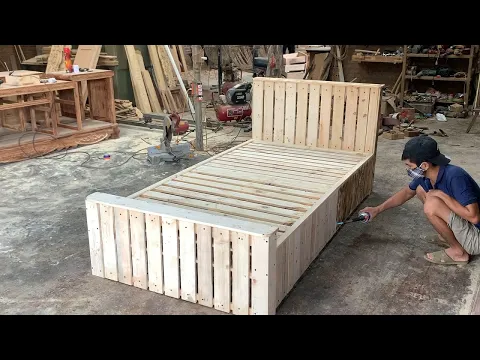
One of the most popular uses is the construction of beds and mattress bases. When stacked and secured correctly, pallets form stable platforms capable of supporting high weight without the need for metal slats.

Projects documented by magazines like The Spruce and Gardeners’ World show beds made entirely from sanded, treated, and painted pallets, often incorporating built-in lighting and storage compartments. The structure allows for good ventilation of the mattress and can be adjusted in height according to the number of pallets used.
The reduced cost is one of the main attractions. Compared to conventional solid wood beds, reusing pallets can represent significant savings, especially in rural settings or alternative housing projects.
Sofas, Benches, and Tables Emerge from the Same Modular Logic
The same logic applied to beds extends to the manufacturing of sofas, benches, and tables. The structural base of the pallet serves as the skeleton of the furniture, while cushions, upholstery, or wood caps complete the finish.

In outdoor areas, such as balconies, backyards, and gardens, pallet sofas have gained prominence for withstanding the weather when treated properly. The rustic-industrial style has become part of the visual appeal, being incorporated even into bars, cafés, and commercial spaces.
Center tables and side tables made from reused pallets have also gained popularity for bypassing complex woodworking processes. Many use only sanding, varnish, and industrial wheels for mobility.
Fences and Partitions Made from Abandoned Pallets
In addition to furniture, pallets have begun to be used as fences, partitions, and barriers in residential and rural areas. When fixed vertically, they function as open panels that define spaces without completely blocking ventilation or light.

In rural areas, small producers use pallets to enclose gardens, chicken coops, and flower beds, replacing more expensive metal fences. In urban areas, they appear as garden dividers, panels for climbing plants, and decorative fences.
The strength of the wood, combined with the ease of replacing damaged parts, makes this type of structure practical and easy to maintain.
Safety and Care in Reusing Wood
Despite the popularity, experts warn of essential precautions. Not all pallets are suitable for home use. Pallets used in international transportation are often treated to prevent pests, and some chemical treatments are not recommended for indoor environments or prolonged contact.
For this reason, technical sources such as Fine Woodworking recommend checking the pallet marking, prioritizing those treated thermally (HT) rather than chemically (MB). Cleaning, deep sanding, and the application of sealants are also fundamental steps to ensure safety and durability.
When these precautions are followed, reused wood becomes as safe as other woods used in conventional woodworking.
Sustainability and Reduction of Industrial Waste
The environmental impact of reusing pallets is significant. Each reused unit represents less wood being discarded, less waste burning, and lower demand for new materials.
In a global context of pressure on natural resources, the reuse of logistical structures fits directly into circular economy practices, where the waste of one sector becomes input for another.
This movement, initially domestic and informal, has come to be recognized as a viable alternative in low-cost projects, temporary housing, and community constructions.
From Industrial Disposal to Complete Domestic Structure
What was once seen as trash has come to occupy living rooms, bedrooms, backyards, and outdoor areas around the world. Abandoned pallets have ceased to be merely waste from logistics to transform into sturdy, functional, and durable beds, sofas, tables, and fences.
More than just an aesthetic trend, the reuse of these materials reveals a shift in mindset: the search for accessible, sustainable solutions based on the intelligent adaptation of existing resources.








-

-

-

-

-

-

112 people reacted to this.