






 Portuguese
  Spanish
  2 min of reading
  0 comments


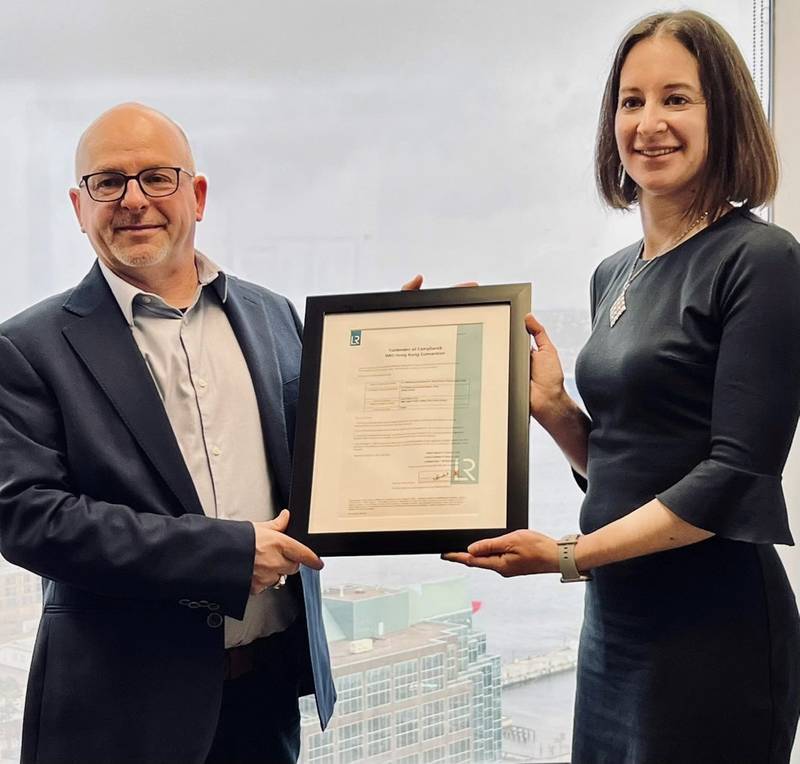
LR Certified The Recycling Facility Of Nova Scotia, R.J. MacIsaac (RJMI), According To Environmental Protection System Requirements.
Lloyd’s Register (LR) certified the recycling facility of Nova Scotia, R.J. MacIsaac (RJMI), in compliance with the requirements of the International Hong Kong Convention For The Safe And Environmentally-Friendly Ship Recycling.
RJMI became the first Canadian facility to receive a Statement of Compliance (SoC) to the Hong Kong Convention for international ship recycling standards, which is set to come into effect in June 2025.
Vessel recycling is an important practice to ensure that ship dismantling is conducted safely and sustainably. The ship deconstruction process must follow international regulations to avoid negative impacts on the environment.
-
Oil production grows in Rio, but reserve replacement raises a warning sign

-
Petrobras is expected to complete the drilling of the Morpho well in the Foz do Amazonas in August 2026, the first well in the Equatorial Margin, an oil frontier that the ANP estimates at more than 30 billion barrels and could redraw the map of Brazil.

-
Oil returns to the center of concerns with tension between the US and Iran

-
IEA reduces forecast for global oil demand in 2026 after impacts of the Middle East crisis



Ship Recycling
RJMI was required to demonstrate that its environmental protection systems, workforce safety, and emergency preparedness exceed the strict conditions of the convention. LR also certified that the company operates in accordance with its own environmental, social, and corporate governance policies.
Adopted in 2009, the Hong Kong Convention is overseen by the International Maritime Organization and aims to ensure that ship recycling does not pose unnecessary risks to humans or the environment. It pertains to the environmental and safety conditions at ship recycling facilities and the hazardous materials on board the vessels being recycled.
Vessel Recycling
Hakan Erkal, senior inspector at the LR office in Dartmouth, Nova Scotia, who worked closely with RJMI on the project, said: ‘As a pioneer in the industry for Canada, RJMI has demonstrated a real commitment to ensuring that the high safety standards observed at their facilities align with those required by this international convention. With less than two years until the Hong Kong Convention comes into effect, it is encouraging to see shipyards like RJMI pursuing certification for these requirements.’
Boyd MacIsaac, president of RJMI, added: ‘Our focus on continuous improvement in safety, environmental protection, and efficiency is the reason we are achieving these international certifications. We are determined to remain the leading recycler of green marine vessels in Canada. Moreover, meeting increasingly stringent international standards for safety, environmental protection, and efficiency allows us to compete not only in Canada but also abroad.’
Ship Dismantling
RJMI has deconstructed a variety of vessels, including the Offshore Gas Production Platform Deep Panuke and vessels from the Canadian government, ranging from warships to ferries, at its Sheet Harbour facilities in Nova Scotia. It is currently dismantling and recycling the former CCGS Hudson.
Shipbuilding Industry News Activity Regulation Ship Recycling Certification







Be the first to react!