






 Portuguese
  Spanish
 4 min of reading
  0 comments


Duque de Caxias Refinery (REDUC) Achieves International ISCC CORSIA Certification, Expanding Brazil’s Role in SAF Production and Promoting Sustainable Aviation and Industrial Decarbonization
Duque de Caxias Refinery (REDUC), located in Rio de Janeiro, has become the first Brazilian refinery to obtain the international ISCC CORSIA certification for the production of SAF (Sustainable Aviation Fuel) through the HEFA (Hydroprocessed Esters and Fatty Acids) route. According to an article published by Petronotícias, this achievement represents a significant advance in sustainable aviation and reinforces the country’s commitment to decarbonizing the industry.
International ISCC CORSIA Certification for REDUC
The international ISCC CORSIA certification was issued in October 2025, after REDUC received authorization from the National Agency of Petroleum, Natural Gas and Biofuels (ANP) in May of the same year to begin SAF production.
This certification ensures that the fuel meets global standards for sustainability and traceability, essential for reducing greenhouse gas emissions in the aviation sector.
-
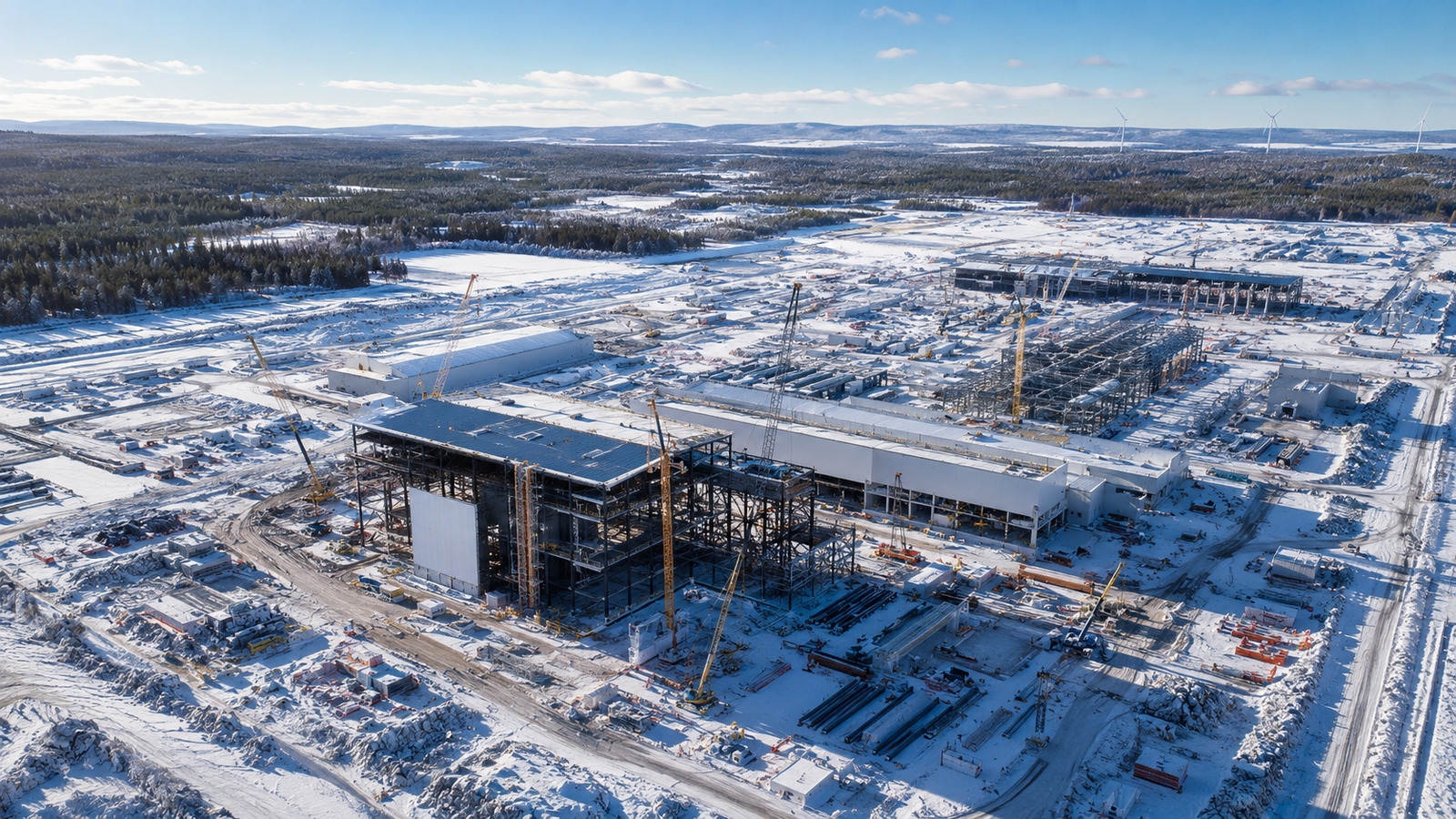
US$ 7 billion, green hydrogen, and steel with up to 95% less CO₂: the first green steel plant on the planet emerges in Sweden and targets Brazil as the next chapter

-
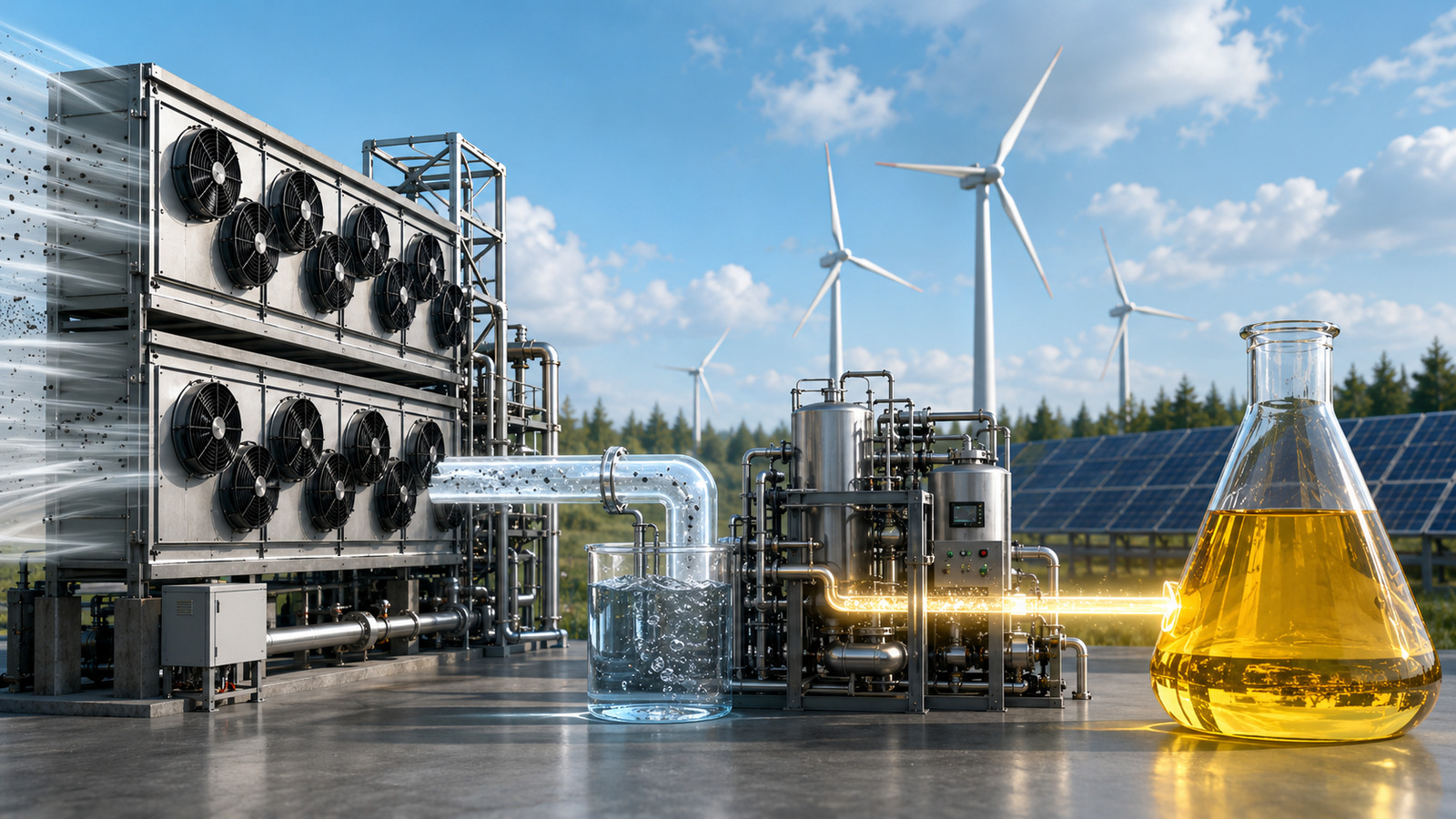
Swedes manage to create synthetic fuel with CO₂, water, and renewable energy, compatible with current engines, but face a huge problem: the energy expenditure is still double the return.
-
Brazil begins to transform wheat, residues, sweet potatoes, and soy molasses into ethanol, in a new phase of biofuels that seeks to utilize leftovers from the field and industry to fuel flex-fuel cars.

-
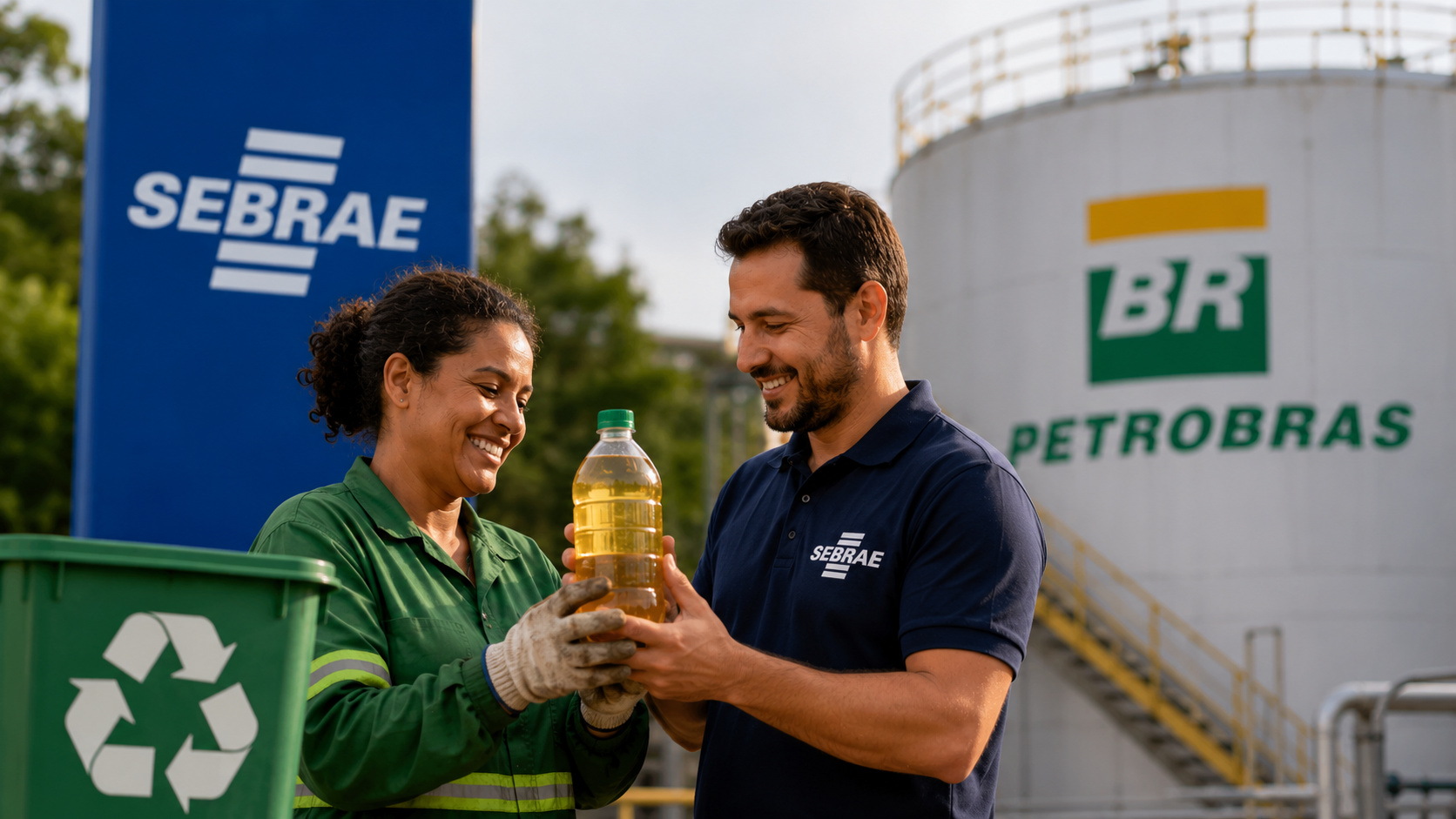
Sebrae and Petrobras join forces in Ceará to include waste pickers in the circular economy and strengthen the biofuel chain, creating new income opportunities and expanding the sustainable use of waste with a direct impact on regional development.


Petrobras takes another step towards a fair energy transition, stated William França, Director of Industrial Processes and Products at the state-owned company. According to him, the SAF produced by REDUC is a strategic low-investment and quick-implementation solution that effectively contributes to the decarbonization of the aviation sector.
SAF: Strategic Fuel for Sustainable Aviation
SAF is an alternative fuel to conventional aviation kerosene, produced from renewable raw materials such as vegetable oils and organic waste. The HEFA route used by REDUC allows for the coprocessing of these inputs with traditional petroleum streams, without the need for modifications to aircraft or refueling infrastructure.
This makes SAF a practical and immediate solution for reducing carbon emissions in aviation, especially on international flights, which will be required to use this type of fuel starting in 2027, as stipulated by the Future Fuel Law and the CORSIA (Carbon Offsetting and Reduction Scheme for International Aviation) program.
Production Capacity of REDUC and Market Potential
REDUC is authorized by the ANP to incorporate up to 1.2% of renewable raw material in SAF production through the HEFA route. The expectation is that the refinery will start marketing up to 50,000 cubic meters per month (equivalent to 10,000 barrels per day) in the coming months.
This volume is consistent with the requirement to reduce 1% of greenhouse gas emissions for domestic aviation by 2027. Additionally, using low carbon intensity raw materials ensures that the SAF produced aligns with international sustainability standards.
National production certified by REDUC represents a strategic step to meet the growing demand for clean fuels, especially in a global market seeking viable alternatives for industrial decarbonization.
Technical Advances and Petrobras Leadership
The achievement of international certification by REDUC is more than a technical recognition — it is a symbol of Brazil’s ability to lead the energy transition.
By investing in low-carbon technologies and sustainable solutions, the refinery directly contributes to the decarbonization of industry and the fulfillment of global climate goals.
In addition to REDUC, the Henrique Lage Refinery (Revap) in São José dos Campos (SP) also conducted tests for SAF production, demonstrating Petrobras’s progress in renewable fuel research and development.
The SAF generated by coprocessing is competitive and solidifies the fair energy transition, emphasized Claudio Schlosser, Director of Logistics, Marketing, and Markets at Petrobras. He also pointed out that Brazil is at the forefront of global requirements, paving the way for more sustainable aviation.
Discrepancy Between Industrial Advances and Public Policies
While Petrobras announces concrete milestones in SAF production, the Ministry of Airports recently signed a memorandum of understanding with a Chinese company to start studies on the topic.
This episode reinforces the importance of aligning public policies with the technical and industrial capabilities of the country, ensuring that investments in innovation and sustainability are recognized and enhanced.
REDUC already has technology, international certification, and regulatory authorization to produce SAF, while the government is still seeking external partnerships to study the topic. This disconnection may limit the immediate utilization of national potential.

REDUC and the Future of Clean Energy in Brazil
The ISCC CORSIA certification obtained by REDUC marks a turning point in Brazilian sustainable aviation. With technical capacity, regulatory authorization, and alignment with global standards, the refinery is ready to lead the production of SAF in the country.
This advance not only contributes to the decarbonization of industry but also strengthens Brazil’s position as a protagonist in the energy transition. In an increasingly demanding global scenario regarding sustainability, initiatives like this are essential for ensuring competitiveness, innovation, and environmental responsibility.






Be the first to react!