Portuguese
  Spanish


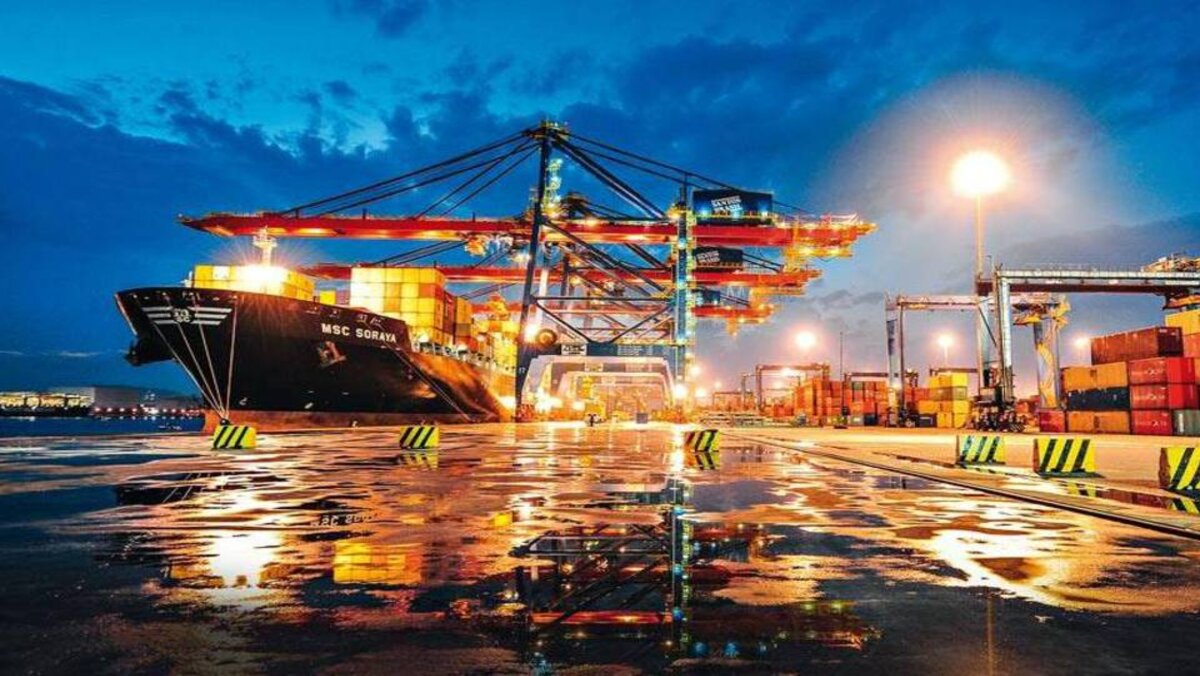

The Ministry of Infrastructure is Forecasting a Reduction of Up to 20% in Tariffs Charged Within the Port of Santos for Cargo Transport Operations After Privatization and, Consequently, Expects Greater Attraction of Enterprises to the Location
The projections from the Ministry of Infrastructure regarding the privatization of the Port of Santos for this Friday (04/29) are quite optimistic. The agency hopes that, after the privatization process, new enterprises will be attracted to the location due to the expected reduction in tariffs charged for cargo transport operations at the complex, which has established itself as one of the largest in the national port sector.
The Privatization Process of the Port of Santos Should Culminate in a Reduction of Up to 20% in Tariffs Charged for Cargo Transport and Attract New Enterprises
The Ministry of Infrastructure, in partnership with the National Agency for Waterway Transportation (Antaq), is increasingly invested in the privatization processes of national port complexes, and the next on the list is the Port of Santos. Therefore, with the privatization process of the complex, the ministry expects to attract new enterprises with the reduction that is being projected for the tariffs charged within cargo transport operations.
According to initial projections from Antaq and the Ministry of Infrastructure, the Port of Santos is expected to receive a reduction of up to 20% in cargo transport tariffs after the completion of the privatization process. This is a great opportunity for the complex not only to achieve greater attraction of investors but also to generate even greater competitiveness within the national port segment, in which enterprises in the complex will be increasingly sought after for the tax benefits and low tariffs.
-
They exchanged the idea of a large house for a 35 m² warehouse, spent US$ 12,000 on the structure, and created a tiny house in Colorado with space to live and work.

-
While modern cities rely on pumps and electricity, in Iran, ancient tunnels carried water through the desert using only slope and gravity.
-
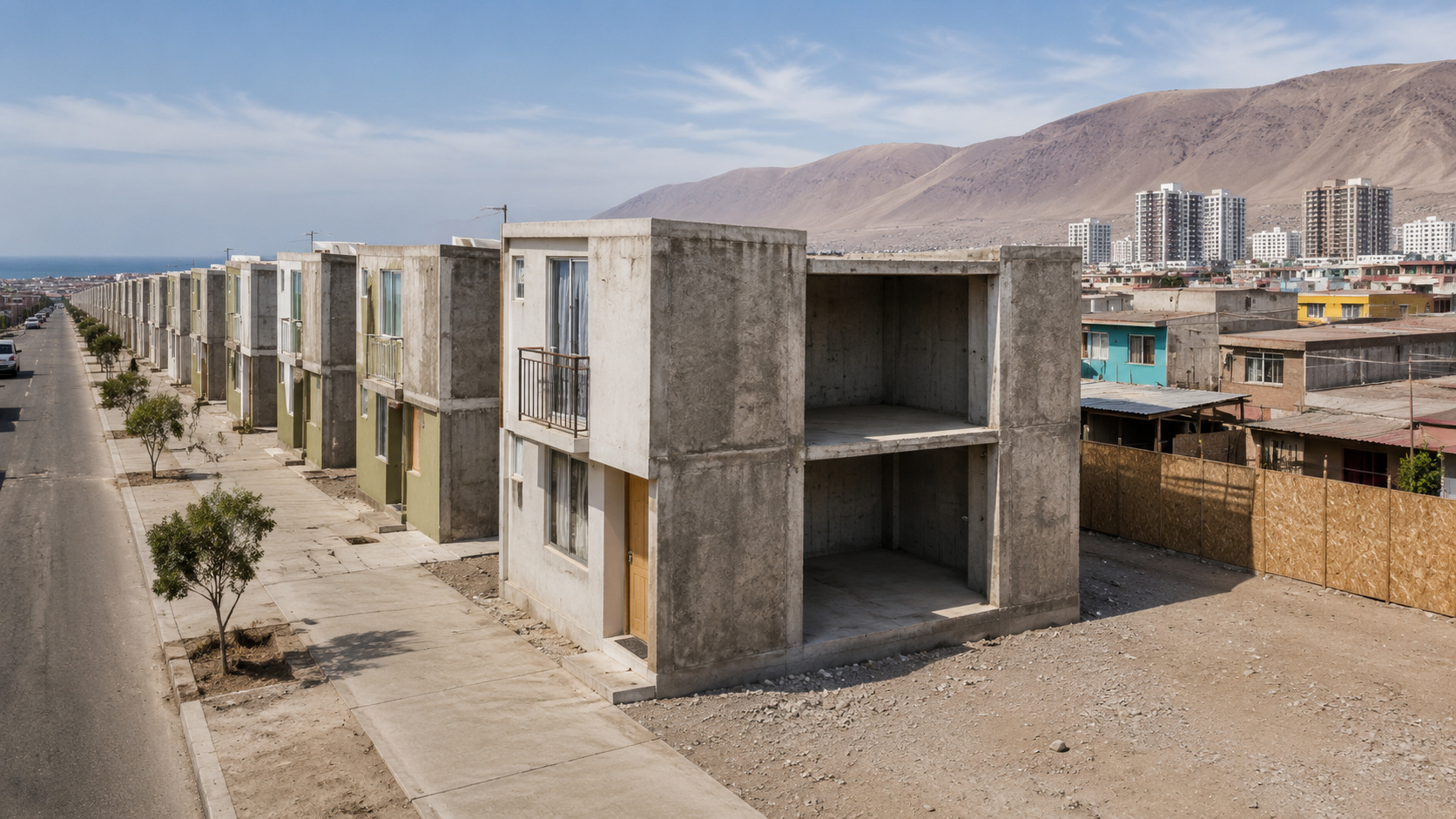
Instead of sending families far from the city, a project in Chile intentionally created incomplete houses on expensive urban land and left technical space for each to grow.
-
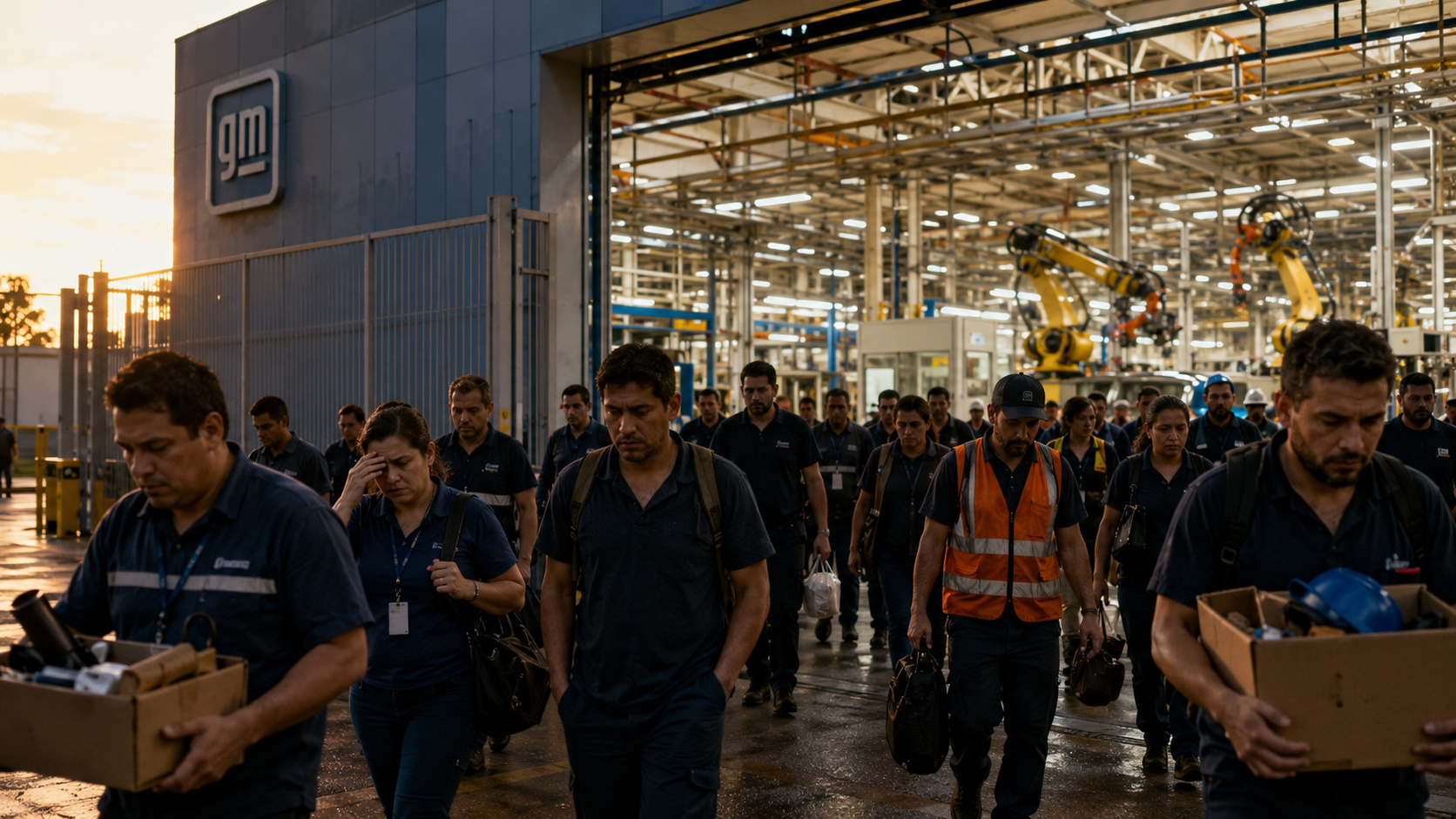
General Motors Replaces Over a Thousand Workers with 50 Cobots at Electric Vehicle Plant, UAW Union Criticizes Move Amid Industry’s Automation Push

Despite this, the Ministry of Infrastructure still needs to finalize these projections with the completion of the privatization, since the current reality is far from the proposed tariff reductions, as a new tariff structure with an average adjustment of 13.2% authorized by Antaq came into effect this month. This is not very encouraging news for the port sector, but the privatization of the Port of Santos could still attract even greater growth for the complex if the ministry’s projections align with what will happen to cargo transport tariffs.
Port Sector Representatives Stress the Need for Low Tariffs for Cargo Transport Operations for a More Attractive Productive Chain to Enterprises
One of the main objectives of the Federal Government and the Ministry of Infrastructure with the privatization of the Port of Santos is the attraction of new investments for the local infrastructure. However, the possibility of even lower tariffs and a new dynamic to attract enterprises focused on cargo transport at the port has opened the agencies’ eyes to ensure that this is one of the points to be observed during the privatization process.
Thus, the President of the National Federation of Port Operators (Fenop), Sérgio Aquino, commented on the importance of reducing tariffs for cargo transport in attracting enterprises to the port and stated, “Any increase or decrease in the tariffs charged by the port always impacts the user’s cost. This means they influence both upwards and downwards on imported goods and the competitiveness of export products. But everything is reflected in the price of products. If the port terminal charges too much, and if the shipping company charges high freight, the cargo always pays the bill.”
Therefore, the Ministry of Infrastructure needs to work alongside the company that will acquire the Port of Santos after privatization to ensure that these projections become a reality in the future scenario of the complex.