Portuguese
  Spanish


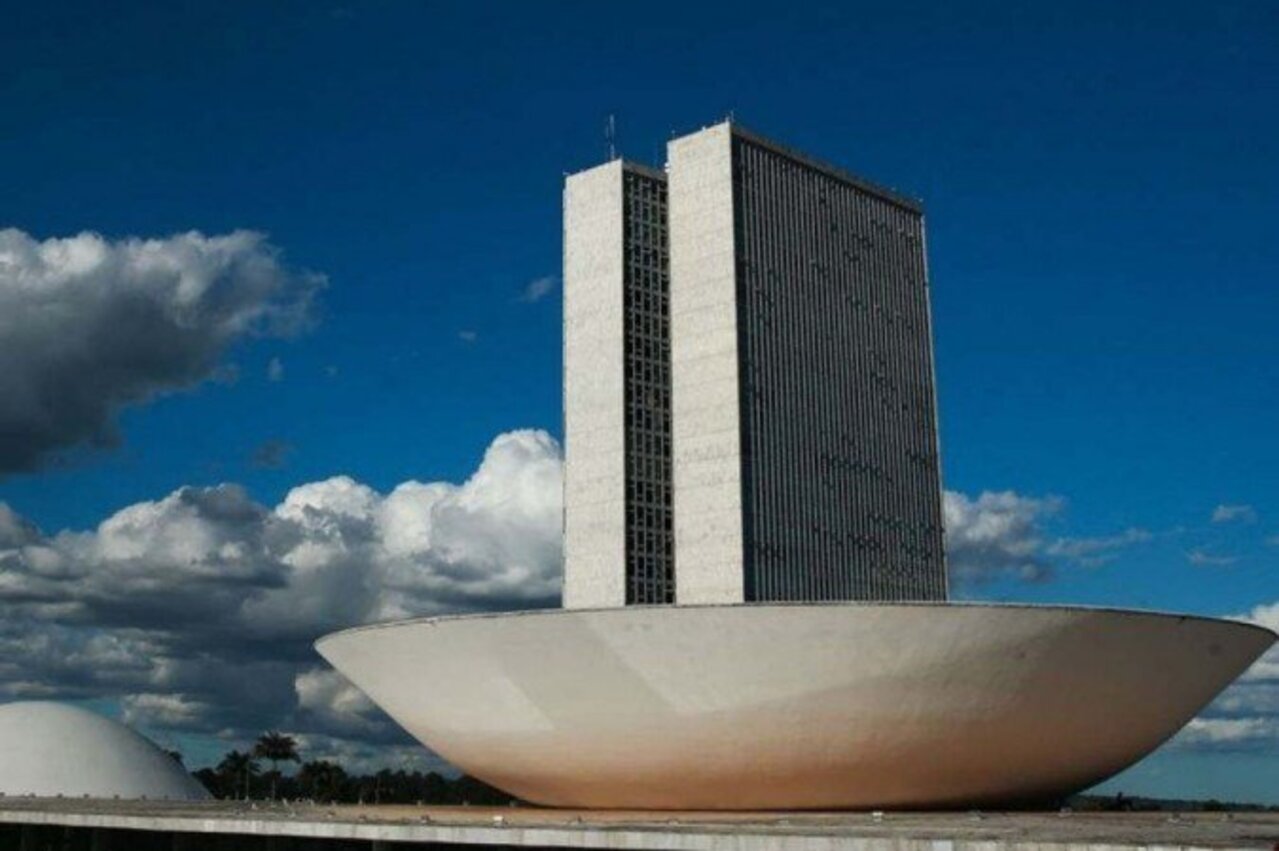

A New Taxation Proposal Takes Shape, Promising to Impact Oil and Mineral Extraction While Aiming to Optimize Tax Collection.
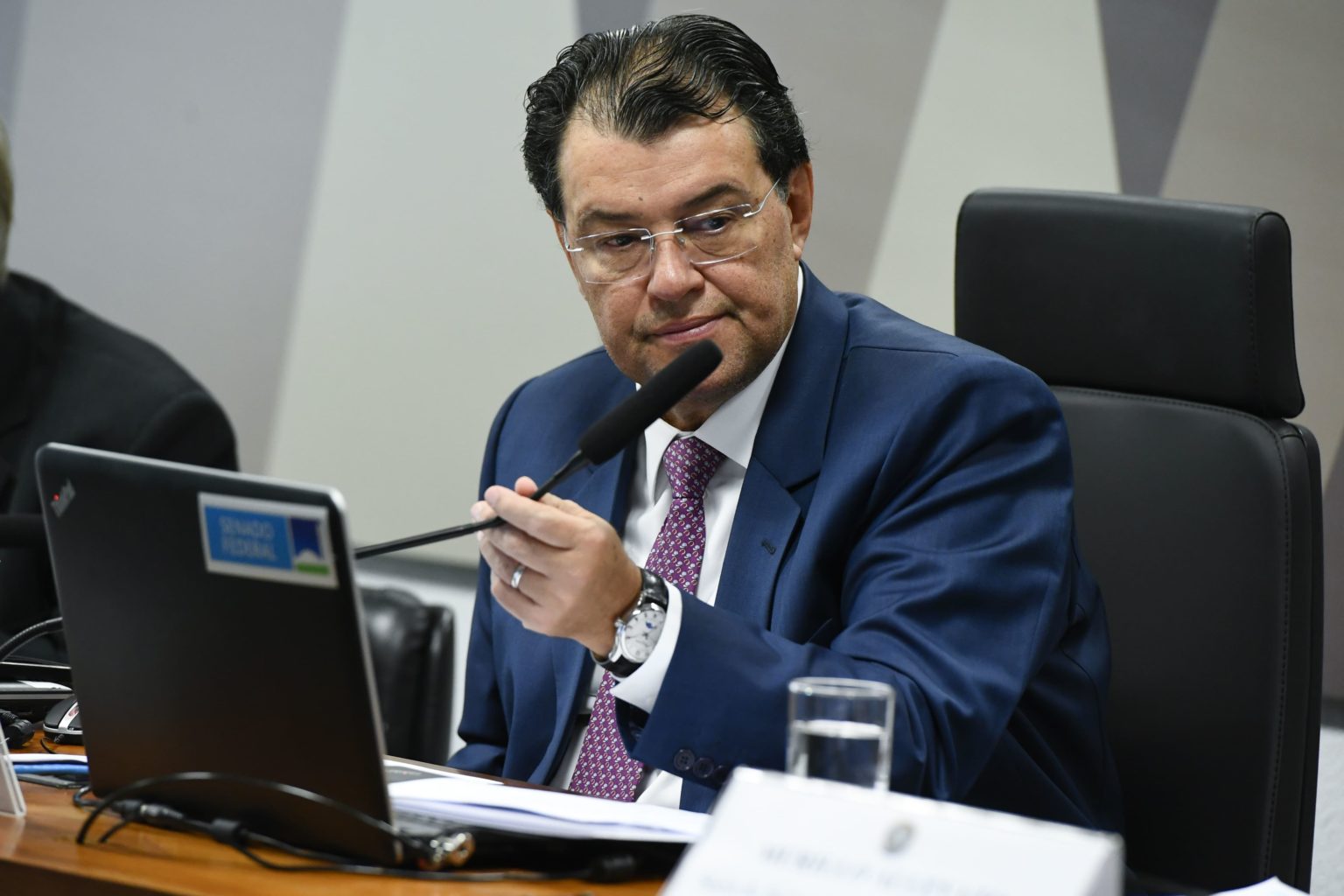
In Brasília, an audacious proposal for tax reform presented by Eduardo Braga (MDB/AM) on October 25 has stood out. The document proposes a selective tax on the production of minerals, oil, and natural gas, right after the ANP director predicts an increase in production of these commodities by 2025.
Establishing a maximum rate of 1% aimed at the extraction of non-renewable resources, the proposal also offers exemptions for other sectors, such as electricity and communications.
Additionally, the new tax structure includes benefits for low-income consumers, allowing discounts on electricity bill taxes. This measure aligns with current practices related to ICMS, a progressive tax.
-
A city with 8,000 inhabitants will receive R$ 25 billion to host the largest single-stage pulp mill in the world, with a production of 3.5 million tons per year and a cost of R$ 45 million.

-
He left India for Oman in 1976, entered through the door of luxury finishes, and took Sobha to the premium real estate market in the Middle East.

-
China wants to impress the world once again with a mega canal featuring giant locks, deep waters, and space for the largest ships, in a project aimed at shortening journeys, reducing queues, and rivaling the Panama Canal in global trade.

-
Brazil saved US$ 32.4 billion in 2025 by switching from fossil to renewable energy and only ranked behind China and the United States on the IRENA global podium.



Objectives of the Reform
The reform primarily aims to limit activities that may be harmful to the environment. The imposition of taxes on extraction activities seeks to curb the rampant use of non-renewable resources, regardless of whether they are destined for the domestic or foreign market.
In broader terms, the reform aims to simplify the tax system by unifying various federal and state taxes into two new value-added taxes (VAT). This new selective tax will replace the IPI, playing a role in market regulation and helping to increase revenue for states and municipalities.
Challenges and Criticisms of the Proposal
Within the Constitution and Justice Commission (CCJ), there are discussions regarding the implementation of a rate of up to 1% on commodities. The proposed collection method is based on the specific value of the quantity of the extracted product, without considering sales revenue. If approved, this collection structure will require detailed regulation by the National Congress.
Another notable point is the growing list of proposed exemptions. While sectors like agribusiness benefit from substantial discounts, critics argue that the tax burden on oil and gas could result in inflationary pressures, impacting fuel prices. Roberto Ardenghy, president of IBP, expressed concerns about the new taxation, mentioning potential adverse effects on the productive sector.
The debate on the constitutional text is also heated. There is uncertainty about whether the proposal will actually be approved, given the complexity and potential impacts on various sectors of the economy.
In conclusion, the proposal presented by Eduardo Braga brings a series of changes that could reshape the Brazilian tax system, influencing the production and commercialization of key commodities like oil and minerals. The future of this reform depends on extensive debates and analyses in the Federal Senate.
Information via EPBR.